
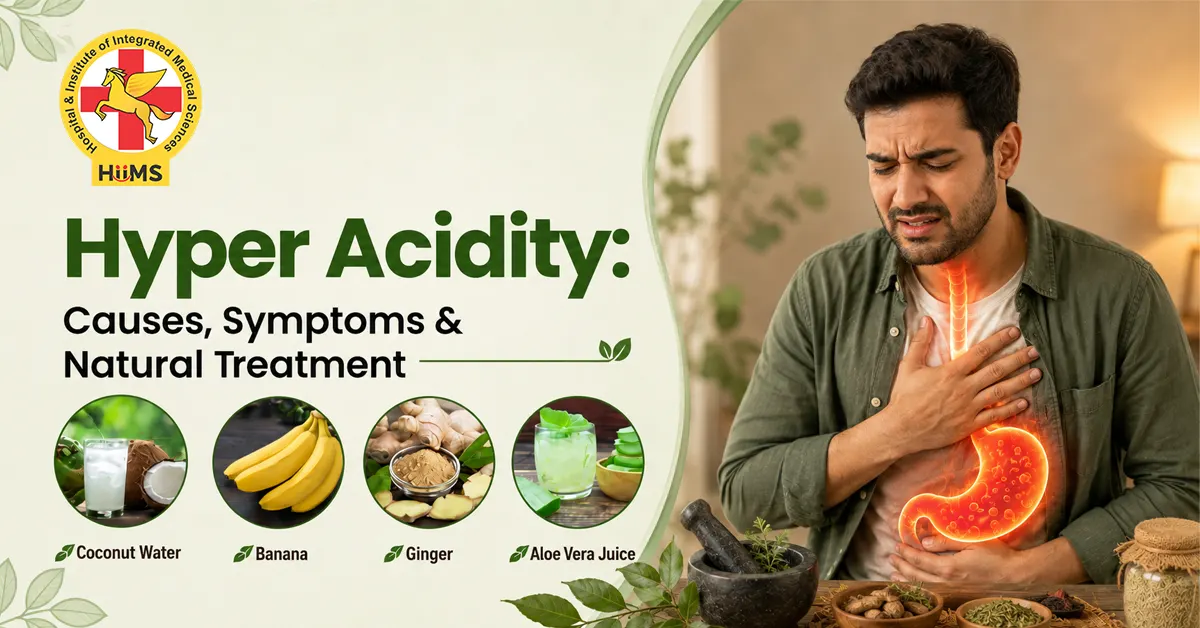

One late dinner, too much spicy food, several cups of tea or coffee, and a stressful day can leave you with a burning feeling in the chest or an uncomfortable sour taste in your mouth. It is seen by many individuals as a common symptom of a hectic life. However, if this pain becomes persistent, it would be advisable to review one’s daily practices.
Acidity or hyper acidity is the term generally associated with a burning sensation in the chest area, sour belching and other symptoms of acid reflux. The condition could get exacerbated due to overeating, consumption of trigger foods and post-meal lying down.
What Are the Common Hyper Acidity Causes?
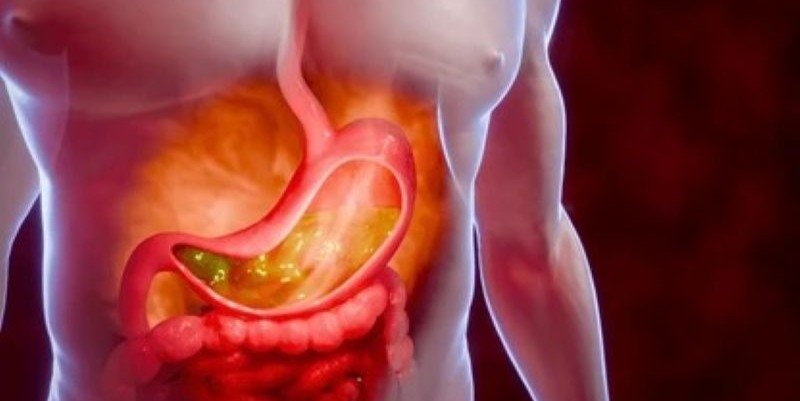
Your eating pattern and daily routine can have a major influence on acidity symptoms. Common hyper acidity causes include:
- Irregular Eating Habits: Skipping meals, eating very large portions, rushing through meals, or having dinner very late can make digestive discomfort more likely.
- Spicy, Fried, or Trigger Foods: Foods that are spicy or high in fats can aggravate the condition in some individuals. Other foods, such as coffee, chocolate, alcohol, acidic foods, tomatoes, etc., could serve as triggers for some individuals.
- Stress and Poor Sleep: Stress can make the digestive symptoms more uncomfortable, while lack of consistency in sleeping habits can influence healthy eating and meal times.
- Smoking and Certain Medicines: Smoking may cause reflux, while some medications may aggravate digestion in some people.
What Are the Symptoms of Hyper Acidity?
Understanding the symptoms of hyper acidity can allow one to identify if occasional discomforts are turning into frequent problems.
One might experience:
- Burning sensation in the chest or throat area
- Sour/bitter taste in the mouth
- Sour belching or vomiting
- Bloating and nausea
- Upset in the upper part of the stomach
- Feeling heavy after having a meal.
Heartburn usually happens shortly after eating a meal, and bending or lying down can worsen it.
What Can You Do for Natural Relief?
Before taking any treatment, whenever you experience acidity, try making small adjustments in your diet which can avoid any trigger points.
- Smaller Portions & Light Meals: Eating too much in one go increases the amount of pressure on your stomach. Try eating in small portions along with taking your time while eating your food.
- Remain Standing After Having Food: Do not lie down straight after having your food. Taking two to three hours after your meals until you go to sleep can be beneficial.
- Drink Water Throughout Your Day: Drinking plenty of water is an easy thing that you can do. Do not replace your water intake with coffee and tea.
- Use Traditional Digestive Products: Jeera water, saunf, amla, and mild ginger preparation are traditionally used in India. These may work for some, but home remedies are not a substitute for curing any recurrent acidity problem.
How Can You Prevent Acidity From Coming Back?
Natural hyper acidity treatment is not only about getting temporary relief. Your daily habits also matter.
It is important that you try to eat your meals on time, avoid foods that are known to trigger the symptoms, eat less food late in the night, and keep yourself in good shape. Walking on a daily basis is also good for health. If acidity mainly bothers you at night, raising the upper part of your sleeping surface and avoiding food close to bedtime may help.
How Does Ayurveda Approach Hyper Acidity?
At Jeena Sikho HiiMS Kanpur, acidity is managed by analysing food habits, digestion processes, lifestyles and others that might cause the disorder. This includes food management, lifestyle changes, herbs and treatments, and this is all part of Ayurvedic practice in the centre.
Some of the treatment methods used in Ayurvedic therapy may include:
Aahar – Appropriate foods to take
Vihar – Lifestyle modification
Shaman – Use of herbs
Shodhan – Therapies when necessary. These should be planned according to the individual’s condition rather than followed as a fixed routine.
What Should You Avoid if You Have Acidity?
Try to notice your personal triggers instead of avoiding every food unnecessarily. Common problems include large meals, very spicy or fatty foods, excess caffeine, alcohol, smoking, late-night eating, and lying down soon after meals.
When Should You See a Doctor?
However, acidity does not always have to be treated in your house. Consult a medical expert when the following signs continue even after trying out modifications in your lifestyle: recurring symptoms of acidity, difficulty in swallowing, constant vomiting, unexpected weight loss, loss of appetite, black stool, vomiting of blood, and continuous chest pain. It is important to take chest pain seriously since it may be heart-related.
Conclusion
Management of hyper acidity begins with recognising what is causing the condition. Eating proper meals, small servings, no triggering foods for an individual, remaining upright post-meals, and having a regular schedule will go a long way in managing recurring pain. The Ayurvedic approach may also prove beneficial if selected as per one’s needs. Jeena Sikho HiiMS Kanpur offers personalized advice based on food, digestion, and lifestyle along with Ayurveda as per one’s requirements. Personalised advice can be taken via book an appointment.

FAQs
Q1. What would be the right approach to tackle hyper acidity through natural resources?
Ans. It would be to follow the right diet plan, consume in small amounts, avoid personal triggers, stand up post meals, and develop healthy lifestyle practices.
Q2. Does drinking jeera water help treat acidity?
Ans. Jeera water is used as a remedy for digestion, but it can be taken as a home remedy rather than an effective remedy for all types of acidity.
Q3. How do I avoid hyper acidity at night time?
Ans. Do not take late or large meals and wait for around two to three hours before going to bed. Finding the cause of the symptoms is also helpful.
Q4. Does stress lead to acidity?
Ans. In certain conditions, stress can aggravate the problem of acid indigestion. A regular sleep pattern and routine will certainly prove useful.
Q5. Is acidity a common condition?
Ans. It is common to have heartburn occasionally, but it should not be a frequent occurrence.