

Heart disease has become a matter of concern for people belonging to different age groups. Our busy way of living, irregular food habits, less physical activity, daily stress and poor sleep can affect the health of the heart over time. Conditions such as high blood pressure, high blood sugar, high cholesterol and excess body weight may also raise the risk of heart-related problems. The World Health Organisation considers unhealthy food habits, tobacco use, physical inactivity and harmful alcohol use among the important risk factors for cardiovascular disease.
When people search for heart disease treatment in Kanpur at Jeena Sikho HiiMS, they usually want to know about its symptoms, possible causes and natural ways to care for the heart.
Ayurveda looks at heart health in a wider way. It gives attention to food, digestion, daily routine, mental wellbeing, and the general balance of the body. Instead of looking at only one symptom, it gives importance to improving everyday habits and bringing some healthy changes into the daily routine.
Even so, heart-related problems should never be ignored. If a person often feels chest discomfort, has trouble breathing or feels unusually tired, an early health check is important. The care plan should be decided after understanding the person’s health condition properly.
What Is Heart Disease?
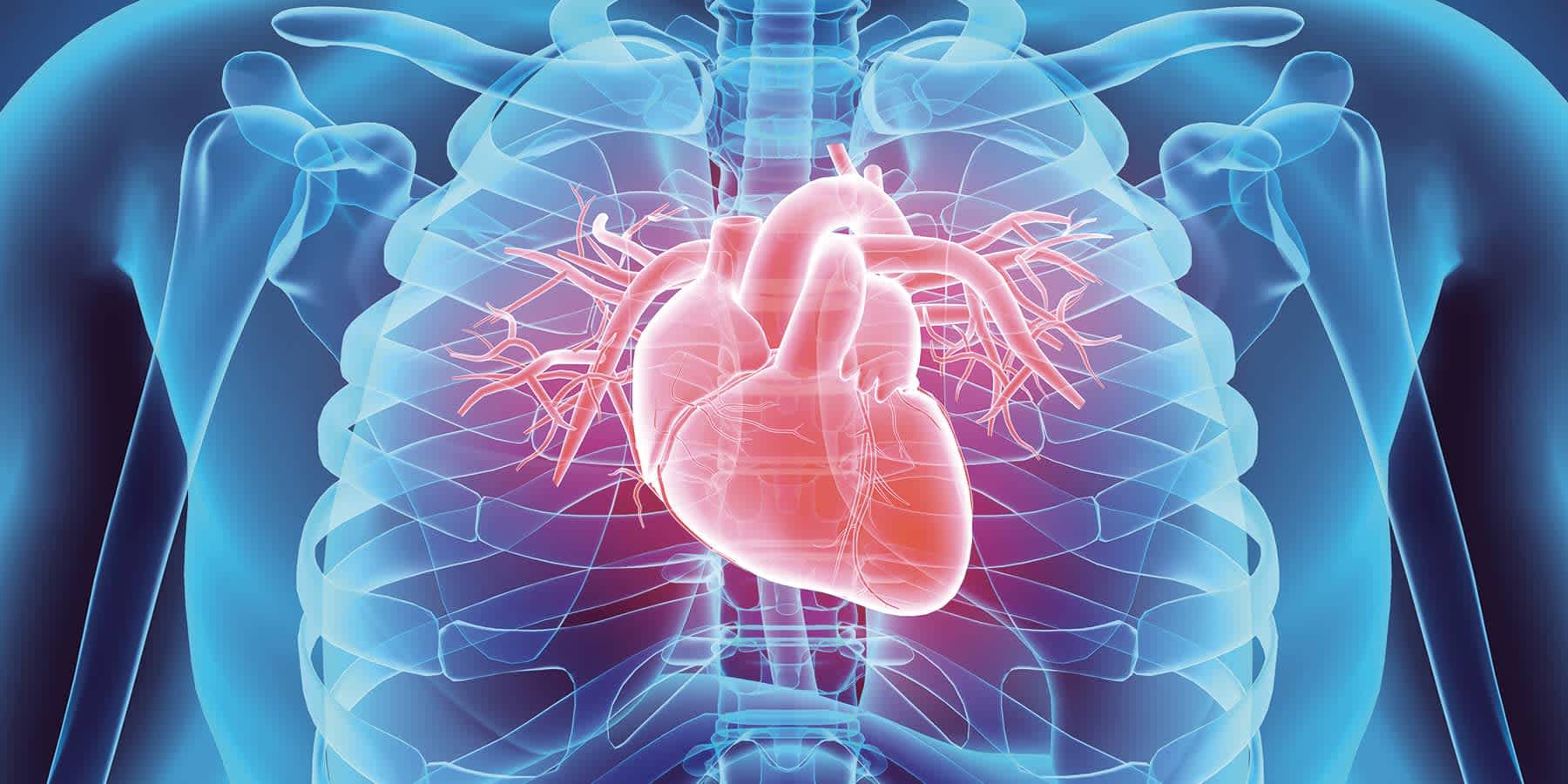
The term heart disease is used for several conditions that can affect the normal working of the heart and blood vessels. It may be related to the vessels supplying blood to the heart, the heartbeat, the valves, or the muscles of the heart.
In some cases, fatty deposits can build up inside blood vessels and affect normal blood flow. High blood pressure, diabetes, and unhealthy cholesterol levels may add to the risk. Some heart conditions may develop slowly without clear warning signs, which makes regular health checks useful.
Common Symptoms of Heart Disease
The symptoms are not exactly the same for everyone. Some people may notice mild changes for a long time, while others may suddenly develop the serious symptoms.
Common signs may include,
- Chest pain, pressure or discomfort
- Shortness of breath
- Unusual tiredness
- Dizziness or feeling faint
- Fast or irregular heartbeat
- Pain or discomfort spreading towards the arm, shoulder, back, jaw or neck
- Swelling in the legs or feet in some heart conditions
The heart disease causes and symptoms can differ from one person to another. The absence of symptoms also does not always mean that the heart is completely healthy. Some blood vessel problems can remain unnoticed until a serious event occurs.
If there is sudden severe chest pain, serious breathing difficulty, fainting, or other signs of a possible heart attack, immediate health care is necessary.
What Causes Heart Disease?
Heart disease usually does not develop because of one single reason. Several factors may work together over a period of time.
Some common risk factors include:
- High blood pressure
- High blood sugar or diabetes
- High cholesterol
- Smoking and tobacco use
- Lack of physical activity
- Excess body weight
- Regular intake of unhealthy or highly processed foods
- Excessive alcohol use
- Long-term stress
- Poor sleep
- Family history and increasing age
The World Health Organization also notes that raised blood pressure, blood glucose, blood lipids, and overweight or obesity can occur along with the behavioural factors that increase cardiovascular risk.
Ayurvedic Approach to Heart Health
Ayurveda gives importance to the relationship between the heart, digestion, mental wellbeing and daily routine. At Jeena Sikho HiiMS, an Ayurvedic heart hospital in Kanpur, the approach focuses on healthy eating, better lifestyle habits and selected traditional therapies or herbal support according to the individual’s health needs.
An Ayurvedic care plan may include:
- A simple and balanced diet
- Better meal timings
- Regular physical movement
- Yoga and breathing practices
- Relaxation and meditation
- Weight management
- Herbal support where considered suitable
- Traditional Ayurvedic therapies after proper assessment
The purpose is to encourage healthier habits and support general heart wellbeing rather than treating every person in exactly the same way.
Ayurvedic Approach to Heart Disease Treatment in Kanpur at Jeena Sikho HiiMS
Ayurveda includes several traditional therapies that may be considered according to a person’s health condition. After a proper assessment, these therapies may form part of heart disease treatment in Kanpur at Jeena Sikho HiiMS.
Hridya Basti
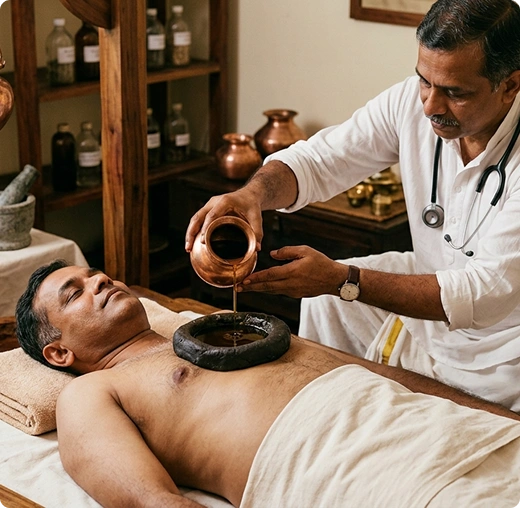
Hridya Basti is a traditional therapy in which warm herbal oil is placed over the chest area for a specific period. It may be included in supportive Ayurvedic care when suitable.
Panchakarma

Panchakarma includes a group of traditional Ayurvedic procedures planned according to individual health needs. Its suitability is decided by a qualified practitioner after proper assessment.
Abhyanga and Swedana

Abhyanga is a traditional Ayurvedic oil massage, while Swedana involves a sweating or the steam procedure. Both are commonly used to support relaxation and general wellbeing.
Herbal Support
Herbs such as Arjuna, Ashwagandha and Guggul have been traditionally used in Ayurveda. Their use should be decided by a qualified practitioner based on the person’s health condition.
Heart Care Through Food and Daily Routine
Food has an important place in Ayurvedic thinking. A heart-friendly routine does not have to be complicated. Simple food prepared at home is often easier to maintain than a very strict diet.
Useful habits may include:
- Eating more fresh vegetables and seasonal fruits
- Including suitable whole grains, nuts and seeds
- Reducing very salty foods
- Limiting deep-fried and highly processed foods
- Avoiding frequent sugary drinks
- Drinking enough water according to individual needs
- Eating meals at reasonably regular times
- Avoiding overeating
Regular physical activity is also important. The World Health Organization recommends physical activity, a healthy diet, stopping tobacco use, and reducing harmful alcohol use as important measures for lowering cardiovascular risk.
Natural Heart Care and Lifestyle Changes
Yoga, gentle exercise, breathing practices, and meditation may help a person maintain a calmer routine. Proper sleep is equally important because a tired body often finds it harder to maintain a healthy daily rhythm.
At Jeena Sikho HiiMS Kanpur, Ayurvedic guidance can focus on understanding the individual’s health condition and building a suitable lifestyle-based care plan. The same principle is important for anyone looking for natural heart care Kanpur, because heart health needs individual attention rather than a common remedy for everyone.
Conclusion
Heart health needs attention from an early stage. Food, physical activity, sleep, stress management and regular health checks can all become part of a healthier routine. Ayurveda offers a traditional approach that gives importance to daily habits, digestion, mental calmness and individual care.
For people exploring heart disease treatment in Kanpur at Jeena Sikho HiiMS, the first step should be to understand their health condition properly before choosing any therapy. Ayurvedic guidance is planned according to the individual’s health needs and overall condition. Book an Appointment today for more details at:

FAQs
Q1. What are the common symptoms of heart disease?
Ans. Common symptoms include chest discomfort, shortness of breath, tiredness, dizziness, and irregular heartbeat.
Q2. Can heart disease develop without symptoms?
Ans. Yes, some heart conditions may develop gradually without noticeable symptoms.
Q3. Can Ayurveda support heart health?
Ans. Ayurveda may support heart wellness through suitable food, lifestyle changes, traditional therapies, and herbal guidance.
Q4. What foods are good for heart health?
Ans. Fresh vegetables, fruits, whole grains, nuts, seeds, and balanced home-cooked meals can support a heart-healthy diet.
Q5. Is weight management important for heart health?
Ans. Maintaining a healthy body weight can support overall cardiovascular wellness.