

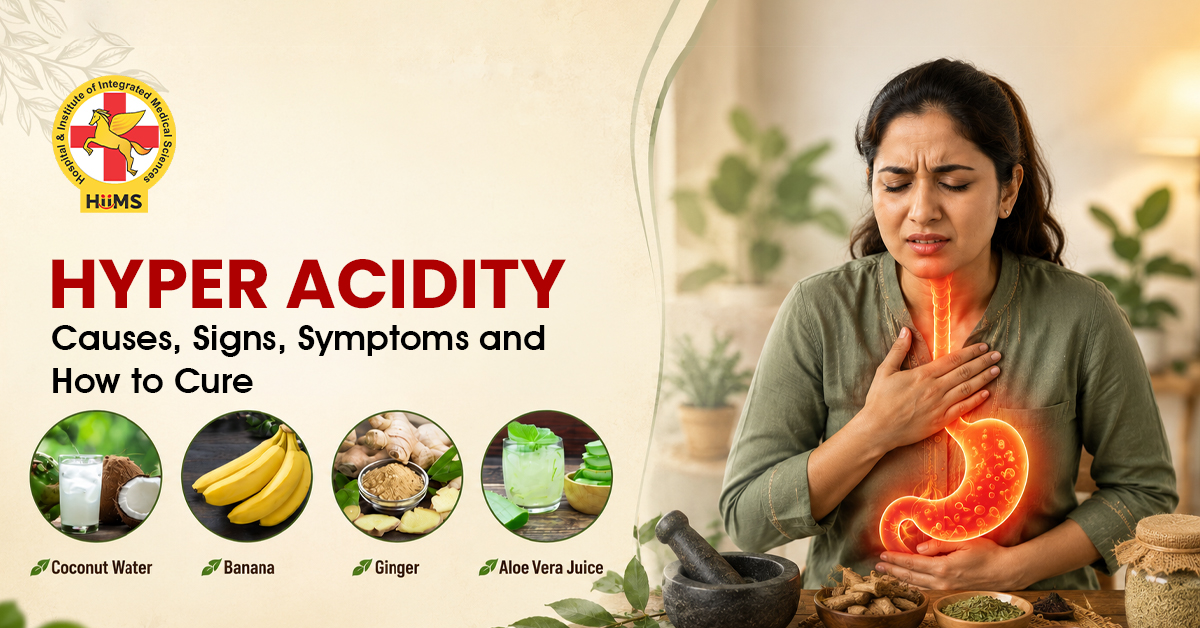
The human stomach is designed to process food, absorb essential vitamins and protect the body from harmful bacteria. To do this it needs to be at a precise pH. When this delicate balance is disturbed, hyper acidity occurs. This happens when the gastric glands produce far more hydrochloric acid than necessary, irritating the sensitive stomach lining and frequently pushing digestive fluids upward into the food pipe.
Understanding the biological mechanisms behind excess acid production is the true first step toward long-term recovery.
This blog helps you understand what hyper acidity actually is, explore the everyday dietary and lifestyle habits that trigger acid spikes, highlight key symptoms and examine how Ayurvedic principles offer sustainable solutions for gut wellness.
What is Hyper Acidity?
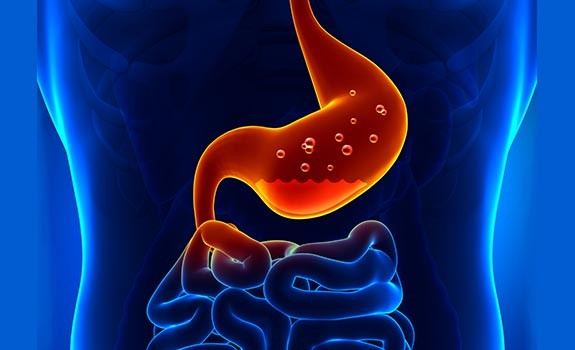
Your digestive tract naturally produces hydrochloric acid to break down complex food, absorb vital nutrients, and destroy harmful bacteria that enter through what you eat.
Normally a protective layer of mucus shields your stomach walls from this strong fluid. However, hyper acidity occurs when the gastric glands produce far more acid than your stomach needs.
When this excess fluid accumulates, it irritates the delicate stomach lining. If the pressure builds up, the fluid pushes through the small lower valve of your food pipe, causing what is commonly known as acid reflux.
What Causes Hyper Acidity?
Your stomach doesn’t overproduce acid without a reason. Daily habits, stress, and food choices play a massive role in triggering acid spikes.
- Unhealthy Eating Patterns – Frequently eating deep-fried items, heavy junk food, excessively spicy food, and processed snacks affects your stomach. Skipping meals or eating at irregular times also confuses your digestive cycle.
- Lifestyle Stress – Your brain and gut are directly connected. High mental pressure and anxiety slow down your intestinal movement causing food to sit in your stomach longer and triggering extra acid release.
- Habits & Stimulants – Overconsuming strong black tea, coffee, alcohol, or smoking, especially on an empty stomach, directly irritates the stomach lining.
- Late Dinners & Immediate Sleep – Eating heavy late-night meals and lying down right away makes it easy for gravity to push active gastric juices up into your food pipe.
Recognising the Early Symptoms
Catching acidity early allows you to address it before it causes long term inflammation or ulcers.
Pay close attention if you regularly notice these common symptoms of acid reflux and internal gastric distress:
- A persistent burning sensation in your chest, throat, or upper abdomen
- Frequent sour, bitter, or acidic belching after eating
- Feeling uncomfortably full, bloated, or nauseous shortly after meals
- An unexplained dry cough or morning throat irritation caused by night-time acid rise
- A feeling of a tight fullness or mild pain while swallowing food
Simple Home Remedies for Daily Relief
If you are experiencing mild discomfort, simple kitchen ingredients and daily habit tweaks can provide gentle, natural relief without disrupting your gut biology.
- Cooling Drinks – Sipping fresh coconut water or cold milk provides immediate soothing relief to an inflamed stomach lining. Sweet homemade buttermilk mixed with a pinch of roasted cumin powder is also wonderful for neutralising excess heat after lunch.
- Fennel and Carom Seeds – Consuming one teaspoon of raw fennel seeds (Saunf) or carom seeds (Ajwain) after your meal aids in smooth digestion, reduces gas and helps to avoid bloating.
- Herbal Infusions – Use fresh ginger slices or liquorice root in warm water, and drink as a soothing home remedy for heartburn that gently relaxes stomach spasms and reduces irritation.
- Mindful Lifestyle Habits – Focus on eating smaller, more frequent meals instead of two big meals. Do not lie down flat on your back right after having dinner. A short 15 minutes walk after you eat will help in smooth digestion.
Ayurvedic Treatment and Integrated Care at HiiMS Kanpur
While home remedies are great for daily management but overcoming chronic digestive issues requires a root cause approach. Knowing how to cure acid reflux long-term means removing accumulated toxins and restoring the natural strength of your stomach lining.
At Jeena Sikho HiiMS Kanpur patient care focuses on holistic, integrative healing through four pillars.
- Panchakarma Detox

It is an Ayurvedic cleansing therapy like Virechana help flush accumulated Pitta heat and toxins out of the gastrointestinal tract. This cleanses the liver, gallbladder, and stomach lining, allowing natural tissue repair to begin.
- pH-Balanced Diet
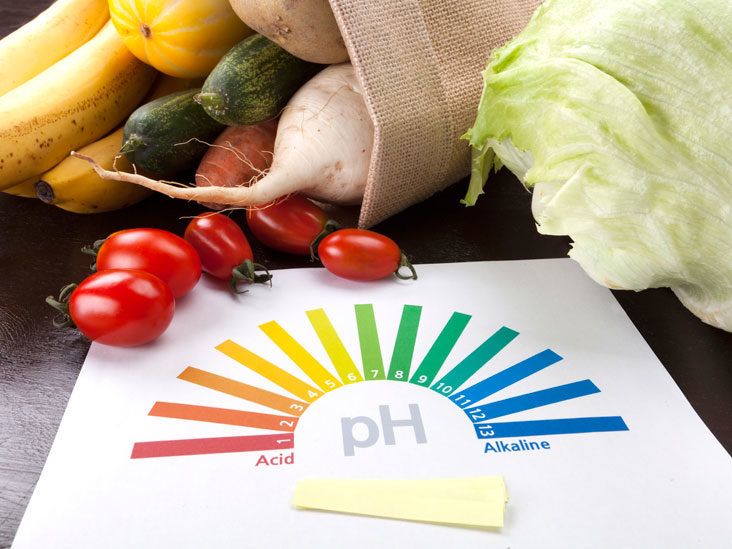
The treatment focuses on alkaline, cooling and whole food diet. It includes green leafy vegetables and fresh fruits which help neutralise the stomach acidity. Doctors design customised meal schedules based on your body constitution (Prakriti) to ensure your food naturally neutralises excess acid.
- Lifestyle Changes

Practicing gentle yoga (Vajrasana, Pawanmuktasana) and pranayama (Sheetali and Sheetkari Pranayama) help regulate the autonomic nervous system, reduce stress induced acid spikes, and keep gut movement steady.
- Herbal Support

Ayurvedic herbs like Amla, Shatavari and Yashtimadhu work together to heal inflammation on the stomach lining, balance acid levels, and improve nutrient absorption.
Through an Ayurvedic treatment plan Jeena Sikho HiiMS Kanpur empowers individuals to break free from continuous medication and achieve long-term gut health.
Conclusion
Living with constant hyperacidity is exhausting but relying indefinitely on antacids isn’t the answer. Real, lasting relief comes from listening to the signals your body is sending you, cooling internal heat with wholesome food, and fixing the root causes of digestive distress.
You can easily regain your stomach’s health and your daily comfort with simple mindful daily habits and naturally supporting gut.
If you are suffering from the symptoms of hyperacidity, taking a professional guidance can help. The medical team at Jeena Sikho HiiMS Kanpur provides personalised Ayurvedic consultations to help you heal from within. Book an appointment today.

FAQs
Q1. Can hyperacidity cause chest pain?
Ans. Yes. It can cause a sharp burning sensation in your chest that often feels like heartburn.
Q2. Is cold milk helpful for quick acidity relief?
Ans. Cold milk can temporarily soothe the stomach burning but drinking too much can actually trigger more acid production later.
Q3. Does stress make hyperacidity worse?
Ans. Absolutely, high stress directly slows down your digestion and promotes your stomach to produce excess acid.
Q4. Why do antacids stop working after a while?
Ans. Antacids only neutralise current acid without fixing the underlying digestive imbalance so the stomach keeps overproducing acid.
Q5. What is the best time to drink water to avoid acidity?
Ans. Drink room temperature water throughout the day but avoid drinking large amounts of water during meals.