
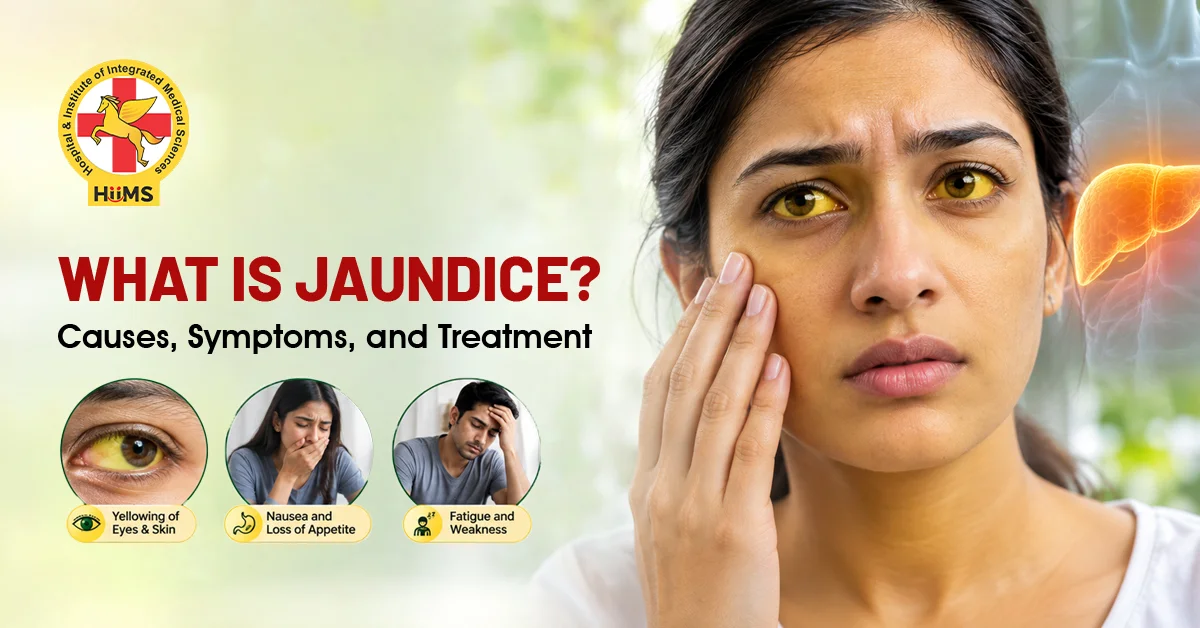
The skin and eyes may develop a yellow shade when a person has jaundice. This is generally because bilirubin, formed from the breakdown of old red blood cells, starts collecting in the blood. The liver normally processes bilirubin and helps the body get rid of it through bile. If there is some problem with this process, bilirubin may build up in the blood. This can then give the skin and eyes a yellow appearance.
Many people first notice jaundice by looking at their eyes. However, it is not a disease that has only one cause. Liver problems, infections, blockage of bile ducts, certain blood conditions and some medicines can be linked with it.
So, what is jaundice exactly, and why does it happen? Understanding the reason behind it is important because the right care depends on the underlying cause. Along with the proper healthcare guidance, a simple diet, enough rest, and a healthy daily routine may support the body while it recovers.
What Is Jaundice?
The old red blood cells break down naturally in the body and bilirubin is formed during this process. The liver usually takes care of bilirubin and helps remove it through bile. When the liver cannot process it normally, its level may rise in the blood.
A high level of bilirubin can make the skin and eyes look yellow. The yellow colour is often more visible in the whites of the eyes. Urine may become darker, while stools may appear unusually pale.
For this reason, jaundice should not be taken lightly. Proper jaundice diagnosis can help understand what may be causing the condition and whether any part of the body is not working as it should.
Understanding the Causes of Jaundice
Jaundice does not have one particular cause. It may appear when there is a problem with the liver, blood or bile flow. The jaundice causes that are seen more often include,
- Liver infections such as hepatitis
- Liver conditions
- Gallstones or a blockage in the bile ducts
- Breakdown of red blood cells at a faster rate
- Some blood disorders
- Certain medicines and substances
- Conditions affecting the pancreas
Bilirubin normally passes out of the body with the help of the liver and bile. When this process is disturbed, bilirubin can remain in the blood and cause yellowing of the eyes and skin. The cause may be different in every person, which is why proper evaluation is needed.
Common Symptoms of Jaundice
Yellowing of the skin and eyes is usually the first thing people notice. Still, jaundice can bring some other changes in the body too. Some common jaundice symptoms are,
- Yellow eyes and skin
- Urine may become dark yellow or brown
- Pale or clay-coloured stools
- Skin itching
- Feeling tired or weak
- Reduced appetite
- Nausea or vomiting
- Pain or discomfort in the upper part of the abdomen
- Fever in some cases
A person may not have all these signs of jaundice at the same time. Sometimes, a liver problem can also be present without showing clear symptoms in the early stage.
How Does Ayurveda Describe Jaundice?
In Ayurveda, jaundice is described as Kamala and is mainly linked with an imbalance in Pitta dosha. Ayurveda gives importance to digestion, liver function, food habits and daily routine while understanding this condition.
Yellow eyes and skin, dark urine, tiredness and reduced appetite are some changes that may be seen. Ayurvedic care can include proper food, a healthy routine and the suitable supportive therapies as per the person’s prakriti and condition.
Jaundice may develop due to different reasons, so the cause should be checked before choosing any care.
Natural and Holistic Approach for Jaundice Treatment
A natural and holistic approach gives attention to food, digestion, rest and daily habits along with the person’s overall condition. Light and freshly prepared meals, enough fluids and proper rest may support the body during recovery.
At Jeena Sikho HiiMS Jodhpur, the Ayurvedic approach may include changes in the food, daily habits and suitable supportive therapies. These are considered according to the person’s prakriti and health condition. Before starting any jaundice treatment, the possible cause of jaundice needs to be understood properly.
Simple Food and Lifestyle Tips for Jaundice
During jaundice, simple food and proper rest can help the body manage weakness. A few basic habits may be useful:
- Eat fresh and lightly cooked food
- Take small meals if appetite is low
- Drink enough fluids as advised
- Choose suitable seasonal fruits
- Avoid alcohol, fried and processed foods
- Take enough rest
- Avoid taking medicines or herbal products without proper guidance
As part of jaundice prevention, self-medication should be avoided, as some medicines and herbal products may affect the liver.
When Should You Seek Guidance for Jaundice?
It is better to seek guidance if you notice some changes in your body, such as,
- The eyes or skin start looking yellow
- Urine becomes darker than usual or the stools look pale
- You feel like vomiting often or do not feel like eating
- Fever, weakness or discomfort in the stomach is present
- The yellow colour does not go away and becomes more visible
Getting advice early helps you understand the problem and choose suitable food and daily habits.
Conclusion
Jaundice is a condition that should not be taken lightly, especially when the eyes or skin start turning yellow. If you are wondering what is jaundice, it is a condition in which bilirubin rises in the body and causes this yellowish colour. The rise of bilirubin may happen for different reasons, such as changes in liver function, bile flow, infections or certain blood-related problems.
During this time, simple home-cooked food, enough rest, and a proper daily routine can be helpful. If yellowing of the eyes or skin is noticed, it is better to get the cause checked rather than depending only on home remedies. For people looking for Ayurvedic guidance, Jeena Sikho HiiMS Jodhpur can help in understanding suitable care according to the individual condition.

FAQs
1. Is jaundice a disease or a symptom?
Jaundice is a symptom that indicates an underlying issue with the liver, bile flow, or blood.
2. Can jaundice occur in adults as well as newborns?
Yes, jaundice can affect people of any age, though the causes may differ between newborns and adults.
3. Is jaundice always related to liver problems?
Not always. It can also result from bile duct blockages, blood disorders, or certain infections.
4. Is jaundice contagious?
Jaundice itself isn’t contagious, but some underlying causes, like certain hepatitis infections, can be.
5. Can certain medicines cause jaundice?
Yes, some medicines and substances can affect liver function and contribute to jaundice.