
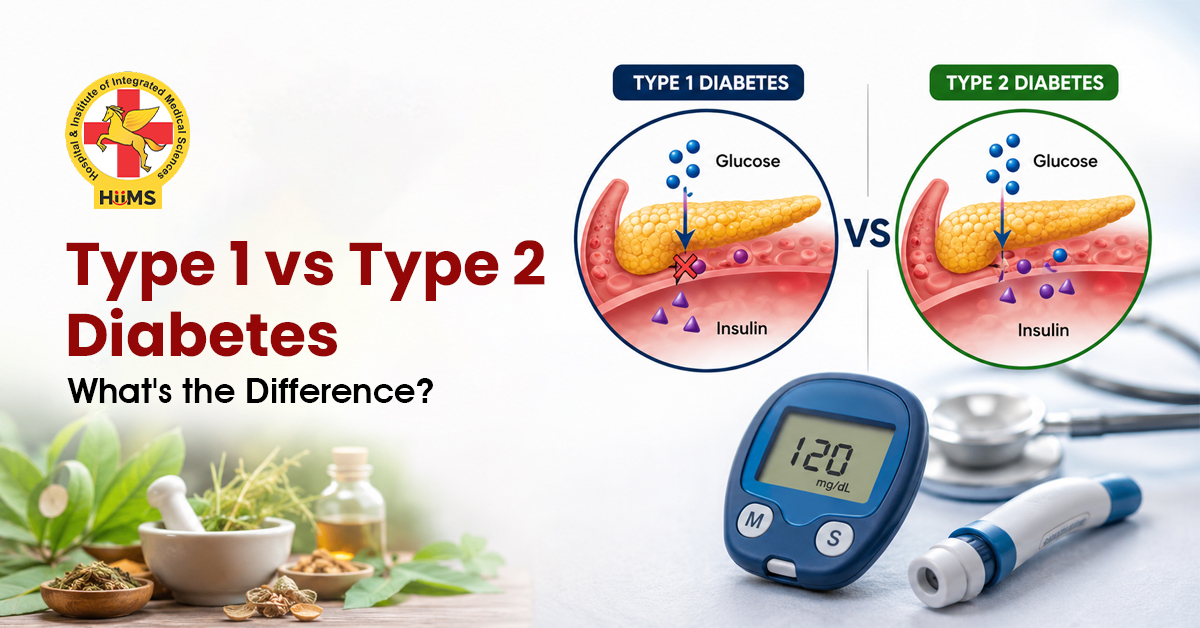
When a doctor mentions diabetes, it is easy to assume it is just one single disease. But it doesn’t work that way. Type 1 vs Type 2 diabetes diabetes are two different medical conditions, although both affect blood sugar levels.To understand the real difference, you have to look at insulin. It’s a hormone your pancreas makes that acts like a tiny key.
Its job is to unlock your body’s cells so glucose can slip inside and give you energy. When you live with diabetes, this basic key system fails to work. Let’s look at these different types of diabetes so you can tell them apart without getting confused by medical jargon.
Diabetes Types Explained: The Quick Breakdown
Instead of digging through medical textbooks, we can look at the core differences directly. It mostly comes down to whether your body is unable to produce insulin or whether your body’s cells do not respond to insulin properly. Here is a short table showing how they stack up:
| Feature | Type 1 Diabetes | Type 2 Diabetes |
| Main Issue | The body stops making insulin completely. | The body makes insulin, but cells ignore it. |
| Root Cause | An autoimmune reaction. | Lifestyle, age, and genetics. |
| How Fast It Starts | Appears quickly over a few weeks. | Develops slowly over many years. |
| Primary Treatment | Daily insulin injections are mandatory. | Diet, exercise, pills, and sometimes insulin. |
Diving into Type 1 Diabetes Causes vs Type 2 Diabetes Causes
The reason you have to treat these conditions so differently is that their starting points are miles apart.
Type 1 Diabetes Causes
This one is an autoimmune condition. For reasons scientists are still trying to sort out, your immune system gets confused and treats your own pancreas cells like a dangerous virus. It attacks and destroys your insulin-making cells, leaving you with zero natural supply. It isn’t caused by eating too much sugar or skipping the gym.
Type 2 Diabetes Causes
This type is a metabolic issue tied directly to insulin resistance. Your body actually produces the hormone, but your muscle and liver cells stop paying attention to it. Think of it like a sticky front door lock. You jiggle the key, but it won’t budge. Your pancreas pushes out extra insulin to fix it, but eventually, it burns out from overworking. Type 2 diabetes is associated with several factors, including genetics, excess body weight, physical inactivity, age, and ethnicity.
Spotting Type 1 vs Type 2 Diabetes Symptoms
High blood sugar causes similar trouble across the board, but the timeline is what gives it away. The shared Type 1 vs Type 2 diabetes symptoms you might experience include:
- Frequent urination, especially during the night.
- An unquenchable thirst that water doesn’t seem to fix.
- Feeling completely drained and tired because your food isn’t reaching your cells.
- Losing weight quickly without changing your diet.
- Blurry eyesight or tiny skin cuts that refuse to heal quickly.
One key difference is how symptoms develop. Type 1 diabetes often appears suddenly, while Type 2 diabetes usually develops gradually.
Finding the Right Type 1 vs Type 2 Diabetes Treatment
Because the internal breakdown is completely different, your daily routine has to match what your pancreas needs. Your actual Type 1 vs Type 2 diabetes treatment options look like this:
Insulin Replacement:
If you have Type 1, taking synthetic insulin daily via injections or a pump is mandatory to stay healthy. For Type 2, you might only need it later on if your pancreas stops producing its own supply.
Targeted Oral Medications:
Those with Type 2 typically take prescription pills on a daily basis. They help the liver to secrete less sugar, or they “wake up” stubborn cells, so they will accept insulin again.
Fixing Your Plate:
Managing your meals matters for both types. You want to fill up on lean proteins, complex carbs, and non-starchy greens to keep blood sugar spikes from happening.
Lowering Your Stress:
Mental stress floods your body with hormones that spike your glucose levels. Keeping your mind calm is just as important as watching what you eat.
Conclusion
Managing a lifelong health issue is emotionally exhausting, especially when you have to track every single meal. But sorting out the differences between Type 1 vs Type 2 diabetes puts the control back in your hands. Whether your body needs daily insulin help or you are trying to reverse insulin resistance through lifestyle shifts, having the right medical backing changes everything.
If you would like personalized guidance on managing diabetes naturally alongside medical care, you can book a VOPD consultation with the doctors at Jeena Sikho HiiMS Jodhpur. They can help you understand suitable dietary, lifestyle, and wellness approaches based on your health needs

FAQs
1) Can Type 2 diabetes eventually morph into Type 1?
No, it can’t change types. Even if someone with Type 2 needs to start taking daily insulin shots, it doesn’t mean their condition turned into Type 1.
2) Who is most likely to deal with Type 2 issues?
Your risk increases as you grow older or if you carry excess weight. Family history also plays a role.
3) Is there a permanent cure for these types of diabetes?
Right now, there isn’t a permanent cure for either type. However, Some people with Type 2 diabetes may achieve remission through significant weight loss and long-term lifestyle changes under medical supervision.
4) Why do people drop weight so fast with Type 1?
Since the body cannot use glucose for fuel without insulin, it panics and starts breaking down its own fat and muscle stores just to keep you moving.
5) Can young kids get Type 2 diabetes?
Yes, unfortunately. While it used to be an adult-only issue, changing modern diets and lower activity levels mean more teens are being diagnosed today.
References & Sources
- https://health.clevelandclinic.org/type-1-vs-type-2-diabetes
- https://www.diabetes.org.uk/diabetes-the-basics/differences-between-type-1-and-type-2-diabetes
Disclaimer: The information provided on this blog is for general educational and informational purposes only. It is not intended to replace professional medical advice, diagnosis, or treatment. Always consult a qualified healthcare professional before making any changes to your diet, lifestyle, or treatment plan. Individual results may vary.