

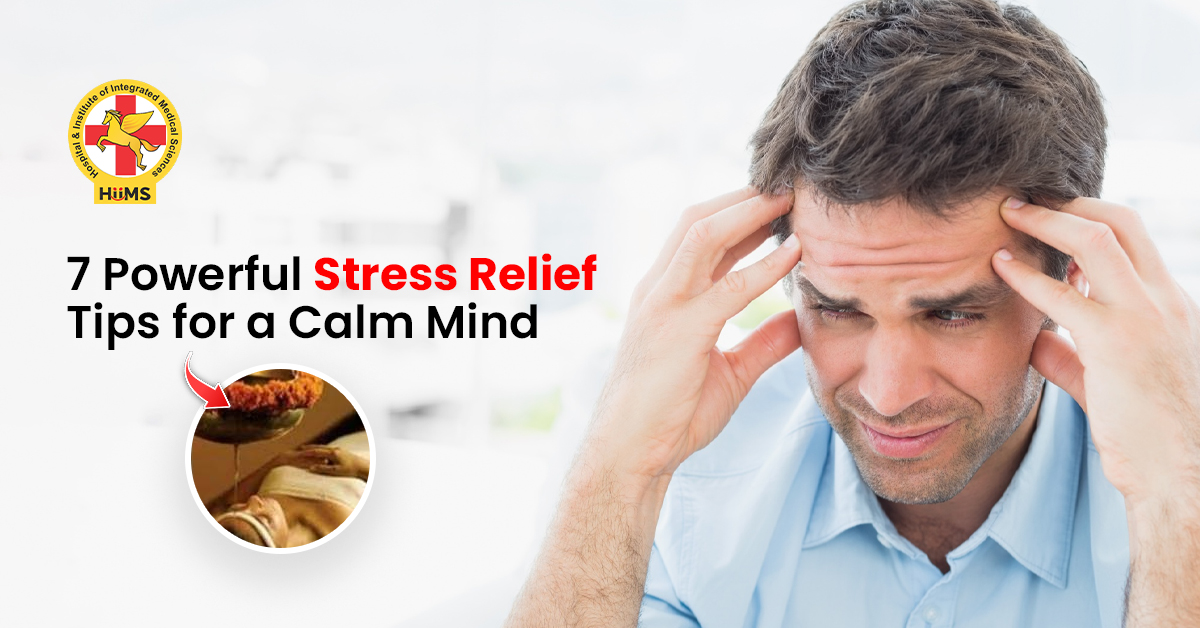
Stress has quietly become part of daily life. You wake up with a to do list, move through constant notifications, and by the end of the day your mind still feels active, almost restless. Most people accept this as normal. But it is not supposed to feel this way all the time.
Sometimes stress shows up clearly. You feel anxious, distracted, or overwhelmed. Other times it builds slowly. Poor sleep, irritation, lack of focus. You may not even connect it to stress at first. The real problem is not just stress itself, but how long it stays unaddressed. Many people keep pushing through until it starts affecting their mental and physical health. That is where small, consistent changes start to matter.
In this blog, you will find practical Stress Relief Tips that are simple, realistic, and actually doable in daily life. Not extreme routines. Just things that help your mind slow down and regain balance over time.
Why Stress Needs Attention Early
Ignoring stress does not make it go away; it only usually builds up. Over time, it can lead to:
- Constant fatigue.
- Poor sleep quality.
- Digestive issues.
- Increased anxiety.
- Difficulty concentrating.
This is why people start searching for how to reduce stress naturally instead of depending only on quick fixes. The goal is not just temporary calm but a more stable mental state.
1. Start With Your Breathing
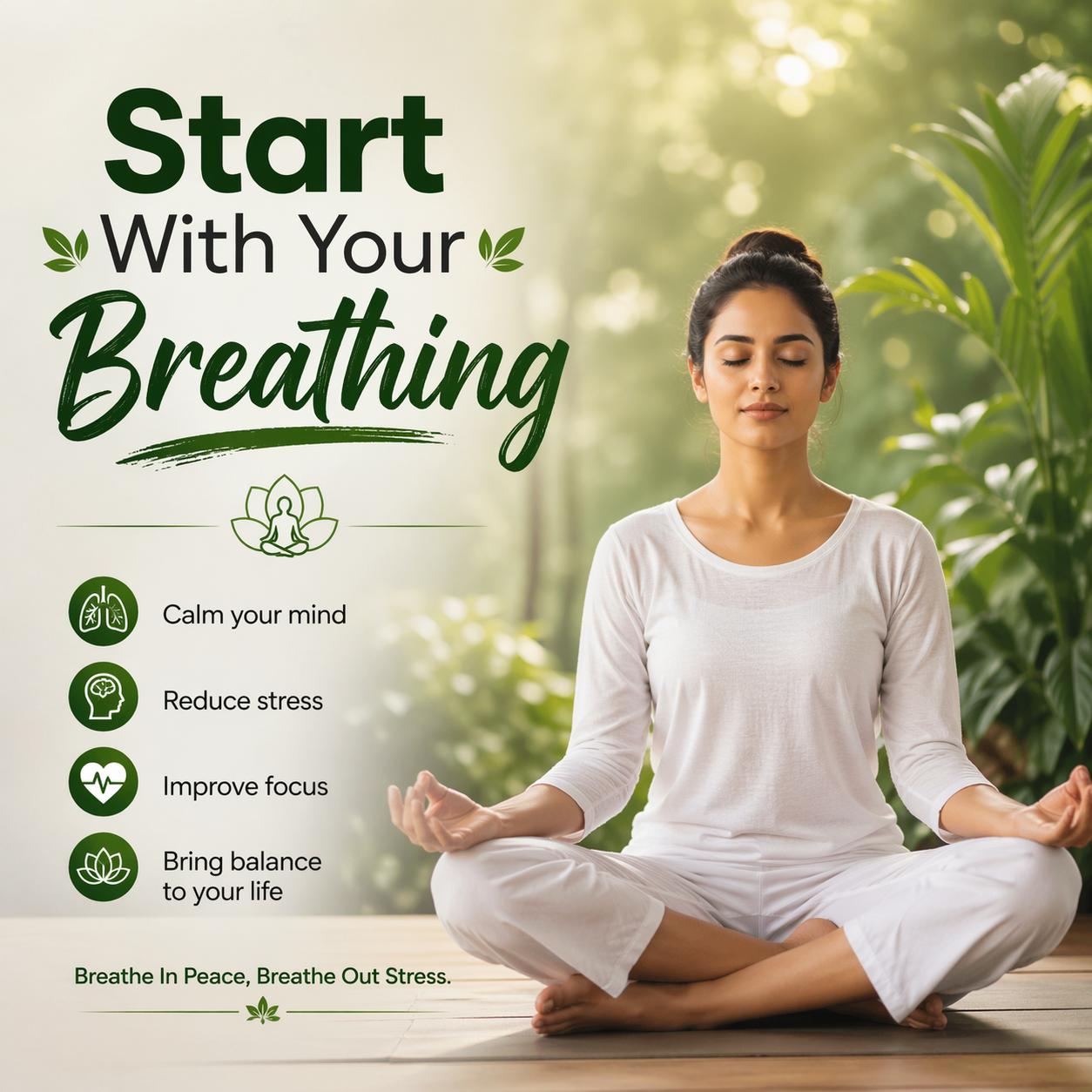
This sounds basic, but it works. When stress increases, breathing becomes shallow and fast. That signals your body to stay alert.
Try this instead: slow, deep breathing for a few minutes. Inhale slowly, hold for a moment, then exhale gently. It tells your body that it is safe to relax. This is one of the simplest Stress Relief Tips, yet most people skip it.
2. Limit Mental Overload
Too much information, too many tasks, constant scrolling. Your mind never gets a break. Take small pauses during the day. Even 10 to 15 minutes without screens can make a difference. This is not about doing nothing. It is about giving your mind space to settle.
3. Fix Your Sleep Before Anything Else
Poor sleep and stress go hand in hand as one affects the other. If your sleep is disturbed, your stress levels automatically increase the next day. Try to:
- Sleep at a fixed time.
- Avoid screens before bed.
- Keep your environment calm.
You cannot expect a calm mind without proper rest.
4. Move Your Body Daily
You do not need intense workouts. Even a simple walk helps. Exercise helps to relieve tension build-up in the body and improve mood. Exercise also improves sleep and brain function. This is one of the best approaches to stress management, which doesn’t require too much thought.
5. Be Wary of Fast Relief Techniques
Most people immediately resort to drugs and stimulants to find immediate relief from stress. Although they might be helpful in some instances, they could bring about the consequences of taking modern medicine.
This is why balancing is essential, and when the use of medicine cannot be avoided, make sure that you do not neglect other natural techniques that promote overall healing.
6. Try Basic Ayurvedic Techniques
Ayurveda considers stress as an imbalance in the body. The objective here is to help restore calm through natural means. Some techniques include:

At places like Jeena Sikho HiiMS Hospital, stress management is often approached through a root cause approach, combining lifestyle correction with natural therapies. It is not instant, but it works steadily.
7. Talk Before It Builds Up
One of the most ignored steps. People keep things inside until they become overwhelming. Talking to someone you trust, or even seeking anxiety therapy, can make a big difference. If stress reaches the level of panic or repeated episodes, proper anxiety treatment should not be delayed.
Ignoring it only makes recovery harder later.
The Bigger Picture: It Is Not Just One Fix
Most people look for one solution. One technique. One habit. But stress does not work that way. It builds from multiple areas like lifestyle, thoughts, environment, and routine. That is why recovery also needs a combination:
- Better sleep.
- Balanced routine.
- Mental breaks.
- Physical movement.
- Natural support.
This is what makes lifestyle-based recovery more stable over time.
When You Should Take It Seriously
Do not ignore stress if:
- It feels constant, not occasional.
- Sleep is regularly disturbed.
- You feel anxious without clear reason.
- It starts affecting your work or relationships.
This is the point where action becomes important.
Conclusion
Stress is common, but living in constant stress is not normal. The earlier you start paying attention, the easier it is to manage. You do not need big changes, just sometimes natural stress relief tips are very effective. Taking little steps will be sufficient to change the feeling in your mind.
Waiting until things worsen does not make sense; rather, you should start working on yourself through taking little steps. The mind cannot become calm within no time, but it is indeed possible. If you feel you need guidance, you can book an appointment at Jeena Sikho HIIMS and begin your journey towards better mental well-being.

FAQs
- What should I do during an anxiety attack?
Try to slow your breathing, stay in a calm space, and seek proper anxiety attack treatment if episodes repeat. - How to reduce stress naturally without medication?
Focus on routine, diet, movement, and calming practices like deep breathing or herbal support. - When should I consider anxiety therapy?
If stress or anxiety feels constant or starts affecting daily life, professional help can be useful. - Can stress affect physical health?
Long-term stress can impact sleep, digestion, and overall energy levels. - Are natural methods enough to manage stress?
They help in many cases, but severe conditions may still need medical guidance.
