

Dealing with rectal discomfort, itching, or painful bowel movements can feel overwhelming and uncomfortable to discuss. However, piles also known as hemorrhoids are an extremely common condition that affects millions of people at some point in their lives.
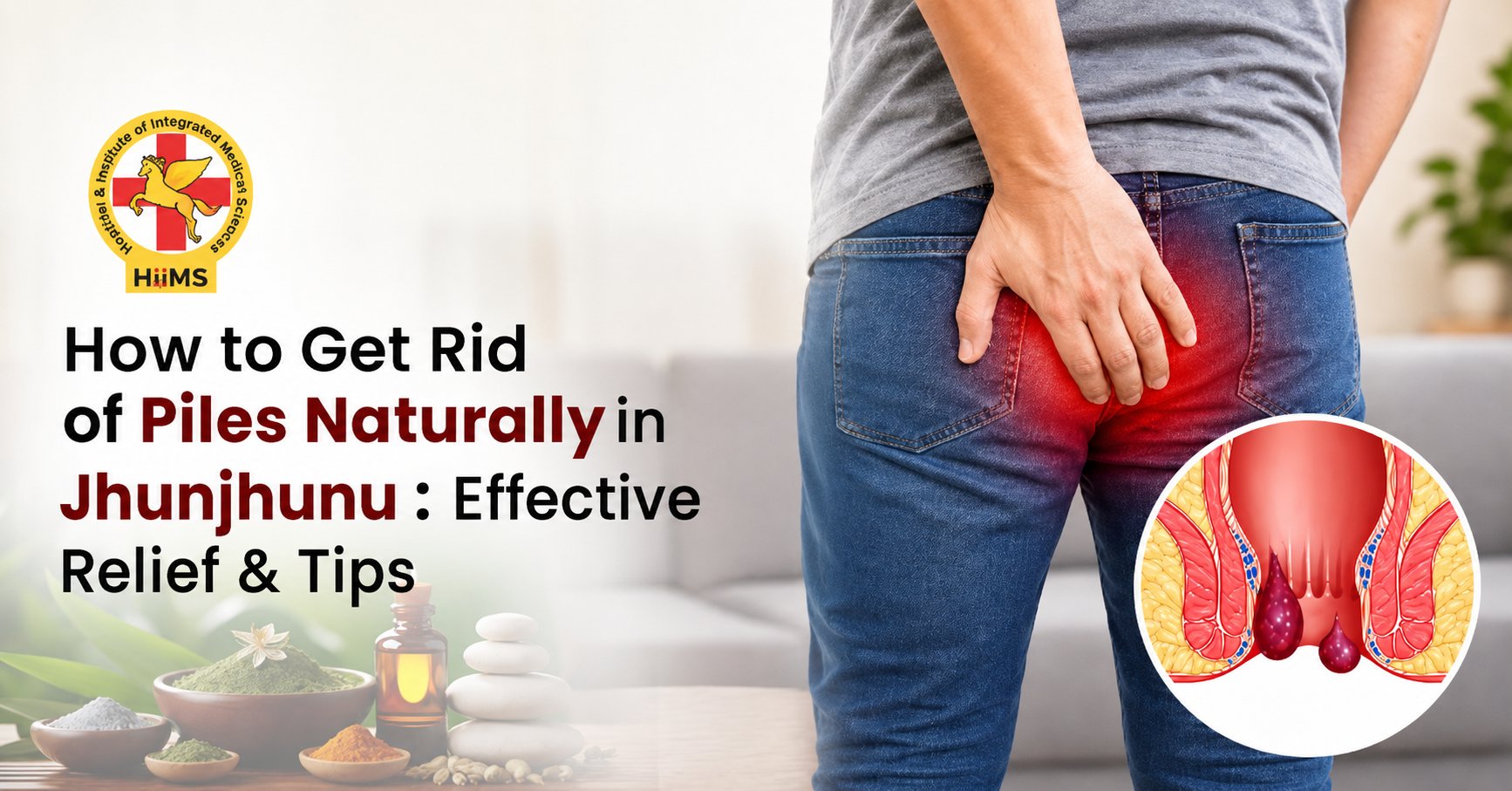
In simple terms, piles are swollen blood vessels located inside or around the lower rectum and anus. They usually develop when there is excess pressure on the lower abdomen often caused by chronic constipation, long hours of sitting or heavy straining.
Recognising early piles symptoms such as painless bleeding during bowel movements, localised swelling, sharp discomfort while sitting or persistent itching is essential for early recovery. Understanding how to get rid of piles through simple dietary habits, natural home remedies, and daily lifestyle adjustments can provide fast, long lasting relief.
Root Causes: Why Do Piles Develop
Piles are rarely a sudden condition, they build up over time due to daily habits that put extra pressure on your digestive system and rectal veins
Chronic Constipation – Hard, dry stools cause you to strain, putting intense pressure on rectal blood vessels
Lack of Dietary Fibre – A diet high in processed foods and low in natural plant fibres will often result in sluggish digestion and irregular bowel movements.
Low water intake – If you don’t drink enough fluid, your stools become hard and difficult to pass.
Sitting for long periods – Desk job, a long commute or sitting on the toilet for a long time restricts blood flow and increases pressure in the pelvis.
Lack of Exercise – A sedentary lifestyle slows down your natural digestive movements.
Pregnancy or Heavy Lifting – Increased abdominal pressure during pregnancy or improper weightlifting techniques can cause blood vessels to swell.
Dietary Changes for Piles Relief: How to Get Rid of Piles
Your diet plays the most critical role when learning how to cure piles naturally. What you eat directly affects the texture and consistency of your stool. A soft, well formed stool passes smoothly without causing friction, pain or bleeding.
Eat High Fiber Foods
Fibre acts like a sponge in your gut, it soaks up water and adds bulk to your stool making it soft and easy to pass. Eat whole grains such as oats, brown rice and whole wheat, green leafy vegetables, beans and lentils and fresh fruits like apples, pears, papaya and figs.
Stay Consistently Hydrated
Fibre needs water to do its job. Drink at least 8 to 10 glasses of clean water throughout the day. Staying hydrated keeps your entire digestive tract lubricated and prevents hard, dry stools from forming.
Add Cooling Drinks
Internal heat and digestive inflammation often make swelling worse. Drink fresh buttermilk mixed with a pinch of roasted cumin powder, fresh coconut water, or pure aloe vera juice. These drinks cool down your digestive tract and calm irritation.
Avoid Foods That Trigger Inflammation
To give your body a chance to heal, avoid foods that worsen constipation and acid reflux. Limit deep-fried snacks, excessively spicy foods, refined flour, coffee and alcohol. These foods slow down digestion and aggravate existing piles symptoms.
Simple Home Remedies for Fast Relief
If you are looking for safe, gentle ways to calm immediate discomfort at home, several traditional remedies can help lower pain, itching, and swelling.
Warm Sitz Bath
Sitz bath is one of the easiest and most effective home remedies for piles. Fill a small tub or specialised sitz basin with warm water and sit in it for 15 to 20 minutes, two to three times per day. The warm water loosens the tight anal muscles, improves local blood circulation and reduces swelling and pain.
Triphala Powder
Triphala is a classic Ayurvedic blend of three fruits (Amla, Haritaki, and Bibhitaki). Taking one teaspoon of Triphala powder with warm water at bedtime gently regulates your bowel movements. Triphala softens stool naturally without causing dependency or stomach cramps.
Cold-Pressed Coconut Oil
Apply a few drops of pure coconut oil externally to the affected area. Coconut oil has natural soothing, anti-inflammatory and antimicrobial properties. It lowers friction, reduces sharp itching, and promotes skin healing.
Psyllium Husk (Isabgol)
Mix one spoon of psyllium husk in a glass of warm water or milk and drink it before sleeping. Isabgol adds soft bulk to your stool, allowing it to glide out smoothly without forcing you to strain.
Daily Lifestyle Habits for Healing
- Listen to Your Body’s Urge: Don’t hold back or delay a bowel movement. If you hold it in then your colon absorbs more water out of the stool making it dry, hard and painful to pass later.
- Stop Overstraining on the Toilet: Keep bathroom visits brief. Avoid reading books or scrolling through your smartphone on the toilet, as sitting in that position for long periods can increase pelvic strain.
- Keep Moving All Day Long: If you sit at a desk, set a timer to stand, stretch, or walk around for two minutes every hour. Light daily movement keeps your digestion moving and prevents blood from pooling in your lower body
- Adopt a Natural Squatting Posture: If you are sitting on a regular toilet, a small footstool under your feet helps you into a natural squatting position. Raising your knees a little opens the rectal angle, making it easier for stools to pass.
Ayurvedic Piles Care at Jeena Sikho HiiMS
Simple home remedies can be a quick fix but severe or chronic conditions need structured care that targets the root cause of the problem.
At Jeena Sikho HiiMS, Ayurvedic doctors focus on complete digestive restoration rather than short-term symptom relief. Jeena Sikho HiiMS provides a natural, non-invasive approach to managing piles by combining high fibre nutritional diet plans, Ayurvedic herbs, Panchakarma detox therapies and personalised daily routine guidance. This holistic approach cures piles naturally by correcting sluggish digestion and restoring healthy bowel movements.
Conclusion
Learning how to get rid of piles in a natural way is based on patience and discipline. Through proper nutrition, hydration, prevention of straining in the bathroom and exercise, you can reduce pain and stop your haemorrhoids from coming back.
If you or a family member needs structured, root-cause guidance, you can consult the medical team at Jeena Sikho HiiMS. You can visit a nearby centre directly or book a VOPD (video consultation) to receive expert Ayurvedic guidance from the comfort of your home.

FAQs
- What are the most effective home remedies for piles swelling and pain?
Soaking in a warm sitz bath for 15 minutes, taking Triphala powder with warm water at night and applying clean coconut oil externally offer fast relief from pain and swelling. - What are the most common piles symptoms?
The most common piles symptoms are painless bleeding during bowel movements, itching or irritation around the anal region, localised swelling and discomfort while sitting. - Can drinking fresh buttermilk help relieve piles discomfort?
Yes. Fresh buttermilk mixed with roasted cumin is very cooling for the digestive tract. It improves digestion, reduces internal heat and helps soften stool. - How long does it take to improve piles naturally through diet changes?Minor symptoms usually improve within 3 to 7 days with consistent fibre intake, proper hydration and zero straining. Long term recovery usually takes a few weeks of steady habits.
- Can I consult doctors at Jeena Sikho HiiMS online through VOPD for piles care?
Yes, you can book a VOPD (video consultation) from official website to consult an Ayurvedic doctor.