
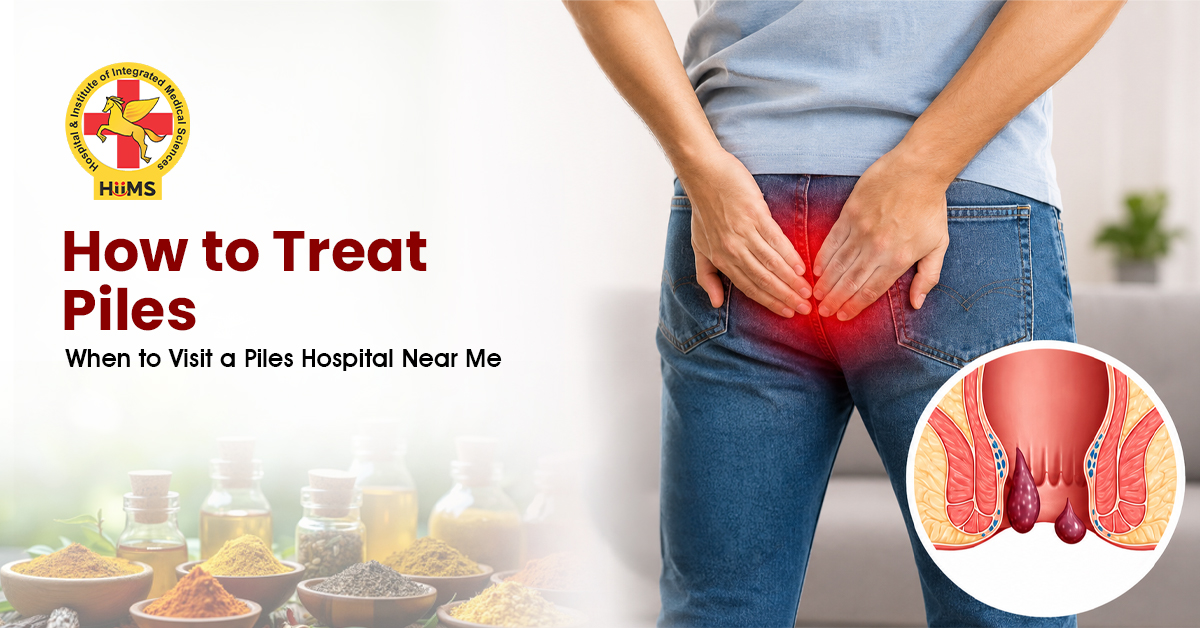

Piles is a condition many people face, but in the beginning, it is often ignored. It may start with small discomfort, like little itching or mild pain, which people don’t take seriously. Slowly, it can make daily life a bit difficult. Sitting, walking, or passing stool may not feel normal. Many people search for How to Treat Piles when it starts affecting their routine, but still delay care.
This condition is not something to feel shy about. It is quite common, though people don’t talk much. With the right steps, it can be managed. Some people try simple home remedies first, while others go for proper care. At hospitals like Jeena Sikho HiiMS, focus is also kept on root cause and daily habits.
Knowing the early signs of piles disease is important, though many people don’t notice them properly. When it is ignored for long, it may become more painful and difficult than before. So, learning the right way to manage it matters.
Understanding Piles and Early Discomfort
Piles, also known as swollen veins in the rectal area, develop due to pressure in that region. Long sitting hours, constipation, and poor eating habits may slowly lead to this condition. The body gives signs early, but often they are not taken seriously.
Common signs you may notice
The symptoms of piles can vary from person to person. Some feel itching, others notice pain while passing stool. In some cases, slight bleeding may also appear. There may be swelling or a lump near the anal area.
These signs may not look serious in the beginning. But ignoring them can make the condition worse over time.
How to Treat Piles in the Early Stages
When the problem is mild, simple changes can help a lot. Many people look for ways like how to cure piles through simple daily habits. Though the cure depends on many factors, early care can reduce discomfort.
Drink enough water during the day. Include the fiber-rich foods like fruits and vegetables. Avoid very spicy or oily food for some time. Sitting for long hours without movement also increases pressure, so small breaks help.
Warm water sitting, also called a sitz bath, gives comfort. It slowly reduces the irritation and swelling in the area. Such small steps may feel simple, but they are helpful in healing.
When Piles Become Difficult to Manage
Sometimes the condition does not improve with basic care. Pain increases, or bleeding continues. At this stage, proper piles treatment becomes necessary. Ignoring this stage can make daily life more difficult.
If sitting becomes painful or there is constant discomfort, it is better to seek help. The body is clearly indicating that deeper care is needed.
Ayurvedic View and Natural Support at Jeena Sikho HiiMS
In Ayurveda, piles is connected with digestion and imbalance in the body. The focus is not only on the symptoms, but also on correcting the daily habits and the internal balance of the body. Natural therapies may help in managing the swelling and also improve the digestion slowly.
At hospitals like Jeena Sikho HiiMS, attention is given to diet, routine, and body cleansing methods. This approach may support long-term comfort instead of temporary relief.
Role of Kshar Sutra therapy
Kshar Sutra therapy is a well-known Ayurvedic method used in managing piles. It uses a medicated thread that is applied in a specific way. This process helps in reducing the affected tissue slowly.
It is considered less invasive and works gradually. The aim is to remove the problem from the root while allowing natural healing. This method is often suggested when the condition is more advanced but still manageable through natural ways.
When to Visit a Piles Hospital Near You
Many people delay this step due to hesitation. But there are clear signs when visiting a hospital becomes necessary. If there is regular bleeding, severe pain, or swelling that does not go away, it is time to seek proper care.
Searching for a nearby center for how to treat piles becomes helpful in such cases. Early consultation prevents further complications. It also gives clarity on the condition and suitable treatment options.
Do not wait until pain becomes unbearable. Timely care always gives better results.
Daily Routine That Supports Natural Recovery
Small changes in routine make a big difference. Regular bowel habits should be maintained. Avoid holding stool for a long time. Keep the digestion light and simple.
Walking daily helps improve circulation. Avoid heavy lifting for some time. Stress also affects digestion, so keeping the mind calm is useful.
These steps may look basic, but they support the body in healing naturally.
Conclusion
Piles can start as a small problem but may become serious if ignored. Many people keep searching for how to treat piles when the discomfort slowly increases. Understanding early signs and making simple lifestyle changes can help in many cases. Natural methods, along with the proper care, support healing in a steady way.
If the condition becomes painful or does not improve, it is better to seek guidance. Hospitals like Jeena Sikho HiiMS focus on the overall well-being and may guide in a balanced way.
If you are searching for the piles hospital near me, it usually shows that the discomfort is increasing and proper care is now needed. You may also consider a VOPD consultation for better understanding and support.

FAQs
1. What are piles?
Piles are swollen veins in the lower rectum. They cause pain, itching, or bleeding.
2. What causes piles?
Constipation, long sitting hours, and poor diet are common causes.
3. What is Kshar Sutra therapy?
It is an Ayurvedic method using medicated thread for treatment.
4. What foods help in piles?
Fruits, vegetables, and fiber-rich foods are helpful.
5. Is bleeding normal in piles?
Mild bleeding can happen, but frequent bleeding needs attention.