

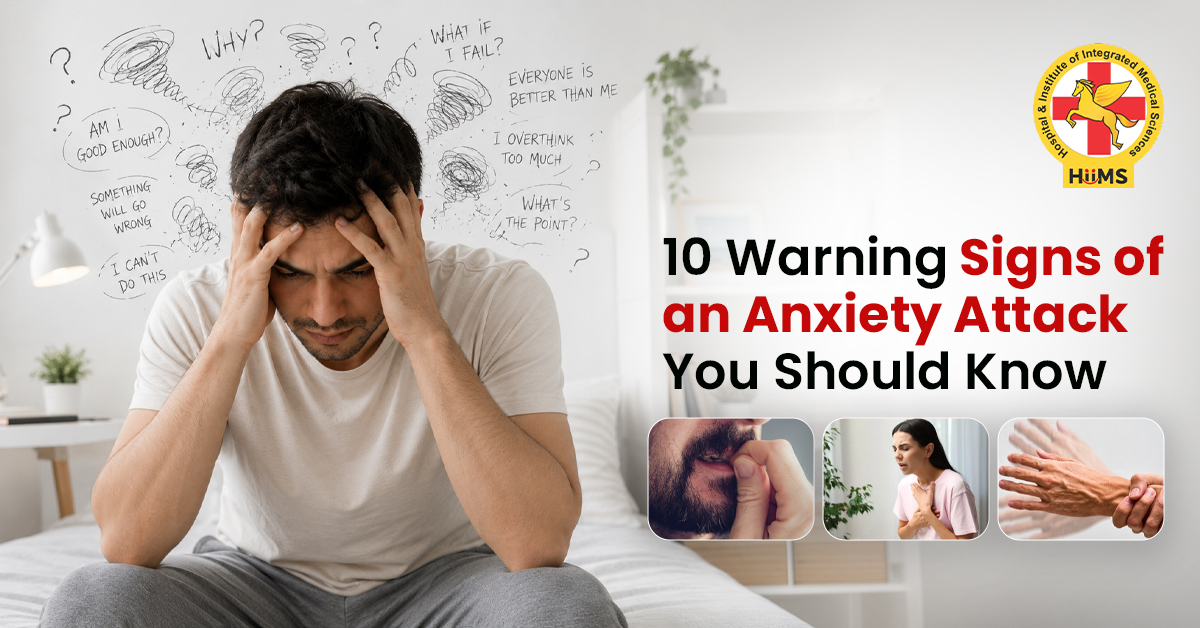
Sometimes anxiety does not feel extreme at first. It starts with a strange restlessness in the body, a faster heartbeat, a tight chest, or a mind that does not want to calm down even when life looks normal from the outside. A person may be working, travelling, speaking with family, or resting at home, and still feel as though something is not quite right.
That is why the early signs are very important in this case. The body often speaks before the mind fully understands what is happening, and those small signals can turn into a much more serious episode if they are ignored for too long.
In this blog, we will look at the signs of an anxiety attack in a clear and practical way, so you can recognise them early, respond with more confidence.
What Is an Anxiety Attack?
Anxiety and ordinary stress are not the same thing, even though people often mix them up. Most stress comes from something happening around you, like work pressure, family concerns, or a situation that needs attention. An anxiety attack feels different. Fear or discomfort may show up suddenly and feel stronger than expected. At the same time, thoughts can become difficult to settle, while the body starts reacting in its own way.
That is why many people describe anxiety attack symptoms as something that feels both mental and physical at the same time. The chest may feel heavy, the breathing may get shallow, and the mind may keep jumping from one worry to another without any proper pause. When this happens, the person may not know whether the issue is emotional, physical, or both.
10 Warning Signs of an Anxiety Attack You Should Never Ignore
1. Sudden Feeling of Fear or Panic Without a Clear Reason
Some people notice this before anything else. They could be in the middle of an ordinary day and suddenly feel uncomfortable within themselves. Nothing around them may have changed, yet the feeling remains. It can leave them unsettled for a while and wondering why they feel that way in the first place.
2. Rapid or Pounding Heartbeat
A racing heart is one of the most common anxiety attack symptoms. It may feel as if the heart is beating too hard, too fast, or in a way that is impossible to ignore. Many people become more anxious because they start focusing on the heartbeat itself.
3. Shortness of Breath or Difficulty Breathing
Breathing may not feel quite right during an anxiety attack. A person might keep trying to take a satisfying breath but feel as though something is stopping it. That feeling alone can create more discomfort, especially when they cannot understand why it is happening.
4. Excessive Sweating or Sudden Chills
The body often reacts quickly to emotional strain. Sweaty palms, cold hands, sudden chills, or a sharp change in body temperature can show up without warning. These changes are part of the body’s stress response, and they often appear along with other anxiety attack symptoms.
5. Shaking, Trembling, or Muscle Tension
People often describe this differently. Some notice a slight shakiness, while others simply feel that their body is not as steady as usual. It may pass after some time, though the experience can still stay on their mind for a while.
6. Dizziness or Feeling Light-Headed
Some people feel unsteady, faint, or slightly disconnected from what is happening around them. This can be unsettling, especially when it appears without warning. It is one more way the body shows that it is under pressure.
7. Chest Discomfort or Tightness
Chest discomfort can feel worrying because it gets attention very quickly. A person may notice pressure, tightness, or heaviness across the chest area. While anxiety causes can contribute to this sensation, it should never be ignored if it keeps returning or feels severe.
8. Stomach Upset, Nausea, or Digestive Discomfort
Some people notice it in their stomach before they notice it anywhere else. Food may not feel as appealing, or there may be an uneasy feeling that lingers for no clear reason. It does not happen to everyone, but it is common enough that anxiety treatment often considers daily habits and routine, not just emotional well-being.
9. Tingling or Numbness in Hands and Feet
A person may notice pins and needles in the fingers, palms, toes, or feet during a strong anxiety episode. It can feel strange, and that odd sensation may make the fear worse for a few moments. Still, it is one of the patterns many people report during anxiety attacks.
10. Feeling Out of Control or a Sense of Impending Doom
Some people talk about a feeling they cannot quite put into words. Nothing around them may have changed, yet they still feel unsettled. That feeling can stay with them for some time and make an already difficult moment feel even heavier.
At this stage, noticing the signs of anxiety attack early can make a real difference. It gives the person a chance to slow down, breathe, and respond before fear grows stronger.
When Should You Seek Professional Help?
If a person keeps feeling exhausted, restless, or emotionally drained, it is better not to wait too long. A sensible anxiety treatment plan can help a person understand triggers, improve routine, and reduce the fear that keeps building. In many cases, anxiety therapy at natural care also helps people feel less alone because they finally have a clearer way to deal with what they are experiencing.
Conclusion
The signs of anxiety attack become easier to handle when you know what to look for and do not dismiss the early changes in your body. A racing heart, breathing trouble, dizziness, stomach upset, or that uneasy feeling of losing control can all point to the same pattern. Once these signals are recognised, a person can slow down, seek support, and learn how to control anxiety with better daily habits and the right guidance.
If symptoms keep returning, do not wait for them to grow stronger. For initial support, you can opt for an online video consultation (VOPD) with expert doctors at Jeena Sikho HiiMS.
FAQs
- What usually comes first during an anxiety attack?
Many people first notice restlessness, a fast heartbeat, or a sudden uneasy feeling that seems hard to explain. - Can anxiety attack symptoms affect the stomach too?
The stomach often reacts to stress, so nausea, heaviness, or reduced appetite can appear during anxiety. - How to control anxiety during a stressful day?
A slower breathing pattern, light movement, enough sleep, and fewer triggers can help the mind feel more settled. - When does anxiety need professional care?
When symptoms return often, disturb sleep, or start affecting work and relationships, support becomes important. - What makes anxiety therapy useful in the long run?
Effective therapy helps a person understand triggers, improve habits, and build a calmer response to stress over time.
