
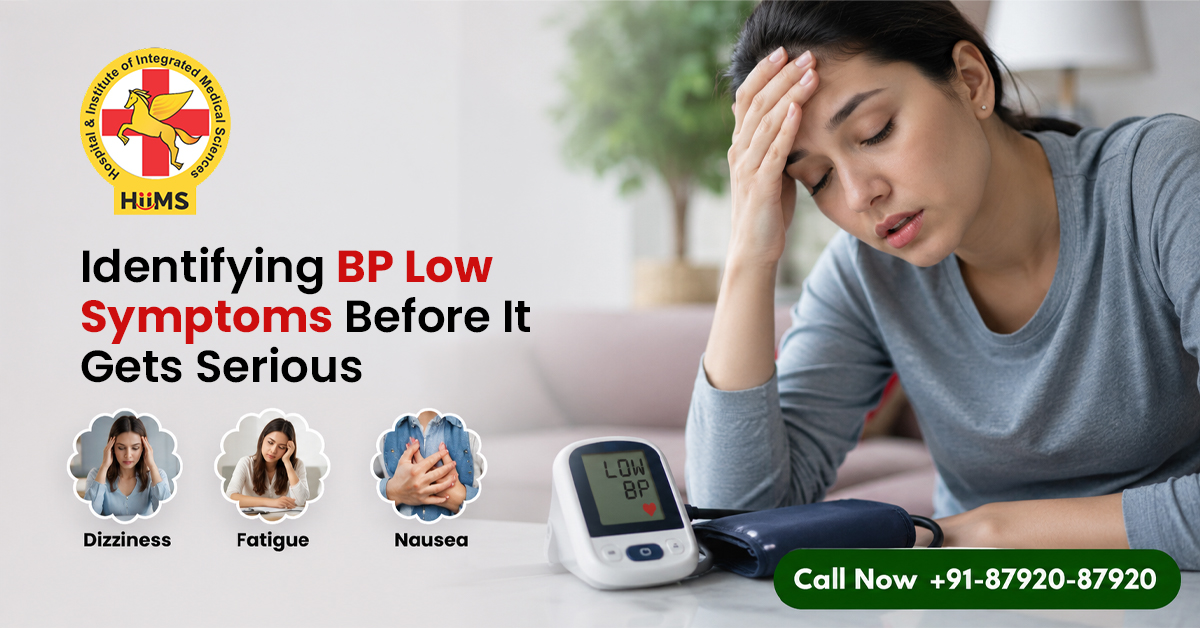
Low blood pressure often gets ignored. People usually think it is not a big deal compared to high BP. But the truth is, when BP drops too low, the body starts reacting in subtle ways.
Dizziness while standing, weakness despite no particular cause, and imbalance in your body throughout the day are all common indications of BP being low. Such symptoms can be easily ignored by you, but it is always better to catch the BP low symptoms at an early stage.
These symptoms, once ignored, will make life difficult for you in many ways. The intention of this blog is to make people aware about the warning signs of low blood pressure and how to take necessary precautions.
What is Low Blood Pressure?
Low blood pressure, also called hypotension, happens when the blood pressure level drops below normal. This may result in inadequate flow of blood to vital organs such as the brain and the heart. All BP low readings are not critical, but where symptoms occur, action should be taken.
Common BP Low Symptoms
Some of the most noticed BP low symptoms include:
- Dizziness or lightheaded feeling.
- Fainting or near fainting.
- Blurred vision.
- Weakness or fatigue.
- Cold or clammy skin.
- Nausea.
- Problems concentrating.
These can appear quite abruptly and more noticeably if you get up from lying/sitting suddenly or if you’ve been without food for a long time.
Early Warning Signs You Should Notice
Before it becomes serious, the body usually gives small hints:
- Feeling unstable while standing.
- Sudden tiredness without reason.
- Frequent headaches.
- Feeling low on energy throughout the day.
Ignoring these early signs of low blood pressure can make the condition worse over time.
Causes of Low BP
Low BP can happen due to different reasons:
- Dehydration.
- Long gaps between meals.
- Nutritional deficiencies.
- Stress or weakness.
- Certain medications.
- Underlying health conditions.
Understanding the cause is important before choosing any BP treatment.
Low BP Treatment Naturally
Many people look for low BP treatment naturally, especially when symptoms are mild. Some simple steps include:
- Drinking enough water.
- Eating small, frequent meals.
- Adding a balanced amount of salt.
- Including nutrient-rich foods.
- Avoiding sudden posture changes.
These habits may help support better blood pressure balance in daily life.
Lifestyle Habits That Make a Difference
Small changes over time can make a surprising difference:
- A routine sleep schedule.
- Consistent eating habits.
- Some form of light exercise.
- Relaxation techniques.
They may not bring about change overnight, but they help build toward long-term balance.
When Should You See a Doctor?
Do not ignore symptoms if:
- You faint frequently.
- Dizziness happens often.
- Weakness is constant.
- Symptoms are getting worse.
At this stage, proper guidance becomes important.
Natural and Holistic Support
Some people also explore natural approaches along with medical care. These approaches focus on:
- Diet correction.
- Routine balance.
- Stress management.
- Overall body strength.
Centres like Jeena Sikho HiiMS Indore follow a holistic approach where the focus stays on improving internal balance rather than only managing symptoms.
Conclusion
Though BP low symptoms may be minor initially, do not neglect them at any cost. Early consultation, with small lifestyle modification and medical guidance, can manage this condition better. Those looking for support may avail VOPD consultation at Jeena Sikho HiiMS Indore . For inquiry dial +91 82704 82704 | care@jeenasikho.com. Early consultation can enable you to take proper steps.

FAQs
1. Early symptoms of low BP?
Early symptoms of low BP: dizziness, weakness, blurred vision, and feeling dizzy when standing.
2. What leads to low BP?
Some common reasons for low BP are dehydration, not eating over a long period, stress and poor diet.
3. How can low BP be controlled naturally?
By proper hydration, good diet, regular meals and also lifestyle changes.
4. Is low BP dangerous?
Not always, though the persistent symptoms of fainting and weakness are not to be taken lightly.
5. Should I see a doctor if I have low BP?
It’s better to visit a doctor for low BP if symptoms are frequent, strong and impact the lifestyle.