

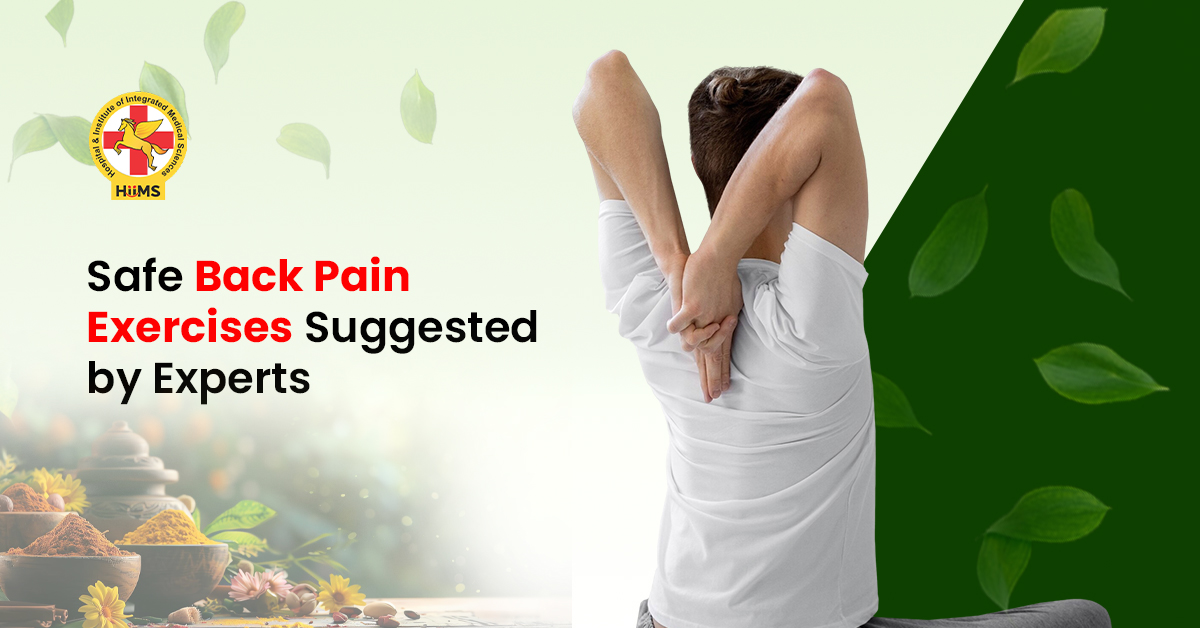
The issue of back pain impacts many lives because daily routines have shifted faster than a human body can adapt, and most people feel its effects in simple tasks rather than extreme situations. Long hours at a desk, short stretching between demanding chores, uneven weight on one hip, and poor sleep support all layers into steady tension around the lumbar area.
The idea behind writing this blog is that instead of dramatic chemical-based fixes, there are natural ways that offer steady, manageable movements you can fold into daily life to reduce stiffness and build supportive strength so daily tasks resume with fewer interruptions and less worry, and steadily.
In this blog, you will find a cause-aware approach, clear benefits of back pain exercises, step-by-step practice and safety checks so you know what to do and when to seek help; all described in simple, easy language.
Understanding Back Discomfort Before Starting Any Exercise
Knowing the cause prevents misdirected effort. Poor posture, weak core muscles, tight hips and long sitting spells amplify strain; treating only the pain without changing habits invites repeat painful instances. Thoughtful back pain management starts with gentle movement that improves circulation and lightly loads the spine’s supporting muscles so the body can recover without extra strain.
Key Benefits of Practicing Back Pain Exercises Regularly
Practicing regular routines offers noticeable gains over time.
- Improves Flexibility and Mobility: Simple stretches lengthen tight tissues, allow the spine to move through its range and ease morning stiffness so you feel less stiff when you rise.
- Strengthens Core and Support Muscles: Targeted strengthening shifts load away from vulnerable joints and builds a more reliable support system for everyday movement.
- Supports Posture and Alignment: When postural muscles relearn balanced activation, sitting and standing place less pressure on lumbar discs and shoulders.
- Helps in Long-Term Back Pain Management: Consistent practice builds endurance for daily life and reduces reliance on temporary relief, helping you manage pain incidents more confidently.
Types of Back Pain Exercises Recommended by Experts
Therapists combine exercises to progress safely: gentle stretches to free tight tissue, strengthening moves for the hips and core, mobility drills to restore rhythm, and low-impact activities like walking and mild yoga that maintain fitness without jolting the spine. Together, these practical back pain exercises create a routine you can scale with time.
Step-by-Step Guide to Safe Back Pain Exercises
Always move slowly, match your breath according to the motion, and stop if you feel sharp pain while doing it. The following back pain exercises are chosen to be effective while remaining gentle.
Knee-to-Chest Stretch (Lower Back Relaxation)
Lie on your back with knees bent, pull one knee toward the chest using both hands, hold for 20–30 seconds and repeat twice on each side; this eases lower lumbar tension and releases surrounding muscles.
Cat-Cow Movement (Spinal Flexibility)
Start on all fours, inhale to drop the belly and lift the chest (Cow), then exhale while rounding the spine (Cat); repeat five to eight gentle cycles to lubricate the joints and restore motion.
Bridge Pose (Strength and Support)
Lie on your back with knees bent and feet flat; press through your heels and lift the hips until your body forms a straight line from shoulders to knees, hold briefly and repeat 8–10 controlled lifts to strengthen glutes and lower back.
Child’s Pose (Gentle Release)
From kneeling, sit back on your heels and reach your arms forward, letting the spine lengthen as you breathe deeply; use this pose to decompress the lumbar area and calm tightness.
Pelvic Tilt (Core Activation)
Lie down with knees bent, flatten the lower back gently toward the floor by engaging lower abdominals, hold for a few seconds and release; repeat 10–15 times to build fine control and spinal stability.
Safety Tips to Follow While Doing Back Pain Exercises
Move deliberately rather than doing the exercises quickly, avoid abrupt jerks, breathe steadily and stop if any move causes sharp or radiating pain. Quality of movement beats quantity every time, and steady progression keeps the spine safer than hurried overload.
When Exercises Alone May Not Be Enough
If pain travels into the leg, brings numbness or creates weakness, consult a back pain specialist for targeted assessment; early professional advice can prevent unnecessary delays and guide a safe plan that includes diagnosis or specialist therapy if needed.
Supportive Therapies That Complement Exercise
Therapeutic massage for back pain and targeted back pain therapy relax tight muscles and improve circulation, helping you rejoin exercise practice sooner and with less discomfort.
Conclusion
Sustained improvement rests on small, consistent steps that balance mobility, targeted strengthening and sensible daily habits rather than dramatic one-time efforts. Practising the right back pain exercises frequently rebuilds muscular support and reduces stiffness so everyday tasks feel more manageable, and seamlessly adding posture checks and movement breaks preserves those gains.
When progress slows down or an uncomfortable type of feeling appears, consult a back pain specialist for a personalised assessment; integrating evidence-based back pain therapy or supportive massage for back pain with your routine often restores momentum.
For tailored plans and clinic-backed guidance from Jeena Sikho HiiMS, call +91 82704-82704 or email care@jeenasikho.com.
FAQs
Q1: How often should I do these exercises?
Set goals for short sessions three times per week, increasing gradually.
Q2: When should I see a doctor about my back pain?
Consult a professional if pain radiates, causes numbness, or weakens movement.
Q3: Can exercises make my pain worse?
Stop any motion that causes sharp pain and make an evaluation.
Q4: How long until I notice improvement?
Expect subtle ease within a few weeks of consistent practice.
Q5: Is walking useful for back recovery?
Regular, low-intensity walking supports mobility without stressing the spine.
