

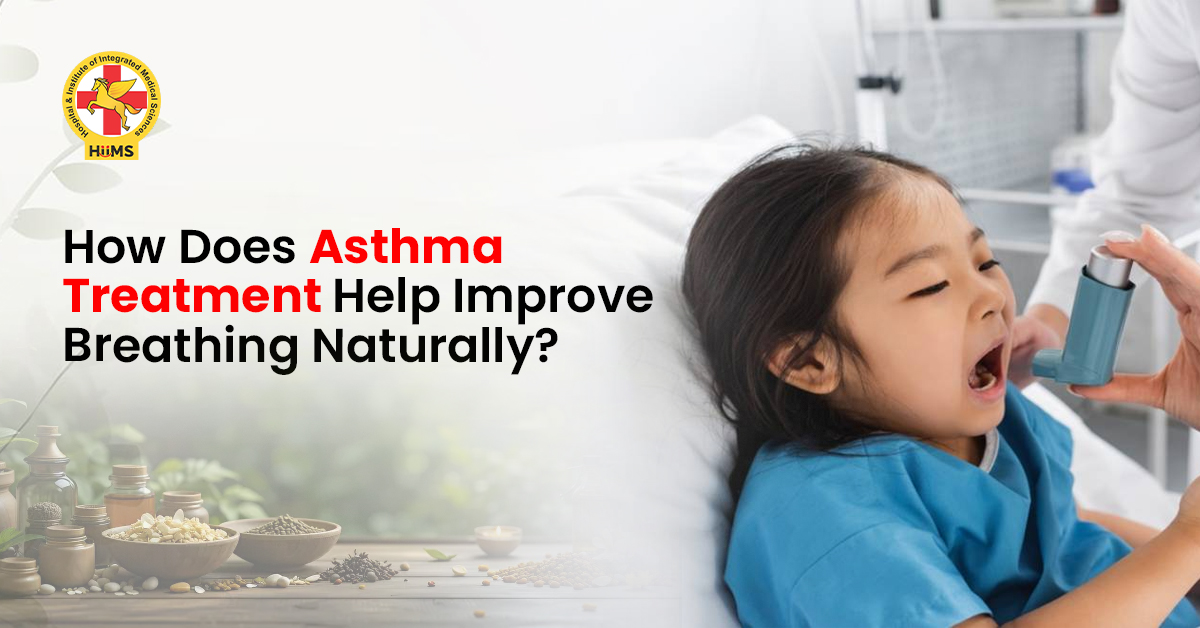
If you have experienced difficulty breathing in the past, you are aware that living with asthma can be unpleasant and frightening. It does not only involve having a cough or making a whistling sound from time to time. Sometimes breathing itself seems to be an activity. You may feel fine one day and suddenly experience tightness in your chest the next. That unpredictability is what makes asthma frustrating for many people.
Most people living with asthma keep wondering what actually helps. Should you depend only on inhalers? Can natural methods really make a difference? Is it possible to improve breathing without feeling dependent on medicines all the time?
The truth is, asthma treatment is not just about quick relief. It is about improving how your lungs function over time. Small changes in breathing habits, lifestyle, and daily routine can slowly make breathing feel easier and more controlled. This guide is written to help you understand how asthma treatment works in a practical way and how you can actually feel better in your day-to-day life by adapting to home remedies for asthma.
What Is Asthma?
Asthma is a condition where your airways become narrow, inflamed, and sensitive. Because of this, air does not flow as easily in and out of the lungs. When triggered, the airways tighten and produce more mucus, making breathing difficult. This can lead to symptoms like wheezing, coughing, chest tightness, or shortness of breath. For some people, it happens occasionally. Others find it to be a constant struggle.
What Causes Asthma?
Asthma triggers are different for everyone, but some common patterns are easy to notice. Dust, pollution, and smoke are frequent triggers. Even cold air or sudden weather changes can make breathing harder. Many people notice symptoms getting worse during winters or early mornings.
Allergies also play a big role. Things like pollen, pet dander, or even strong smells can trigger asthma. Stress and anxiety are often ignored, but they can make breathing more irregular and worsen symptoms. Sometimes, even physical activity without proper breathing control can trigger discomfort.
What Does It Feel Like?
Asthma does not feel the same every time, and that is what makes it confusing. Some days, it may just feel like slight heaviness in the chest. Other times, you may feel like you cannot take a deep breath no matter how hard you try. Wheezing, a whistling sound while breathing, is common. Coughing, especially at night or early morning, is another sign many people notice. During an asthma episode, even simple activities like walking or talking can feel tiring.
How Do Doctors Check Asthma?
Asthma doctors usually understand asthma through your symptoms and medical history. They might advise you to take breathing tests to assess the efficiency of your respiratory system. They determine the flow rate and indicate the level of restriction in breathing. Sometimes, allergy testing or chest examinations are also conducted to find out the triggering factors.
How Does Asthma Treatment Help Improve Breathing Naturally?
Asthma treatment involves gradual improvement of the lungs’ functioning and decreased frequency of symptoms.
- Breathing Techniques That Improve Control
Breathing exercises play a very important role in asthma relief. They help retrain your breathing pattern and make it more controlled. Techniques like diaphragmatic breathing and pursed lip breathing can:
- Strengthen respiratory muscles.
- Improve oxygen flow.
- Reduce breathlessness.
Practicing regularly can make breathing feel more natural and less forced.
- Clearing Airways and Reducing Tightness
Some techniques like blowing your nose or coughing help to remove the mucus. It helps in removing mucus and thus improving breathing. - Relaxation and Stress Control
Stress is known to trigger asthma attacks. If a person is anxious, they will tend to breathe faster and shallowly. Meditation, slow breathing, and mindfulness aid in relaxing the nervous system, thereby minimizing chances of asthma attacks. - Physical Activity With Awareness
Light activities like walking or gentle yoga help improve lung capacity over time. The issue does not lie in the intensity. Rather, it lies in consistency and the correct breathing process during physical activities. - Daily Habits That Support Lung Health
Simple actions like avoiding the irritants, having adequate water intake, and maintaining cleanliness of one’s environment can be helpful in reducing irritation of the airways. Simple changes in one’s lifestyle can lower the occurrence of symptoms.
How Jeena Sikho HiiMS Approaches Asthma Treatment
At Jeena Sikho HiiMS, the treatment for asthma goes beyond merely providing asthma relief. The primary goal of this therapy is to identify the underlying factors responsible for the disease. The procedure typically begins with an assessment of the patient’s life and health.
Dietary advice is provided to balance the body from within and improve breathing. Changes in the patient’s life pattern become a significant part of this treatment. Sleep, stress, and physical activities are all taken into account. Ayurveda treatments may also be recommended depending on the patient’s requirements. These therapies aim to gently support the body rather than forcing quick changes.
Detox methods may also be used to help clear internal build-up and improve overall lung function. The goal is simple, to make breathing more stable and reduce dependency on frequent emergency relief.
When Should You See an Asthma Doctor?
You should consider consulting an asthma doctor if:
- Breathing difficulty happens frequently.
- You experience chest tightness often.
- Symptoms disturb your sleep.
- You rely on quick relief inhalers regularly.
Ignoring symptoms can make the condition harder to manage later.
Conclusion
Asthma can be quite erratic; however, with the proper knowledge and techniques, one may easily manage their symptoms and improve their quality of life. It is important to understand that the process involves not only finding fast solutions for your breathlessness but knowing how your respiratory system functions and all the factors that influence it on a day-to-day basis. In case you have any doubts regarding asthma treatment, you may seek professional advice from the experts at Jeena Sikho HiiMS. They can be contacted via email at care@jeenasikho.com or at VOPD.

FAQs
1. Can asthma be treated without medications?
With proper adjustments in lifestyle and breathing methods.
2. Does breathing therapy help people suffering from asthma?
If done consistently, it helps breathe better and avoid any inconvenience.
3. Is asthma a lifelong disease?
Sometimes it is, but the symptoms can be effectively managed.
4. What are the main causes of asthma?
Pollution, dust, cold weather, allergens, and stress are some of the main causes.
5. When should I consult an asthma specialist?
If you are facing difficulties breathing on a regular basis, you should see your physician.