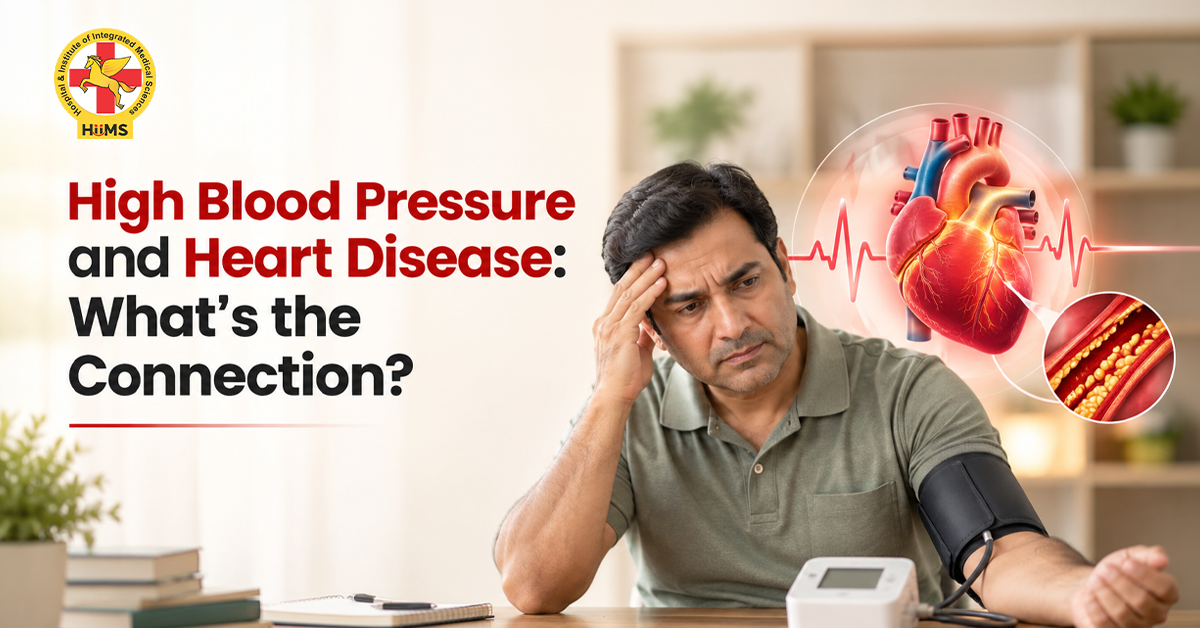

Many people live with high blood pressure for years without ever knowing it. They go to work, cook, travel, and sleep as usual, while their blood pressure stays above the healthy range. Slowly, this can put the heart and blood vessels under strain and increase the risk of serious heart disease.
The World Health Organization (WHO) estimates that 1.4 billion adults between 30 and 79 years of age had hypertension in 2024. Many of them may not realize it, because the early stage often shows no clear symptoms.
That is why hypertension and heart health deserve everyone’s attention. Eating well, staying active, sleeping enough, and going for regular checkups may help people keep their blood pressure under control and look after their heart for years to come.
How Does High Blood Pressure Affect the Heart?
High blood pressure, also called hypertension, puts extra pressure on the walls of the arteries. The heart has to work harder than usual to move blood through the blood vessels. If this continues for a long time, the arteries may become stiff or narrow, making blood flow more difficult.
The heart muscle may also become thicker because of the extra workload. Over time, it may become less effective at pumping blood to different parts of the body.
The WHO fact sheet on hypertension notes that blood pressure that is not controlled may increase the chances of heart attack, heart failure and other serious conditions.
Concerned about your blood pressure? Consult a healthcare professional to understand your heart health and care needs.

Heart Conditions Linked to High Blood Pressure
When high blood pressure stays uncontrolled for years, it may contribute to several heart problems. Knowing them helps explain why hypertension and heart health are so closely tied.
- Coronary artery disease
- Heart attack
- Heart failure
- Thickened heart muscle (left ventricular hypertrophy)
- Irregular heartbeat
Because these conditions often develop quietly, regular blood pressure checks are one of the simplest ways to catch a problem early.
Common Warning Signs to Notice
High blood pressure is often called a silent condition because it may not cause noticeable symptoms. A person may have it for years without realising that their blood pressure is high. Heart disease can grow for years before the first sign appears.
The following signs may indicate a heart problem:
- Headache
- Dizziness
- Blurred vision
- Chest pain
- Shortness of breath
- Nosebleeds
The WHO reports that about 46% of adults with hypertension are unaware of it, and only about 1 in 5 has it under control.
What Raises Blood Pressure and Strains the Heart?
Certain habits and conditions can add to the load on the heart and blood vessels. Being aware of them may help people make better choices in their day-to-day life.
- Too much salt: A salty diet may cause the body to store extra fluid, which can push blood pressure higher.
- Little physical activity: A sedentary lifestyle may lead to weight gain and weaker heart health.
- Extra body weight: More weight means the heart has to work harder.
- Smoking and alcohol: Both may harm the blood vessels and add to cardiovascular risk.
- Ongoing stress: Stress and high blood pressure may be connected, because lasting stress can disturb sleep, food choices and other habits that affect blood pressure.
- Diabetes and high cholesterol: Both conditions may add to the damage in the blood vessels.
The US Centers for Disease Control and Prevention (CDC) also describes how high blood pressure harms the arteries and raises the risk of heart attack and heart failure.
Why Pills Alone Do Not Solve the Problem
Many people are told to take blood pressure tablets for years. Doctors often hear patients speak of tiredness, dizziness, a dry cough or swollen ankles with some of these medicines.
Tablets can bring the numbers down, but they do not change the habits that raised the pressure. Many people also feel uneasy about taking a daily medicine for life.
This is why a care plan that works on food, sleep and stress deserves a place in your routine.
How Ayurveda Views High Blood Pressure and Heart Health
Ayurveda describes the body through three doshas, Vata, Pitta and Kapha, and sees health as a balance among them. Irregular meals, poor sleep and ongoing stress are said to disturb this balance, which may affect blood pressure and heart health.
According to Ayurveda, balancing these doshas with a proper diet, a healthy lifestyle, regular sleep and yoga can help improve overall health, including the heart. Any treatment should be recommended only after a qualified practitioner has understood the person’s needs.
Natural and Holistic Treatment Approach at Jeena Sikho HiiMS Amritsar
Jeena Sikho HiiMS Amritsar offers Ayurvedic care built around a personalised plan, which may include Ayurvedic medicines, dietary guidance, lifestyle changes and therapies chosen for the person’s condition. Some of the therapies used for heart health and blood pressure are:
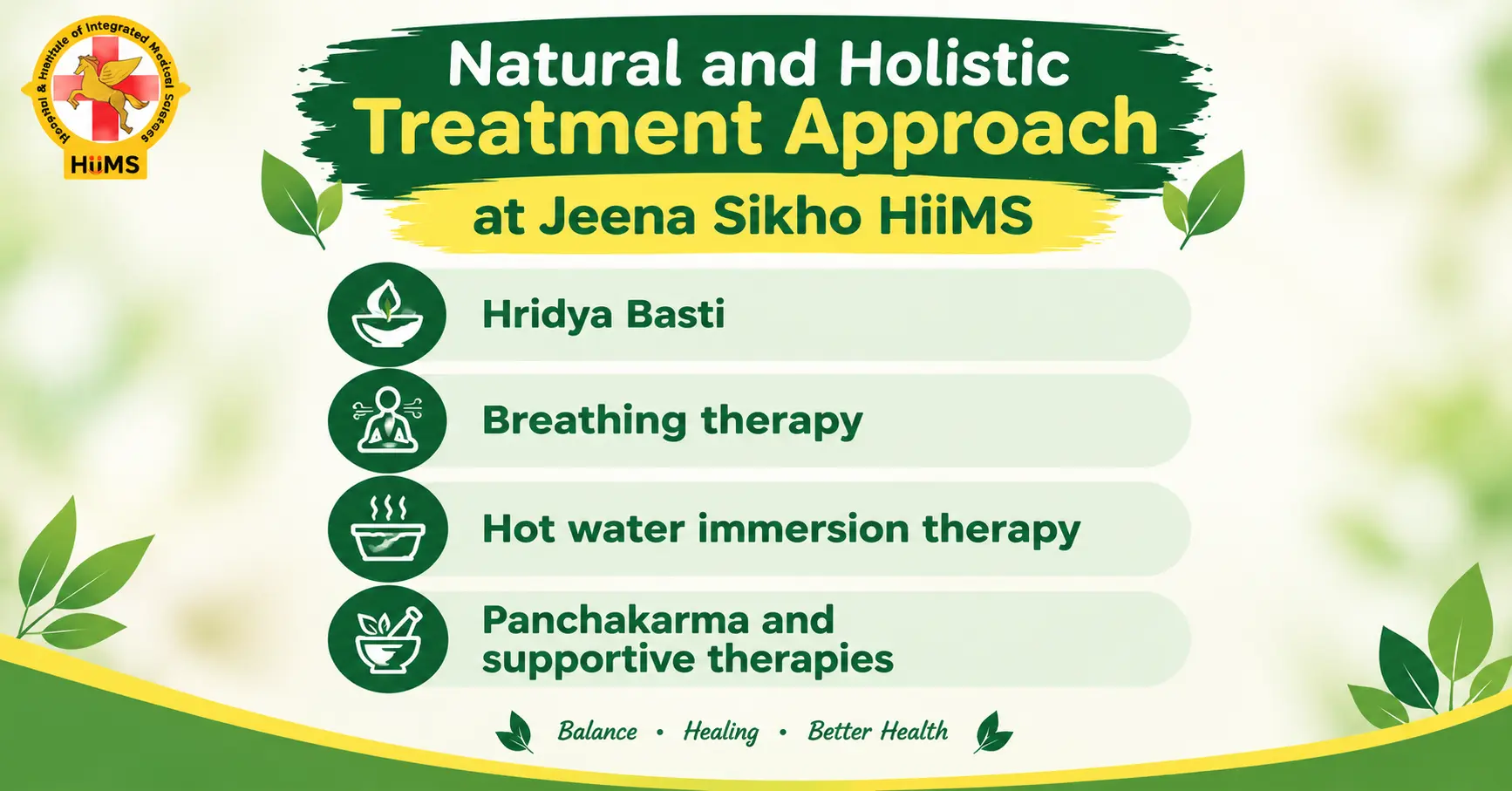
- Hridya Basti: A traditional Ayurvedic therapy in which warm medicated oil is held over the chest area. It is meant to relax the body and support the heart.
- Breathing therapy: Guided breathing practices that may help calm the mind and ease stress, which is closely linked to high blood pressure.
- Hot water immersion therapy: Immersing the body in warm water may help the body relax and support circulation.
- Panchakarma and supportive therapies: Panchakarma cleansing along with supportive therapies like Abhyanga and Swedana may help the body relax, release stress and restore dosha balance.
These therapies are recommended only after a qualified practitioner has understood the person’s needs.
Easy Ways to Prevent Heart Disease
Prevention starts with paying regular attention to daily habits. These steps can help people care for their heart:
- Walk for 30 minutes on most days
- Cut down on salt, packaged snacks and fried food
- Eat more fruits, vegetables and whole grains
- Quit smoking and limit alcohol
- Sleep seven to eight hours each night
- Check your blood pressure every month
The National Heart, Lung, and Blood Institute lists similar habits as easy ways to prevent heart disease.
Conclusion
Blood pressure and heart health are deeply connected. If blood pressure stays high for years, it may haVisit Siterm the blood vessels and increase the chances of serious heart disease. Balanced meals, regular movement, good sleep and routine monitoring may help keep the heart safe.

Jeena Sikho HiiMS Amritsar promotes an individual approach to natural health and lifestyle care. If your blood pressure is a concern, you may consider a VOPD consultation to talk about your health with a qualified practitioner.
FAQs
1. How does high blood pressure affect the heart?
It makes the heart work harder, which may stiffen the arteries and thicken the heart muscle over time.
2. Can high blood pressure cause heart disease?
Yes, uncontrolled high blood pressure may raise the risk of heart attack, heart failure and other heart problems.
3. Why is high blood pressure called a silent problem?
It can damage the heart and blood vessels for years without showing clear signs.
4. Do smoking and alcohol affect heart health?
Both may harm the blood vessels and add to cardiovascular risk.
5. How can I prevent heart disease naturally?
A balanced diet, less salt, regular movement, enough sleep and stress management may help.