

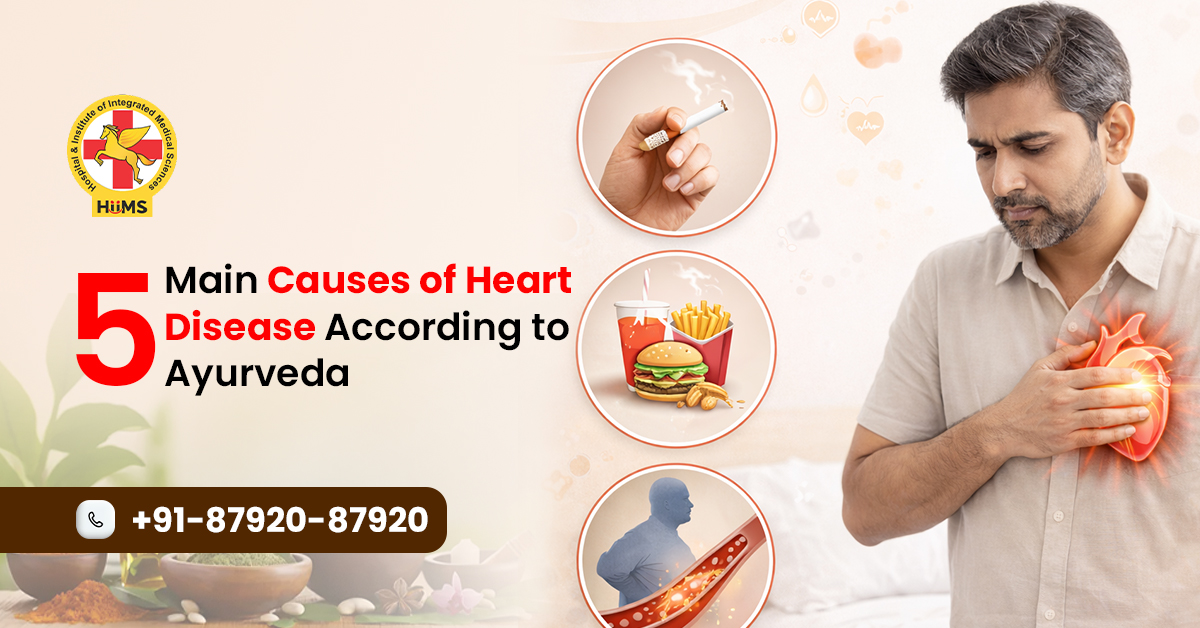
The cases of heart disease have increased steadily over the past few years, and this problem is no longer remains limited to older age groups. People in their thirties and forties now visit a heart hospital in Amritsar with symptoms that once appeared much later in life. Busy routines, irregular meals, constant stress taking, and lack of movement silently impact our internal health. Many people focus only on reports, numbers and medicines, but they hardly pause to ask what actually disturbed the body at the beginning.
Modern diagnosis helps identify damage, but ancient ayurvedic wisdom explains why that damage began. When digestion weakens, when sleep breaks down, when emotions remain unbearable for years, the heart slowly carries that burden. Understanding these patterns makes heart disease treatment more meaningful and long-lasting.
In this blog, you will clearly understand the 5 main causes behind heart problems and how they connect with daily life.
Understanding the Heart in Ayurveda and Modern Life
In modern science, they explain that the function of the heart is to pump blood and maintain circulation. In Ayurveda, however, the heart is described as the centre of vitality, emotional balance, and life energy.
When daily habits disturb digestion, sleep, and mental peace, the heart reflects that disturbance. The body does not break down suddenly; it changes slowly out of balance.
Why Knowing the Causes Matters
When people understand the deeper reasons behind heart blockage, they take timely steps and reduce the chances of future complications. Instead of waiting for emergency-based heart attack treatment in Amritsar, they work toward steady correction. Early awareness also helps doctors plan proper heart disease treatment before the condition progresses further.
The 5 Main Reasons Behind Heart Problems
1. Poor Eating Habits and Toxin Build-Up
Food directly impacts blood circulation. Frequent intake of fried snacks, refined sugar, packaged items, and heavy dinners weakens digestion. Ayurveda explains that weak digestion produces toxins that circulate in the bloodstream. Over time, these deposits narrow pathways and contribute to heart blockage.
When cholesterol rises and blood pressure increases, the heart pumps harder to maintain flow. This continuous strain slowly shapes heart disease, especially when eating patterns remain irregular for years.
2. Sedentary Lifestyle and Lack of Physical Movement
Long office hours, screen time, and minimal physical activity reduce circulation efficiency. When muscles remain inactive, metabolism slows down and weight increases. Poor circulation forces the heart to compensate.
Regular walking stretching and breathing exercises keep heart rhythm steady and improve oxygen supply. Many people visiting a nearby heart specialist later realize that limited daily movement slowly created a major problem for them today. Consistent activity reduces this pressure on arteries and lowers the risk of advanced heart disease.
3. Long-Term Stress and Emotional Pressure
Emotional stress affects both the mind and body. Worry, suppressed anger, and constant anxiousness disturb hormonal balance and elevate blood pressure. Ayurveda connects emotional imbalance with disturbances in internal energy systems that directly influence the heart.
Chronic stress tightens blood vessels and increases the chances of emergency situations requiring heart attack treatment. Managing emotions through meditation, structured routine, and counselling forms an essential part of recovery. Many cases of heart disease show a strong connection with long-standing stress patterns.
4. Ignoring Natural Body Signals and Daily Routine Imbalance
Irregular sleep, skipped meals, and late-night habits disrupt internal body clock. The body follows a biological clock, and repeated disturbance weakens organ coordination. When hunger, thirst, and rest remain ignored, circulation becomes unstable.
Over time, these habits disturb blood pressure regulation and contribute to heart blockage. Patients often overlook these simple factors while focusing only on medicines. However, a structured daily routine supports better outcomes from any heart disease treatment plan.
5. Existing Health Conditions and Neglected Care
Conditions like high blood pressure, diabetes, obesity, and high cholesterol significantly increase risk. When individuals delay monitoring, the damage progresses quietly. Family history combined with a poor lifestyle accelerates the process.
Timely check-ups at a reliable heart hospital help detect changes before complications arise. Doctors evaluate reports, guide lifestyle correction, and prevent severe forms of heart disease through integrated care.
Early Signs That Should Not Be Ignored
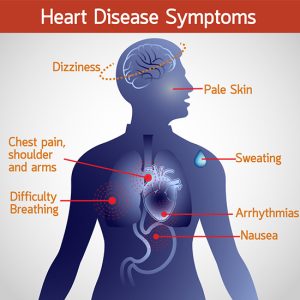
Chest heaviness, breathlessness while walking, unusual fatigue, irregular heartbeat, and swelling in the feet need proper attention. These signs show that the heart is finding it difficult to maintain smooth and healthy blood circulation in the body.
Consulting a qualified doctor at the right time prevents emergencies. Many people start by searching for a heart specialist near me, but experienced guidance always helps them move in the right direction with clarity and confidence. Early diagnosis reduces the need for aggressive heart attack treatment later.
Conclusion
Understanding the real reasons behind heart disease allows individuals to act before complications appear. Poor diet, inactivity, stress, irregular routine, and unmanaged medical conditions gradually disturb circulation and lead to serious outcomes. When patients combine timely medical evaluation with disciplined lifestyle correction, recovery becomes steady and sustainable.
If you notice warning signs or want preventive guidance, consult an experienced team for proper heart disease treatment. For personalized care at Jeena Sikho HiiMS Amritsar, write to care@jeenasikho.com and take the first step toward stronger heart health today.

FAQs
What is the main reason behind heart blockage?
An unhealthy diet, high cholesterol, and poor lifestyle habits gradually narrow the arteries and affect blood flow.
How does stress affect heart health?
Long-term stress raises blood pressure and disturbs heart rhythm, increasing cardiac risk.
When should someone consult a heart specialist?
Continuous chest discomfort, breathlessness, or irregular heartbeat requires immediate healthcare advice.
Can lifestyle changes reduce heart disease risk?
Balanced food, regular exercise, and stress management significantly lower future complications.
Why are regular heart check-ups important?
Routine monitoring detects early changes and prevents serious emergencies.
