

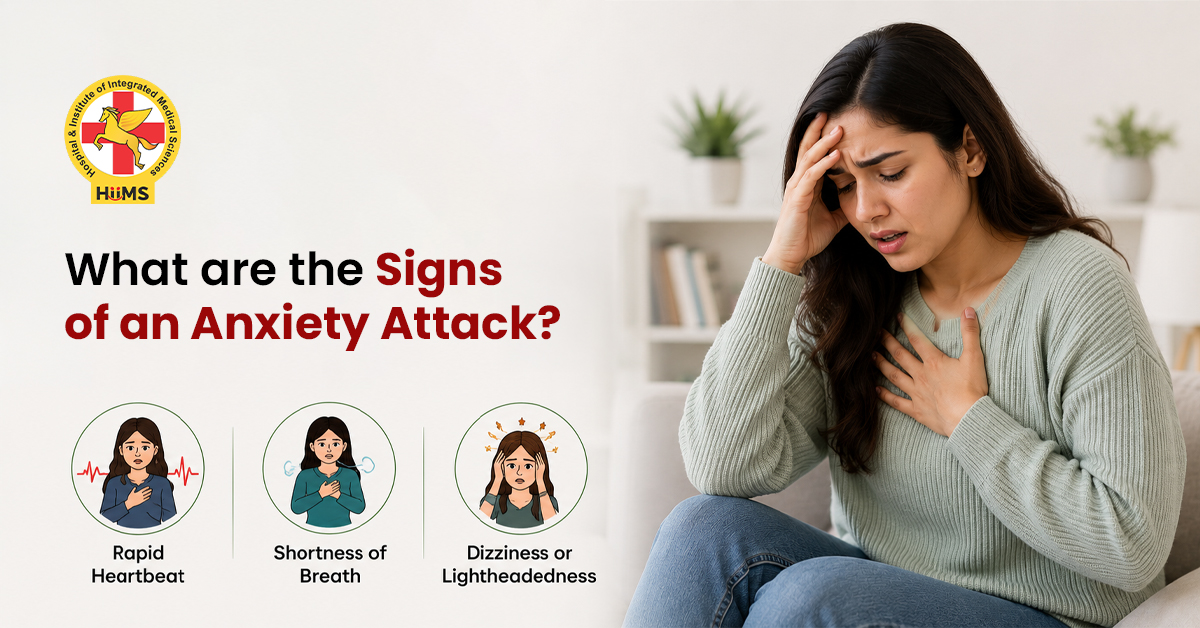
Anxiety is something many people feel in daily life. It may happen before exams, during work pressure, or when facing a difficult situation. But sometimes, anxiety becomes strong and sudden. This is called an anxiety attack. Understanding the signs of anxiety attack is important because many people ignore them or get confused. These signs can affect both the mind and body.
At Jeena Sikho HiiMS, people are guided to understand anxiety in a natural and balanced way. Anxiety is not only about feeling worried. It can disturb sleep, reduce focus, and make daily life difficult. Knowing the early signs of an attack helps a person take the right steps on time.
In this blog, we will explain anxiety attack symptoms, their causes, and simple ways to manage them. We will also see how natural methods and Ayurveda can help in the treatment of anxiety and bring calmness in life.
Understanding Anxiety Attack
An anxiety attack is a sudden feeling of fear, stress, or discomfort. It may come anytime, even without warning. Sometimes it begins after a stressful thought. The body reacts quickly. The person may feel like they are losing control.
These attacks are not dangerous, but they can feel very scary. That is why knowing the symptoms of an anxiety attack becomes very important.
Common Signs of Anxiety Attack
The signs of anxiety attack are not always the same for everyone. Some people feel more physical symptoms, while others feel more emotional disturbance. These signs can start suddenly and feel very intense, even if there is no real danger.
1. Physical Signs of an Anxiety Attack
The body reacts first during an anxiety attack. These changes can feel very uncomfortable and sometimes scary.
- Fast Heartbeat (Palpitations): You may feel your heart beating very fast or loudly without any heavy activity.
- Shortness of Breath: Many people feel they cannot breathe properly, which increases panic.
- Chest Tightness or Pain: A heavy feeling in the chest is common and often confused with heart problems.
- Sweating and Chills: Sudden sweating or feeling cold without reason may happen.
- Shaking or Trembling: Hands or legs may shake during the attack.
- Dizziness or Lightheadedness: You may feel like fainting or losing balance.
These physical anxiety attack symptoms may feel serious, but they usually settle after some time.
2. Emotional and Mental Signs
Along with the body, the mind also reacts strongly. These are important indicators of an anxiety attack:
- Sudden Fear or Panic: A strong fear comes without a clear reason.
- Feeling of Losing Control: You may feel like something bad is about to happen.
- Overthinking: Thoughts keep repeating in a negative way.
- Restlessness: Sitting calmly becomes difficult.
- Fear of Danger or Death: Some people feel unsafe even in normal situations.
3. Behavioural Signs
Anxiety also changes daily behaviour:
- Avoiding people or crowded places
- Difficulty in focusing on work
- Sleep problems
- Irritation and mood changes
Recognising these early symptoms of an anxiety attack helps in better treatment.
Anxiety in Ayurveda: Causes and Balance
As per Ayurveda, anxiety is considered an imbalance of the mind and body. It is mainly linked to Vata dosha, which controls thoughts and the nervous system. When Vata becomes disturbed, it works as one of the key anxiety causes and can lead to restlessness, fear, and overthinking, which are common symptoms of an anxiety attack.
Unhealthy lifestyle, poor routine, and stress are common causes of anxiety in Ayurveda. To manage this, Ayurveda focuses on calming the mind through proper routine, diet, breathing practices, and relaxation methods.
This approach supports natural anxiety treatment by working on the root cause and bringing balance over time.
Anxiety Treatment at Jeena Sikho HiiMS: Natural, Therapeutic and Ayurvedic Methods
Managing anxiety needs a balanced approach that works on both mind and body. At Jeena Sikho HiiMS, different methods are used together so that a person can feel calm and stable in a natural way. These methods include lifestyle changes, therapy, and Ayurvedic care.
1. Natural Anxiety Treatment Methods
Natural methods help improve both mental and physical health slowly and safely. Some simple habits are:
- Healthy eating habits
- Proper sleep routine
- Daily exercise
- Meditation and mindfulness
These daily practices support long-term anxiety-related treatment and bring mental peace.
2. Therapy for Anxiety
When the anxiety keeps coming back or feels heavy, therapy for anxiety can really help. It helps a person look at their thoughts clearly and manage the stress in a calm way. It is a slow process, but it works.
It includes:
- Talking to a counsellor
- Understanding the negative thinking patterns
- Learning stress control methods
This builds confidence and supports the long-term recovery.
3. Ayurvedic Approach for Anxiety
Ayurveda focuses on bringing balance to the mind and body using natural techniques.
Some useful therapies include:
- Shirodhara: Calms the brain with a gentle flow of warm oil.
- Abhyanga: Oil massage that relaxes the body and improves sleep.
- Nasya Therapy: Helps calm the mind and clear mental stress.
- Bhramari Pranayama: A breathing method that relaxes thoughts and improves focus.
These methods support the treatment of anxiety and help manage anxiety naturally without harsh effects.
When Should You Seek Help for Anxiety
You should seek help if:
- Anxiety happens more often than usual
- Daily life is getting affected little by little
- Sleep is not proper at night
- Fear feels heavy and hard to manage
Proper care and guidance are important in such cases; do not delay.
Conclusion
The signs of anxiety attack may feel scary and hard to understand at first. But with time, they can be managed. Small steps like deep breathing, good sleep, and a simple routine really help.
When you understand the causes and learn how to calm anxiety attacks, things start feeling more in control. At Jeena Sikho HiiMS, a balanced way is followed using the Ayurveda, counselling, and the daily lifestyle changes. This slowly supports better well-being.
If anxiety is affecting your daily life, booking an appointment can be a positive step. It can help you get the right guidance and support for a calmer, healthier life.

Also Read about:
Best Medicine for anxiety
FAQs
- What are the signs of anxiety attack?
Common signs of anxiety attack include a fast heartbeat, fear, restlessness, and difficulty in breathing.
- What causes anxiety attacks?
Common causes of anxiety include stress, lack of sleep, overthinking, and emotional pressure.
- Can anxiety affect daily life?
Yes, anxiety can affect sleep, work, focus, and personal life.
- Can breathing exercises help anxiety?
Yes, breathing exercises help calm the mind and reduce anxiety symptoms.
- What is the role of Ayurveda in anxiety?
Ayurveda helps balance the mind and body to manage anxiety naturally.
