
Most people don’t talk about piles easily. At first, it feels like a small issue, like slight discomfort during bowel movements, itching, or maybe a little pain that comes and goes. But slowly, daily life starts changing around it. Sitting feels uncomfortable. Passing stool becomes stressful. Some people even start avoiding social situations or travelling because they constantly feel uneasy.
And honestly, the hardest part is that many people keep ignoring it out of embarrassment until the discomfort becomes difficult to manage.
In this blog, we’ll look at a more natural and realistic approach to haemorrhoid disease treatment through Ayurveda — understanding the symptoms, causes, therapies, and simple lifestyle changes that may help the body heal more comfortably over time.
What Usually Causes Haemorrhoids to Develop?
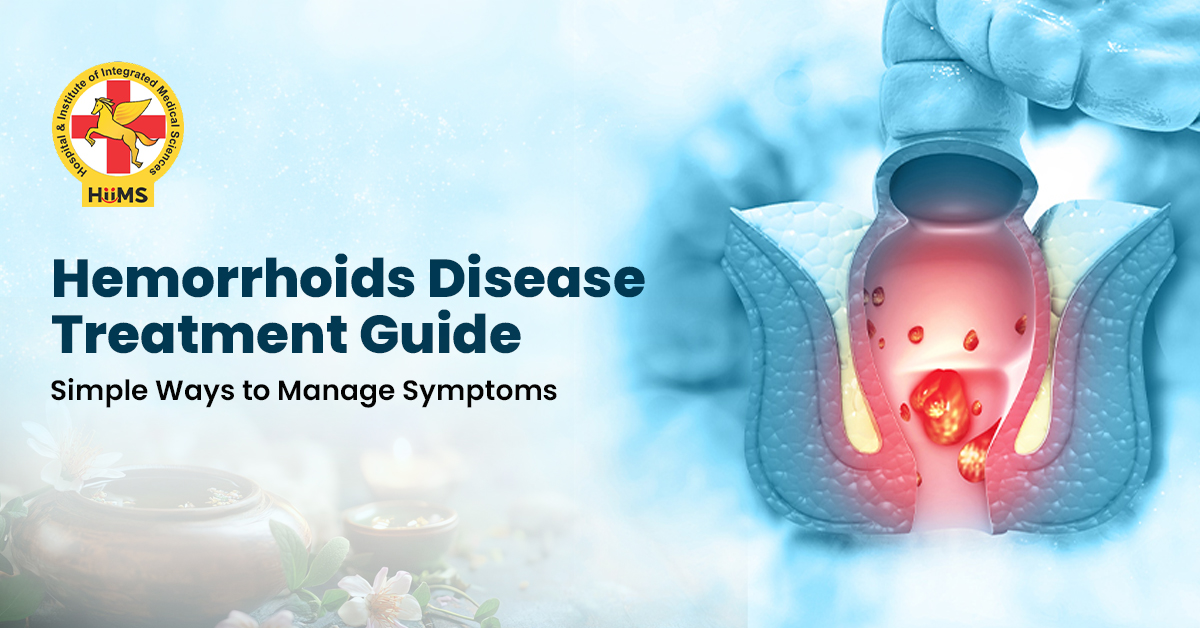
Haemorrhoids, also called piles, happen when veins around the rectum or anus become swollen.
One of the biggest reasons is chronic constipation and excessive straining during bowel movements. However, long hours of sitting, low-fibre foods, dehydration, obesity, poor digestion, pregnancy, and an inactive lifestyle can all gradually increase the risk.
In Ayurveda, weak digestion and unhealthy routines are believed to disturb the body’s natural balance, which may further worsen bowel discomfort and pressure internally.
The Signs Your Body Usually Gives First
Most pile problems don’t appear suddenly. The body usually gives signals early, but many people ignore them for too long.
Some common haemorrhoid symptoms include the following:
- pain or burning during bowel movement
- itching around the anal area
- swelling or discomfort while sitting
- Bleeding during stool
- feeling like the bowel hasn’t cleared properly
Over time, constipation, long sitting hours, low-fibre food, poor water intake, stress, and weak digestion slowly increase the pressure on the rectal veins.
Simple Ayurvedic Therapies That Help in Haemorrhoid Disease Treatment
Basti Therapy
Basti is a warm herbal enema therapy often used in Ayurveda for cleansing the bowels and balancing the Vata dosha.
It helps to soften stool, improve bowel movement, and reduce the strain that many people feel during bowel movements.
In Ayurveda, it is believed that many diseases begin when toxins and waste accumulate inside the body over time. When you remove these impurities properly, and the body starts cleansing naturally, healing and balance gradually return.
Kshar Sutra Therapy
Kshar Sutra is an ancient Ayurvedic remedy for piles and other related disorders that uses medicated herbal thread for natural treatment. It is often used for increased swelling and pain.
Herbal Support
Ayurvedic herbs such as the following:
Triphala
Haritaki
Giloy
Neem
Guggul
They are often used to support digestion, reduce inflammation, and restore regularity naturally.
Most people searching “how to get rid of piles” are usually just tired of the discomfort and want immediate relief. But piles often improve gradually when constipation reduces, digestion improves, pressure decreases, and the body starts healing consistently.
The Part Most People Ignore: Daily Habits
This part sounds simple, but it matters more than people think.
Long sitting hours, processed food, poor sleep, dehydration, spicy food, and constantly delaying bowel movements quietly make piles worse over time.
Small habits that may support recovery:
- eating fibre-rich meals
- drinking enough water
- walking daily
- avoiding excessive straining
- Reducing spicy and processed food
- improving digestion naturally
Ayurveda focuses heavily on these routine corrections because real healing usually depends on what the body experiences every single day.
When It’s Better to Seek Proper Guidance
Many people keep trying random home remedies for months because they feel embarrassed discussing piles openly.
But if pain, bleeding, swelling, or discomfort keeps returning, proper guidance becomes important. Ignoring the condition for too long can make things more difficult physically and emotionally.
This is where consulting a good piles treatment doctor or visiting a supportive piles hospital may help you understand what your body actually needs underneath.
For people who feel hesitant about visiting a clinic immediately, Jeena Sikho HiiMS VOPD (video consultation) also allows them to connect with experts from home and understand what kind of support their body may need. Book an appointment today.

Centres like Jeena Sikho HiiMS follow an Ayurvedic and integrated approach where digestion, bowel habits, lifestyle, and therapies are looked at together for haemorrhoid disease treatment.
Conclusion
Piles can quietly affect comfort, confidence, routine, and peace of mind more than people realise. But the good thing is that the body often responds well when digestion improves, pressure reduces, and healing is approached more naturally and patiently.
A supportive haemorrhoid disease treatment approach through Ayurveda focuses not only on symptoms but also on helping the body feel lighter, calmer, and more balanced again. And sometimes, recovery begins the moment you stop ignoring what your body has been trying to tell you for a long time.
Also read about
Piles Treatment without surgery
FAQs
1. What are the common symptoms of haemorrhoids?
Pain during bowel movements, itching, swelling, discomfort while sitting, and bleeding during stool are some common signs.
2. What usually causes piles or haemorrhoids?
Constipation, excessive straining, long sitting hours, low-fibre food, and poor digestion often increase pressure around the anal area.
3. How does Ayurveda help in haemorrhoid disease treatment?
Ayurveda focuses on improving digestion, reducing constipation, balancing lifestyle habits, and supporting natural healing through therapies and herbs.
4. Which Ayurvedic therapies are commonly used for piles?
Therapies like Basti and Kshar Sutra are commonly used in Ayurveda to help manage piles naturally.
5. When should someone consult a piles-treatment doctor?
Frequent pain, bleeding, swelling, or discomfort that keeps returning may need proper medical or Ayurvedic guidance.