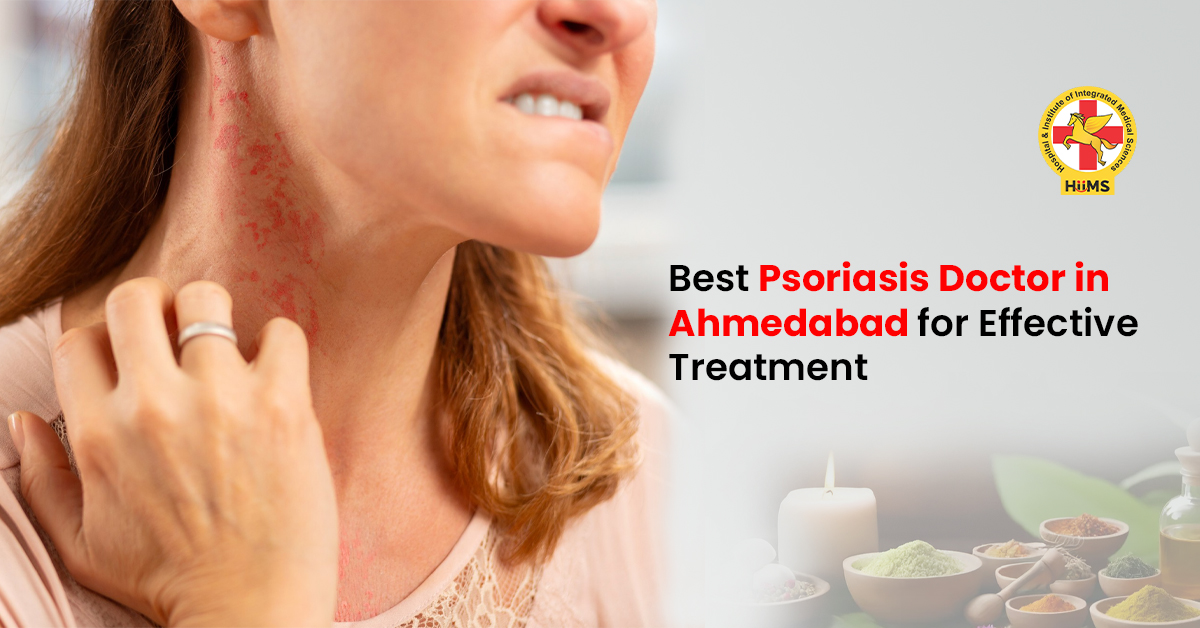

Psoriasis is a long-term skin problem that can make life uncomfortable. It causes red, thick, and scaly patches on the skin. Many people feel pain, itching, and even embarrassment because of it. If not treated on time, the problem may keep coming back again and again. That is why it is important to consult a trusted doctor who understands the condition well and gives proper guidance.
The right doctor explains the cause, triggers, and methods to manage psoriasis, rather than only prescribing medicines. Psoriasis cannot be transmitted to others. It is mainly related to the immune system and can get worse due to stress, unhealthy food, weather changes, or skin injury.
At Jeena Sikho HiiMS Ahmedabad, the psoriasis specialist addresses the root causes to help patients control their symptoms. This blog explains the condition, its signs, and available treatments in a simple way.
What is Psoriasis?
Psoriasis is a skin condition in which skin cells grow very fast. Because of this fast growth, thick patches form on the skin. These patches are usually red with white or silver scales on top. It can appear on the scalp, elbows, knees, back, or even nails.
The problem may increase during winter or when a person is under stress. Though it cannot be fully cured in many cases, it can be managed properly with the right treatment and care from a skilled psoriasis doctor.
Common Psoriasis Symptoms
Understanding psoriasis symptoms at an early stage is very important. Early care can help control the condition better. Some common signs include:
- Red patches on the skin
- White or silvery scales
- Dry and cracked skin that may bleed
- Itching or burning feeling
- Thick nails or nail damage
In some people, joint pain may also happen. This condition is called psoriatic arthritis. If you notice these symptoms for a long time, it is better to consult a doctor without delay.
Why You Need a Psoriasis Specialist
Psoriasis is not just a simple skin allergy. It is an immune-related disorder. Using random creams or home remedies without guidance may not help. A psoriasis specialist evaluates your skin, medical history, and lifestyle before recommending treatment.
A specialist can guide you about triggers like stress, smoking, alcohol, and an unhealthy diet. They also monitor your progress and change medicines if needed. Proper guidance reduces flare-ups and improves your confidence.
Seeing a skilled psoriasis doctor helps you get proper guidance and effective treatment.
How is Psoriasis Diagnosed?
Diagnosis typically involves examining the skin. The doctor observes the affected area and inquires about your symptoms. Occasionally, a small skin sample is taken for testing.
There is no single blood test for psoriasis. So, it is important to share complete details about your health with your doctor. This helps in planning the best treatment for you.
Treatment Options Available for Psoriasis
Treatment varies with the severity of the condition. It focuses on easing redness, stopping itching, and slowing rapid skin cell growth.
In many cases, doctors suggest:
- Medicated creams and ointments
- Moisturizers to reduce dryness
- Light therapy
- Oral medicines in severe cases
If you visit a trusted hospital, you will receive complete care under medical supervision. The goal of a reputable psoriasis treatment hospital is to control the symptoms and improve the skin health safely.
Ayurvedic Approach for Managing Psoriasis
At Jeena Sikho HiiMS Ahmedabad, natural and holistic methods are used to manage psoriasis in a safe way. The focus is on reducing the inflammation, cleaning the toxins from the body, and supporting the skin’s healing from inside.
In Ayurveda, care begins with detoxification, which helps remove toxins and restore energy balance. Redness and itching are treated with herbal pastes known as lepa. Oils prepared from Anantmool, Bawchi, Aloe Vera, and coconut oil keep the skin moisturized and reduce irritation.
Special cleansing therapies under Panchakarma are also used in selected cases. These therapies support internal purification and improve overall health. They prepare the body for better healing.
Herbal treatments including neem, turmeric, and manjistha aid in blood cleansing, reduce inflammation, and promote immune health.
Eating home-cooked food, avoiding heavy or spicy dishes, drinking sufficient water, and getting enough rest are essential for patients. Stress management through the yoga and meditation plays a big role in the long-term recovery.
Regular follow-ups and guidance are provided so that improvement continues. The purpose is sustained skin care, beyond immediate relief.
How to Choose the Best Psoriasis Doctor in Ahmedabad
When searching for the right psoriasis doctor, keep these points in mind:
- Check the doctor’s experience.
- Look for the patient reviews.
- Ask about the treatment options.
- Choose a doctor who explains the things clearly.
Patient and understanding doctors build trust, which plays a key role in recovery.
Importance of Early Treatment
Ignoring the symptoms of psoriasis may lead to more discomfort. The patches may spread, and itching can become severe. Early consultation with a psoriasis specialist can prevent the condition from becoming worse.
Timely treatment improves skin appearance and also reduces mental stress. Patients with visible patches may struggle emotionally, yet consistent care improves both their appearance and confidence.
Lifestyle Tips to Manage Psoriasis
Along with medical treatment, small lifestyle changes can help:
- Keep skin moisturized daily
- Avoid scratching
- Manage stress
- Eat healthy food
- Avoid smoking and alcohol
These straightforward habits aid your psoriasis treatment and reduce the chances of flare-ups.
Conclusion
Psoriasis lasts long, yet with proper treatment, it can be managed. Early diagnosis and regular follow-up matter. If you are experiencing psoriasis symptoms, take them seriously. Speak to a knowledgeable doctor who can evaluate your condition properly.
A skilled specialist can help you find the safest and most suitable treatment plan. Visiting a trusted psoriasis treatment hospital such as Jeena Sikho HiiMS Ahmedabad provides structured care and ongoing support. With consistent treatment and good habits, living well with psoriasis is possible.
FAQs
1. What causes psoriasis?
Psoriasis occurs when the immune system speeds up skin cell production, causing thick, scaly patches.
2. Is psoriasis contagious?
No, psoriasis cannot be spread from person to the other person.
3. Can stress make psoriasis worse?
Symptoms may become more severe when stressed.
4. Does diet affect psoriasis?
Consuming healthy foods can reduce inflammation, but processed or spicy items may trigger issues in some people.
5. What are the common symptoms?
Red areas with flaky skin, dryness, cracks, itching, and possible joint soreness.