

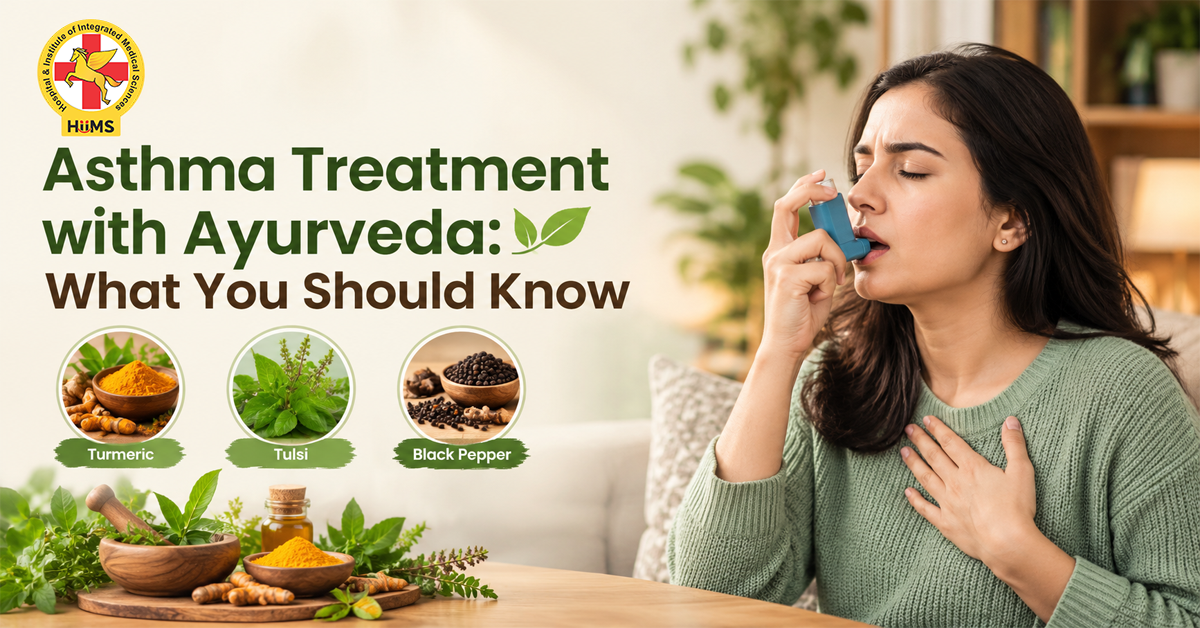

Wheezing at night, a cough that won’t settle, a chest that feels tight after a short walk. If that sounds like your week, you have probably searched for asthma treatment more than once and wondered whether Ayurveda has a place in it. It can be a supportive layer on top of proper medical care, not as a replacement.
This blog explains how Ayurveda for asthma works, which foods and daily habits are recommended, and how to stay safe while trying it.
How Serious is Asthma in India?
A study in Lung India used Global Burden of Disease data and found that India has 12.9% of the world’s asthma cases (34.3 million people) but 42.3% of global asthma deaths. The authors also found that actual sales of inhaled corticosteroids were only 6.8% of the expected amount, and states with lower sales had higher asthma deaths.
That is a link, not proof. Still, The Lancet Respiratory Medicine points in the same direction, noting that about 4000 pulmonologists serve 1.4 billion people. The takeaway is simple. Proper asthma treatment with a controller medicine comes first, and anything you add should sit alongside it.
Not sure whether your current plan is keeping asthma under control? Talk it through with our specialists before adding anything new.

What Does Ayurveda for Asthma Say?
Ayurveda calls asthma Tamaka Shwasa. It links the condition mainly to Kapha and Vata, with weak digestion letting mucus and toxins (Ama) build up in the breathing channels.
So Ayurvedic asthma treatment works on three things: clearing excess mucus, calming the airways, and correcting digestion, diet, and routine. Classical care has two parts. Shodhana means cleansing therapies like Vamana and Virechana, and Shamana means herbs and medicines that settle the imbalance.
What Does the Research on Ayurvedic Asthma Treatment Show?
This is where honesty matters, because the evidence is early.
- A 60-day trial: In a comparative study of 100 patients, the group given Vamana or Virechana + herbal medicines reported 60% to 90% relief from symptoms, against 46% to 92.68% in the medicine-only group. It was open-label and from a single centre.
- A single case: A Vamana case study recorded a 50% improvement in night awakenings and 60% in morning worsening in one patient.
- Yoga and breathing: A Cochrane review found moderate-quality evidence that yoga probably gives small improvements in quality of life and symptoms.
Ayurvedic Diet for Asthma: What to Eat and What to Limit
An Ayurvedic diet for asthma keeps meals light, warm, and freshly cooked:
- Fresh fruits and green vegetables
- Ginger, turmeric, tulsi, and lemon in everyday cooking
- Fried, packaged, and processed food is kept to a minimum
- Cold, heavy, and oily meals are avoided, since Ayurveda links them to more mucus
Acharya Manish Ji’s pH-balanced approach uses two plates. Plate 1 is raw seasonal fruits and vegetables eaten first. Plate 2 is a light cooked meal like daliya, poha, or a millet dish.
Ayurvedic Diet and Lifestyle for Asthma: Daily Habits
A good Ayurvedic diet and lifestyle for asthma also covers the rest of the day:
- Brahmari and Nadi Shodhan pranayama for 5 to 10 minutes daily
- A tulsi and giloy decoction, if your doctor agrees
- Some morning sunlight
- Keeping bedrooms dust-free and staying away from smoke
- Fixed sleep timings and a daily note of symptoms
Watch Patient Divya’s inspiring journey of overcoming Bronchial Asthma Symptoms & Treatment with Ayurveda. After 25–30 years of inhalers, injections and even the threat of oxygen cylinders, she found freedom through Mulethi, Small Cardamom, Brahmi, barefoot walking, pranayama and the DIP diet. Today, she lives inhaler free, proving that AsthmaTreatment and true healing lies in Ayurveda and the Yoga Benefits.
What Does Asthma Treatment at HiiMS Include?
Jeena Sikho HiiMS Sirsa builds care around four pillars:
- Shodhan (cleansing therapies): Vamana clears excess mucus and toxins from the stomach and chest, and Virechana cleanses the liver and intestines. Basti, Nasya, and Raktmokshana may be added based on the patient’s strength.
- Aahar (food): A raw, plant-based, pH-balanced diet and alkaline water with processed and fried food avoided to limit airway irritation.
- Vihar (lifestyle): Yoga to build breathing strength, plus meditation, grounding, and sunlight to lower stress and support vitamin D.
- Shaman (herbs): Formulations using Tulsi, Vasaka, Pippali, and Mulethi, traditionally used to ease congestion and calm the airways.
HiiMS also lists three case reports on Ayurvedic asthma management.
How Do You Use Ayurveda Safely Alongside Your Inhaler?
- Keep your controller and rescue inhalers exactly as prescribed
- Never stop or cut a dose on your own
- Tell your doctor and your Ayurvedic doctor about each other’s plans
- Take Vamana and other therapies only under supervision
- Go to emergency care if your inhaler isn’t helping, you can’t speak full sentences, or your lips turn blue
Conclusion
Ayurveda can support daily comfort through diet, breathing practice, and routine, and a few small studies are encouraging. It is not a stand-in for your inhaler.

If you need a plan that fits around your current care, you can book a VOPD consultation with Jeena Sikho HiiMS and go through your symptoms and triggers with their team.
FAQ’s
1) Can Ayurveda replace my asthma inhaler?
Ayurveda is used alongside prescribed medicines, and any change to your inhaler should come from your doctor.
2) Is Vamana safe for everyone with asthma?
It’s planned around the patient’s strength and condition and is done only under supervision, so a proper assessment comes first.
3) How long do breathing exercises take to help?
Studies report small gains in quality of life with regular practice over weeks. Results vary, so keep tracking your symptoms.
4) Which foods should I cut down first?
Start with fried, packaged, and processed foods, then notice whether cold or heavy meals make your breathing worse.
5) Are yoga and pranayama helpful for asthma?
They may support relaxation and breathing comfort for some people. Practise gently when symptoms are stable and seek guidance before starting.

Leave a comment