


Problems in digestion are prevalent, but alterations which occur for weeks together should never be ignored. A sudden alteration in bowel habits, blood in the stools, regular abdominal pain or unexpected loss of weight may sometimes indicate some underlying disease in the bowels which requires medical intervention. Not necessarily will it be a sign of cancer, but definitely worth a discussion with the doctor.
Colon cancer symptoms can vary from person to person, and some people may not notice clear signs in the early stages. According to the World Health Organization (WHO), colorectal cancer was the third most common cancer worldwide in the 2022, with about 1.9 million new cases reported.
Early detection of the symptoms of the disease will allow the people of Siliguri to get early medical assistance. In addition to proper cancer management, other factors like dietary habits, lifestyle and overall health might need some attention. The objective of this blog is to understand colon cancer symptoms, risks, treatments, and supportive care.
What Is Colon Cancer?
Colorectal cancer is one form of cancer whose origin is in the colon that forms part of the large intestine. The cancer develops as a result of uncontrolled cell division in the body.
Having digestive symptoms does not necessarily mean that someone has cancer since there are other factors that may bring about such symptoms. However, persistent or unusual changes should be medically evaluated. The National Cancer Institute provides detailed information about colon cancer, its diagnosis and treatment.
What Are the Common Colon Cancer Symptoms?
The colon cancer symptoms can differ from one person to another. Some people may have few or no noticeable symptoms at first.
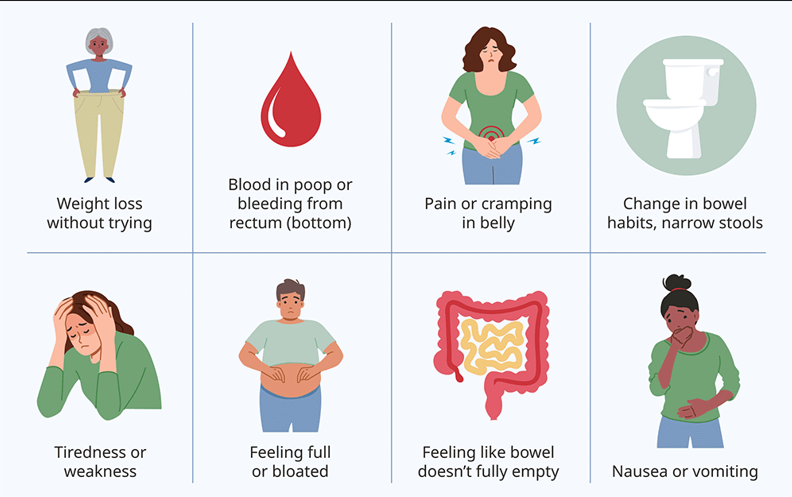
Some of the most common signs include:
- Changes in bowel habits: chronic diarrhoea, constipation or changes in colour/consistency of stools
- Blood in stool: Presence of bright red blood or black stools
- Abdominal pain: Chronic pains, cramps or bloating in the abdominal region
- Incomplete defecation: A sensation that your bowels have not been totally emptied
- Unexpected weight loss: Unexplained weight loss even after no modifications in eating and physical activities
The WHO highlights that iron deficiency anaemia is another sign associated with colorectal cancer.
The presence of any of these symptoms doesn’t necessarily mean cancer; however, persistent signs should never be overlooked.
What Are the Different Colon Cancer Types?
The most common type is adenocarcinoma, which begins in gland-forming cells of the colon lining.
It is also possible for doctors to classify colon cancer based on the stage and site of the cancer. The stage refers to how far along the development process of the cancer is.
What Are the Colon Cancer Causes?
There is no single cause of colon cancer. Several factors can increase the risk.
According to WHO, risk factors include an unhealthy diet, physical inactivity, excess body weight, tobacco use and alcohol consumption. Increasing age, family history and certain inherited conditions can also increase risk.
Having a risk factor does not mean a person will definitely develop cancer. Some people may also develop colon cancer without a known major risk factor.
What Is the Treatment for Colon Cancer?
The mode of treatment is determined by the stage of cancer, the site of cancer, the nature of cancer and the general health of the patient.
Surgery is one of the common methods of treatment, while other treatments may follow depending on the situation.
People should discuss their treatment plan with their oncologist. Ayurvedic care should not replace recommended cancer treatment.
What Is the Ayurvedic Approach to Colon Cancer?
Ayurveda places emphasis on digestion, diet, daily schedule, and balance. The individual who is receiving treatment for cancer can use Ayurvedic methods along with conventional treatments.
It can involve dietary suggestions, appropriate schedules, moderate exercise, and relaxation techniques.
According to the National Center for Complementary and Integrative Health (NCCIH), complementary therapies can be used in addition to traditional cancer therapy but cannot take the place of established cancer treatment. In addition, it is suggested to talk about any supplements and herbs with the healthcare providers since they can affect the cancer drugs.
How Can Jeena Sikho HiiMS Support Ayurvedic Care?
At Jeena Sikho HiiMS, an Ayurvedic and integrative approach may consider the individual’s diet, lifestyle, daily routine and overall health.
Depending on the assessment, supportive guidance may include personalised diet planning, lifestyle guidance and suitable Ayurvedic wellness practices. Such care should be coordinated with the person’s oncology team, especially during chemotherapy, radiation or other active cancer treatment.
For personalised guidance, you can consult our expert doctor at Jeena Sikho HiiMS to understand how Ayurvedic supportive care may fit alongside your ongoing cancer treatment.

What Ayurvedic Diet and Lifestyle Support May Help?
Diet and lifestyle should be personalised according to treatment, digestion, appetite and nutritional needs.
- Balanced meals: Take balanced meals which are easily digestible.
- Nutrition: Include good protein, calorie, vitamin, and mineral nutrition in your diet.
- Fluid intake: Take enough fluids unless advised by your doctor otherwise.
- Light exercises: Walking or other light exercises may be undertaken as per your energy.
- Stress management: Mediation, breathing techniques, and relaxation may help to manage your mood.
- Routine: Taking your sleep time and mealtime correctly may help you maintain routine.
There is no specific Ayurvedic diet plan for patients of colon cancer.
When Should You Seek Medical Attention?
Persistent blood in the stool, continuing bowel changes, unexplained weight loss, ongoing abdominal pain or unusual fatigue should be discussed with a healthcare professional.
Early evaluation can help identify the cause of symptoms and, when necessary, allow appropriate treatment to begin sooner.
Conclusion
Understanding colon cancer symptoms can help people recognise changes that deserve medical attention. Blood in stool, persistent bowel changes, abdominal discomfort, unexplained weight loss and fatigue should not be ignored when they continue.
Treatment for colon cancer is dependent on the stages and the health condition of the patient. While proper oncological treatment is necessary, a personalised approach to diet and lifestyle could aid in well-being.
For those who might be looking into the treatment of colon cancer through Ayurveda, they need to know that Ayurveda must be used as a complementary therapy and be talked about with their treating physicians. Jeena Sikho HiiMS could help with such an approach. Book a free consultation with Jeena Sikho HiiMS for personalized guidance.

FAQs
1. What are the early colon cancer symptoms?
Possible signs include changes in bowel habits, blood in stool, abdominal discomfort, unexplained weight loss and persistent tiredness.
2. What are the common colon cancer causes?
Risk may be influenced by age, family history, inherited conditions, diet, physical inactivity, excess weight, tobacco and alcohol use.
3. Can Ayurvedic practices help in colon cancer management?
Ayurvedic medicine can be used to complement one’s diet and health in addition to proper cancer therapy.
4. Which diet should be followed during colon cancer management?
This will vary depending on the patient’s particular case and their dietary requirements.
5. Is there a treatment for colon cancer through Ayurveda?
Ayurvedic approaches may be considered complementary supportive care. Current evidence does not establish Ayurveda as a replacement for standard cancer treatment.

Leave a comment