


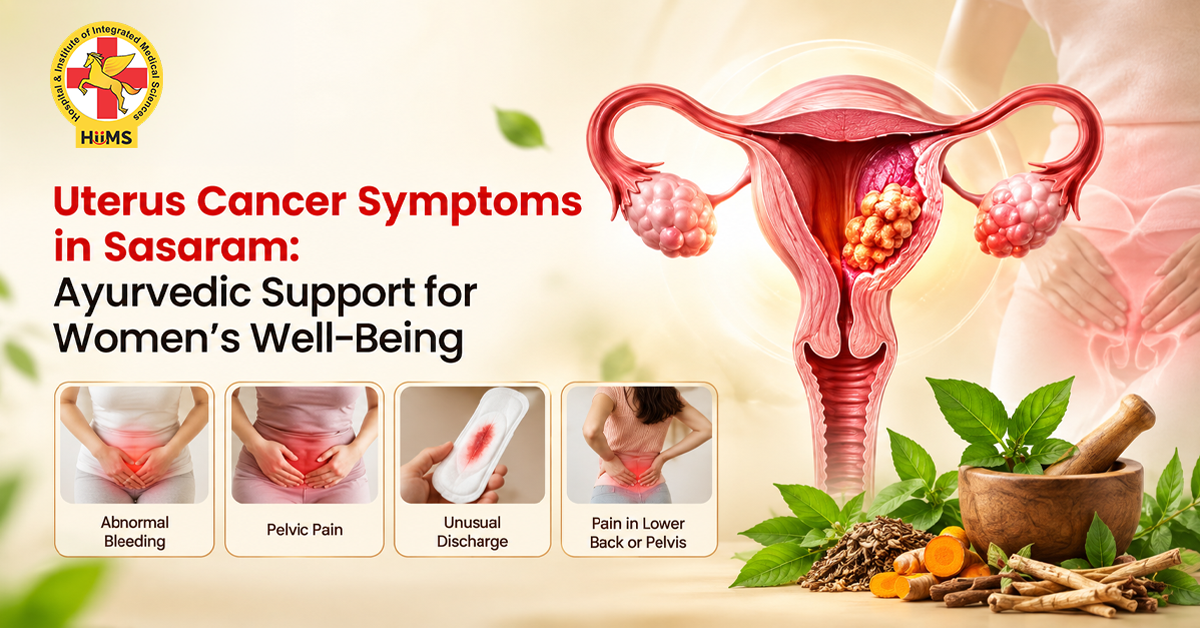
A lot of women see bleeding after menopause and just think it’s their body settling down or some small hormonal change. But this is actually one of the more common early signs of uterus cancer, and it often gets missed simply because it’s not taken seriously in time.
If you’re trying to understand uterus cancer symptoms and want to know how a more natural, Ayurveda-based approach fits alongside proper medical care in Sasaram, this blog covers exactly that, from what the condition actually is to what supportive care can offer.
What is Uterus Cancer, and How Common Is It?
What is uterus cancer in simple terms? It’s cancer that grows inside the lining of the uterus. According to WCRF data based on figures from 2022, India recorded around 17,240 new cases that year, placing it fifth in the world by number of cases.
It isn’t one of India’s biggest cancers like breast or cervical cancer, but the numbers are climbing alongside things like obesity and diabetes, which are known to raise the risk.If irregular bleeding has been bothering you for a while, it’s worth getting it checked with Jeena Sikho HiiMS doctors rather than waiting it out.
What Are the Types of Uterus Cancer?
Knowing the types of uterus cancer helps explain why care looks different from person to person. The most common type starts in the lining of the uterus and is called endometrial cancer.
A less common type, called uterine sarcoma, grows in the muscle wall of the uterus instead and tends to behave more aggressively. Knowing which type someone has shapes how it’s watched and managed going forward.
What Are the Early Uterus Cancer Symptoms to Watch For?
Catching the symptoms of uterine cancer early is very important. This type of cancer is often diagnosed earlier than many other types of cancer. Things to look out for include:
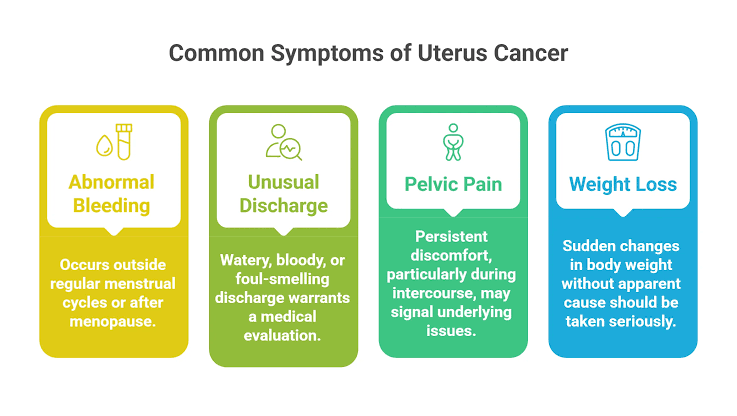
- Bleeding after menopause
- Bleeding between periods or unusually heavy periods
- Watery or blood-tinged discharge
- Pain or heaviness in the lower belly
- Pain during intimacy
What Causes Uterus Cancer?
There isn’t one single reason behind it. Common uterus cancer causes and risk factors include:
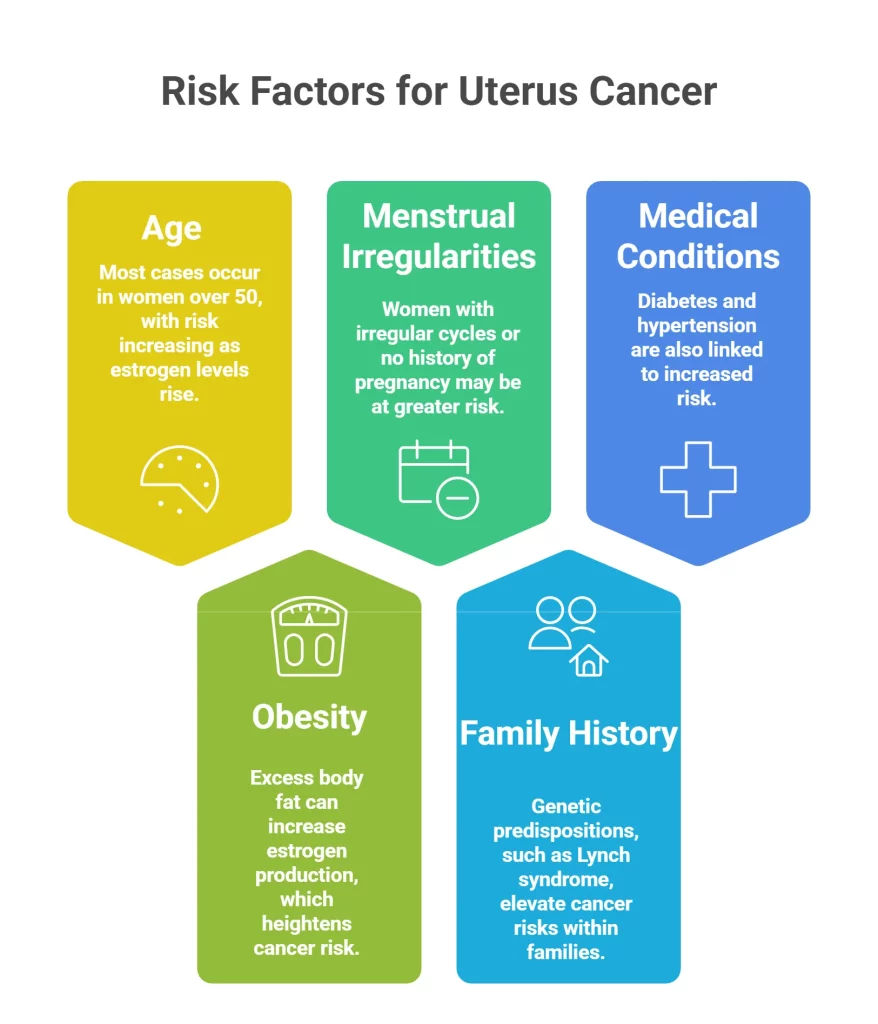
- a hormone imbalance where one hormone rises without enough of the other to balance it out,
- being overweight, which changes the body’s hormone levels,
- having periods for more years due to starting early or menopause coming late,
- being older after menopause, and certain hormone-based treatments used for breast cancer.
Holistic Care for Uterus Cancer – Where Ayurveda Fits In
Holistic care for uterus cancer isn’t meant to replace whatever your doctor has already prescribed. Instead, it complements that treatment, emphasising the patient’s overall strength, digestion and emotional stability through what is often a long, exhausting period for the patient and family.
What Does Jeena Sikho HiiMS Offer as Holistic Care for Uterus Cancer?
At Jeena Sikho HiiMS Sasaram, supportive care for cancer patients typically includes a few things working together:
-
- Golden Therapy: an external detox method where a herbal paste made from ingredients like neem, banyan leaves, bitter gourd, raw turmeric, and peepal leaves is applied and gently pressed onto the skin. This is meant to support the body’s natural cleansing process from the outside, alongside whatever else the patient is already doing for treatment.
- Cancer Detox Juice: made using green leafy vegetables, ginger, mint, coriander, curry leaves, guava leaves, raw turmeric, beetroot, and amla. It is taken slowly as part of the daily routine, meant to help the body flush out impurities and support digestion through a difficult stretch.
- Panchakarma-based detox therapies, including options like Virechana and Basti, are planned around the patient’s current strength and stage rather than given as a fixed routine to everyone.
- Personalised diet and herbal support, along with yoga and calming practices to help patients cope with the emotional weight of what they’re going through.
Conclusion
Uterus cancer symptoms are often easy to overlook, especially bleeding patterns that women assume are just part of getting older. Catching things early and having proper support through whatever comes after genuinely shapes how manageable the whole journey feels.
If you or someone you know is going through this and wants to understand how a supportive, natural approach could fit alongside their existing care, you can book a Free consultation with Jeena Sikho HiiMS and talk with our team.

FAQ’s
1) Is bleeding after menopause always a sign of uterus cancer?
Not always, but it should never be ignored. It’s one of the most common early signs and is worth getting checked by a doctor.
2) Does being overweight really increase the risk of uterus cancer?
Yes, extra body weight can change hormone levels in the body in ways that raise the risk of this type of cancer.
3) Can Ayurvedic care be combined with what my doctor has already prescribed?
Many patients do combine supportive Ayurvedic care with their existing treatment, but this should always be discussed openly with their doctor first.
4) Is uterus cancer more common after menopause?
Yes, being older and past menopause is one of the bigger risk factors, which is part of why bleeding at this stage should be checked without delay.
5) What does Golden Therapy actually involve?
It’s a herbal paste applied to the skin as part of the body’s external detox support, used alongside a patient’s regular treatment plan.