

When someone hears about colon cancer, one of the first questions that comes to mind is what actually causes it. The answer is not as simple as pointing to one food, one habit, or one health problem. Colon cancer can develop through a combination of changes in the cells of the colon, age, family history, inherited conditions, existing bowel problems and certain lifestyle patterns. Some of these factors are beyond a person’s control, while others are connected with everyday choices that can be improved over time.
Understanding the colon cancer causes is useful because it changes the focus from fear to awareness. It also helps people recognise why maintaining a healthy routine and paying attention to unusual changes in digestion can matter.
In this blog, we will look at how colon cancer develops, the factors that can raise its risk, the symptoms worth discussing with a doctor, what the stages indicate, and how healthy habits can support better colon health.
How Does Colon Cancer Develop?
The colon is the main part of the large intestine and plays an important role in processing the remaining contents of food after most nutrients have been absorbed. Like other cells in the body, cells lining the colon normally grow, divide and renew themselves in an orderly way. When changes in these cells affect their normal growth, an abnormal growth called a polyp may form.
What Are the Main Colon Cancer Causes and Risk Factors?
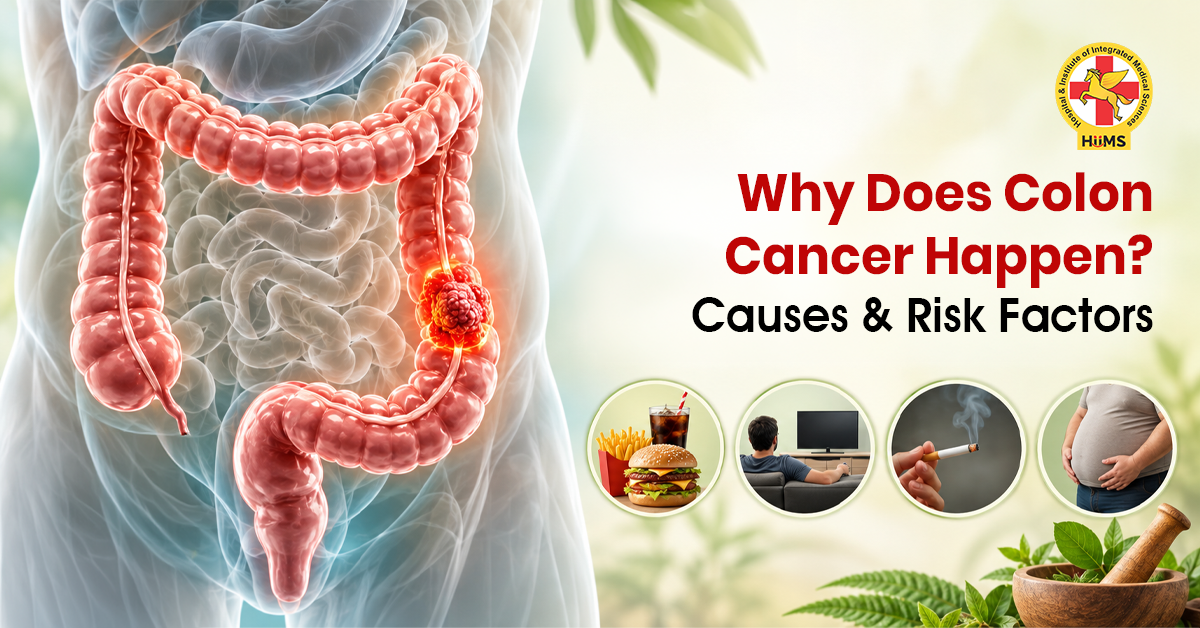
There is not one explanation behind the development of this disease. The recognised colon cancer causes are better understood as a group of factors that can increase a person’s likelihood of developing it.
Age and Family History
Age is an important factor, with risk generally increasing as people get older. Family history also deserves attention, particularly when a parent, sibling or child has had colorectal cancer or certain types of polyps. Some inherited conditions, including Lynch syndrome and familial adenomatous polyposis, can further increase risk.
Having a family history does not mean that cancer will definitely develop. It simply means that a person may need to discuss their individual risk and screening needs with a qualified healthcare professional.
Food and Lifestyle Patterns
Everyday habits can also influence long-term risk. A dietary pattern that contains little fiber and frequent amounts of processed meat or high amounts of red meat has been associated with a greater risk of colorectal cancer. Physical inactivity, excess body weight, smoking and regular alcohol consumption are also recognised risk factors.
These points should not be interpreted as proof that one particular food or habit directly causes cancer. Risk usually reflects several factors working together over a person’s lifetime.
Long-Term Bowel Conditions
Certain health conditions can make the colon more vulnerable. Long-standing inflammatory bowel diseases, including ulcerative colitis and Crohn’s disease, are associated with an increased risk of colorectal cancer. A previous history of colorectal cancer or certain high-risk polyps can also affect future risk.
If you have persistent bowel changes, unexplained bleeding or other concerning symptoms, consider taking a VOPD consultation with the expert doctors at Jeena Sikho HiiMS to understand what may be behind them.

Can Daily Habits Affect Colon Health?
The way a person eats and lives each day may seem unrelated to long-term bowel health, but these patterns can add up over the years. Spending most of the day sitting, eating heavily processed foods regularly and getting very little physical activity are habits worth reconsidering.
A practical routine can include more vegetables, fruits, pulses and whole grains, along with regular walking or other suitable physical activity. Maintaining a healthy body weight and avoiding tobacco can also make a meaningful difference to overall health.
From an Ayurvedic perspective, food habits, digestion, daily routine and balance are given considerable importance. These principles can encourage a more mindful approach to everyday health without presenting Ayurveda as a substitute for medical diagnosis or cancer treatment.
What Colon Cancer Symptoms Should You Not Ignore?
Some people may not notice clear symptoms in the early stages, which makes awareness and appropriate screening important. When symptoms do occur, colon cancer symptoms may include a lasting change in bowel habits, blood in the stool, ongoing abdominal discomfort, constipation or diarrhoea, a feeling that the bowel has not emptied completely, unexplained weight loss, tiredness or weakness.
These signs can also occur with conditions that are not cancer. However, a bowel change that persists, keeps returning or seems unusual for you deserves proper medical attention rather than being ignored.
What Do Colon Cancer Stages Tell You?
If cancer is diagnosed, colon cancer stages describe how far it has developed and whether it has spread beyond the original area. Stage 0 refers to abnormal cells limited to the innermost lining, while Stages I and II generally describe cancer that has grown into or through the colon wall. Stage III involves nearby lymph nodes, and Stage IV indicates spread to distant parts of the body. The stage helps the medical team understand the extent of disease and plan appropriate treatment.
How Can You Lower Your Risk Naturally?
Not every risk can be changed, but several everyday choices are within your control. A balanced diet containing vegetables, fruits, pulses and whole grains can provide fibre and support healthy bowel function. Regular physical activity, maintaining a healthy weight, avoiding tobacco and limiting alcohol are also sensible steps for lowering colorectal cancer risk.
It is equally important not to rely on lifestyle changes alone when symptoms or a strong family history are present. Recommended screening can identify certain polyps before they become cancerous and can help detect cancer earlier.
Ayurveda can add a wellness-focused perspective by encouraging attention to food quality, digestion, daily routine, physical activity and individual needs. At Jeena Sikho HiiMS, people exploring an Ayurvedic approach can seek guidance that considers these aspects alongside the need for appropriate medical evaluation.
Understanding Colon Cancer Through a Whole-Health Approach
Looking at bowel health only through one factor can leave important questions unanswered. A more complete approach considers food, movement, weight, family history, existing health conditions and changes in the body together.
Jeena Sikho HiiMS focuses on an individualised Ayurvedic perspective on health and lifestyle, while people with concerning symptoms or a confirmed diagnosis should continue to seek appropriate medical assessment and treatment.
Conclusion
The colon cancer causes cannot usually be reduced to one reason. Age and family history may increase risk, while certain dietary and lifestyle patterns, smoking, alcohol use, excess weight and long-term bowel inflammation can also play a role. Knowing these factors does not mean living in fear; it means understanding where greater awareness may be useful.
A balanced diet, regular movement, healthy body weight and avoidance of tobacco can form part of a healthier routine. Paying attention to persistent bowel changes and following appropriate screening advice is equally important, particularly for people with increased risk.
For those interested in Ayurveda, a lifestyle-centred approach can encourage greater awareness of food, digestion and daily habits. If you are experiencing symptoms or want to understand your individual health concerns, you can discuss your concerns with experts at Jeena Sikho HiiMS.
FAQs
Q1: What can increase a person’s risk of colon cancer?
Age, family history, certain inherited conditions, inflammatory bowel disease and some long-term lifestyle patterns can increase the likelihood of developing it.
Q2: At what age does colon cancer risk become more important?
The risk generally increases with age, making age-appropriate screening and awareness of bowel changes increasingly important as a person gets older.
Q3: What changes in bowel habits deserve attention?
Persistent constipation, diarrhoea, changes in stool pattern or a feeling of incomplete bowel emptying can be reasons to seek professional medical advice.
Q4: Does having a family member with colon cancer affect personal risk?
A close family history can raise personal risk, especially when cancer or certain polyps have occurred in a parent, sibling or child.
Q5: What lifestyle habits can help support colon health?
Regular physical activity, a balanced fibre-rich diet, healthy body weight, avoiding tobacco and limiting alcohol can contribute to better long-term health.