

A relative of mine started adding just one additional serving of vegetables and a slightly earlier bedtime after her doctor find out borderline cholesterol, nothing dramatic, only small changes. Turns out, that kind of small, boring consistency is exactly what research keeps pointing to.
If you are looking for genuine ways to reduce heart attack risk, the answer isn’t some extreme overhaul; it’s a handful of daily habits that, done consistently, actually move the needle. This blog breaks down what current research says works.
How Much Can Lifestyle Actually Reduce Heart Attack Risk?
More than most people assume. A 2026 statement from the American Heart Association notes that early and consistent healthy lifestyle choices could help prevent up to 80% of heart disease and stroke cases.
Separately, a study published in the European Journal of Preventive Cardiology, covering over 53,000 participants, found that just 11 extra minutes of sleep, 4.5 more minutes of moderate activity, and a quarter cup more vegetables each day were linked to a 10% drop in major cardiovascular events over eight years. When combined into an overall healthier pattern, that reduction jumped to 57%.
If you’ve recently gotten a borderline cholesterol or BP reading, it’s worth discussing a personalised plan with our doctor rather than waiting for things to escalate.
What Does a Heart Healthy Diet Look Like?
The AHA’s 2026 scientific statement, published in Circulation, lays out nine specific dietary steps rather than vague advice. A genuine heart healthy diet centres on:
- Plenty of fruits, vegetables, and whole grains
- Plant-based proteins like legumes and nuts over processed meat
- Unsaturated fats instead of saturated ones
- Limited added sugar, especially in beverages
- Reduced sodium, mainly by minimising processed and packaged food
- If you don’t drink alcohol, there’s no need to start
The statement explains that dietary cholesterol is no longer a primary concern for most people. Instead, the overall eating pattern matters more than any single nutrient.
Natural Heart Health Tips Beyond Just Food
Diet is one piece, but natural heart health tips go well beyond the plate. Managing stress, avoiding tobacco completely, and keeping blood pressure and blood sugar under regular check all play a role that’s just as significant as what you eat.
Ways to Reduce Heart Attack Risk Through Movement
Exercise genuinely earns its reputation here. A Cochrane review covering 107 randomised trials and nearly 27,000 people with coronary heart disease found that exercise-based cardiac rehabilitation reduces hospital admissions by a third and heart attack risk by more than a quarter, with benefits holding up long-term.
You don’t need intense training either; the study behind the 10% risk reduction mentioned earlier only required a few extra minutes of activity daily.
Does Sleep Really Matter for Heart Health?
Yes, and it’s one of the most underrated ways to reduce heart attack risk out there. That same 53,000-person study found sleep was one of three factors, alongside activity and diet, directly tied to lower cardiovascular event rates.
Poor or inconsistent sleep keeps stress hormones elevated, which quietly works against everything else you’re doing right.
Healthy Heart Tips From Ayurveda
Ayurveda refers to the heart as Hridaya, treating it as the centre of circulation and overall vitality rather than just a mechanical pump. According to this understanding, weak digestion allows toxins, called Ama, to build up gradually, disturbing blood flow over time. These heart-healthy tips are meant to fix that root imbalance through diet, routine and specific therapies, not just by tracking numbers on a report.
How Does HiiMS Support Heart Health Naturally?
At Jeena Sikho HiiMS Rohtak, natural heart support typically combines a few things.
- Practitioners use Hridaya Basti to hold warm medicated oil over the chest in a controlled manner. Ayurveda traditionally uses this therapy to promote relaxation and comfort.
- Practitioners may also recommend Rakhtamokshana, a personalised pH-balanced diet, and herbal formulations containing Arjuna, Guggulu, and Ashwagandha as part of Ayurvedic care. Ayurveda traditionally values these herbs for supporting heart health and healthy cholesterol levels.
These approaches serve as supportive measures and should not replace prescribed heart medication or medically recommended treatment.
Conclusion
The research is pretty consistent here: small, sustainable changes to sleep, movement, and diet genuinely add up to meaningfully reduce heart attack risk over time.
You don’t need to overhaul your entire life overnight; just start with one or two habits and build from there. If you want to explore a natural, Ayurveda-based approach alongside your existing care, you can book a VOPD consultation with Jeena Sikho HiiMS and talk through your specific case with our team.
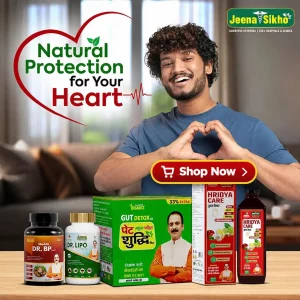
Try our all-in-one heart care combo to support better heart health, recommended by Acharya Manish Ji.
FAQ’s
1) Can small lifestyle changes really make a measurable difference?
Yes, recent research shows even modest daily changes in sleep, activity, and diet are linked to significantly lower cardiovascular event rates over several years.
2) Is cutting dietary cholesterol still considered essential?
According to the AHA’s 2026 guidance, dietary cholesterol is no longer a primary focus for most people. Instead, the overall dietary pattern matters more for heart health.
3) How much exercise is truly needed to lower risk of heart attack?
Even a few extra minutes of moderate physical activity each day can help reduce health risks. Structured programs, such as cardiac rehabilitation, can also benefit people with existing heart conditions.
4) Can Ayurvedic therapies be combined with regular cardiac treatment?
Many people do combine both, but it’s important to keep your cardiologist informed so everything stays properly coordinated.
5) Does sleep quality genuinely affect heart health?
Yes, poor or inconsistent sleep has been directly linked to higher cardiovascular risk in recent large-scale studies.

Leave a comment