


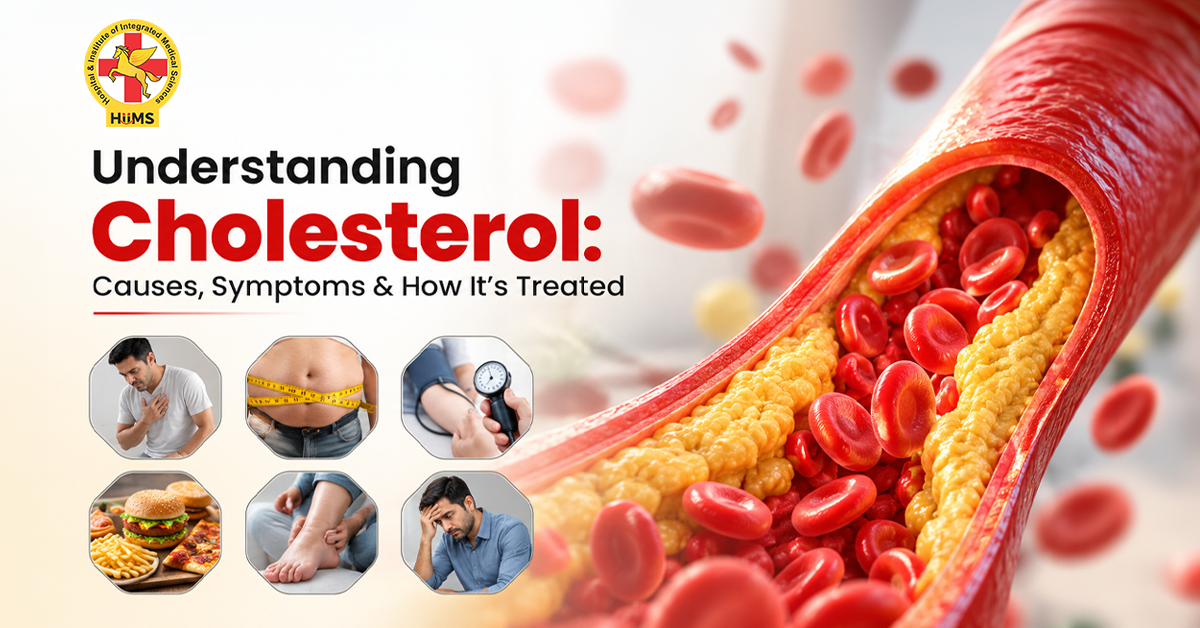
High cholesterol often develops quietly, with no obvious symptoms, and is usually detected during a routine lipid profile rather than through physical signs. If you’re looking for cholesterol treatment, it’s important to first understand what your cholesterol levels indicate and how simple lifestyle changes can help improve them.
In this blog, we’ll discuss how to reduce high cholesterol through healthy eating habits, daily lifestyle modifications, and the Ayurvedic perspective on cholesterol management. We’ll also explore what a holistic, supportive care plan may include for better heart health.
What Do Your Cholesterol Numbers Actually Tell You?
The CDC points out that high cholesterol has no symptoms and that about 86 million US adults have total cholesterol above 200 mg/dL, with nearly 25 million above 240 mg/dL. That’s why a simple blood test matters more than waiting to feel something. The CDC also suggests testing at least once every 4 to 6 years if you don’t have heart disease, and more often for some people, so ask your doctor for the schedule that fits you.
Have a lipid report you can’t make sense of? Bring it to a short online consultation with Jeena Sikho HiiMS and get it explained in simple language.

What Pushes Cholesterol Up in the First Place?
There’s rarely one cause. The CDC’s list of risk factors includes:
- Eating a lot of saturated and trans fats
- Excess weight, which is linked to higher LDL and triglycerides
- Type 2 diabetes
- Family history, including an inherited condition called familial hypercholesterolemia
- Low physical activity
How to Reduce High Cholesterol Without Overcomplicating It?
The basics are less dramatic than most people expect. The CDC recommends choosing foods lower in saturated and trans fats and maintaining a healthy weight. Mayo Clinic suggests working up to at least 30 minutes of brisk walking, five days a week, with your doctor’s approval.
If you’ve been prescribed cholesterol medicine, keep taking it as directed while you make these changes. Knowing how to reduce high cholesterol matters less than repeating a few habits every week.
Cholesterol Diet and Lifestyle: What a Practical Day Looks Like
A cholesterol diet and lifestyle plan works best when it fits an ordinary day:
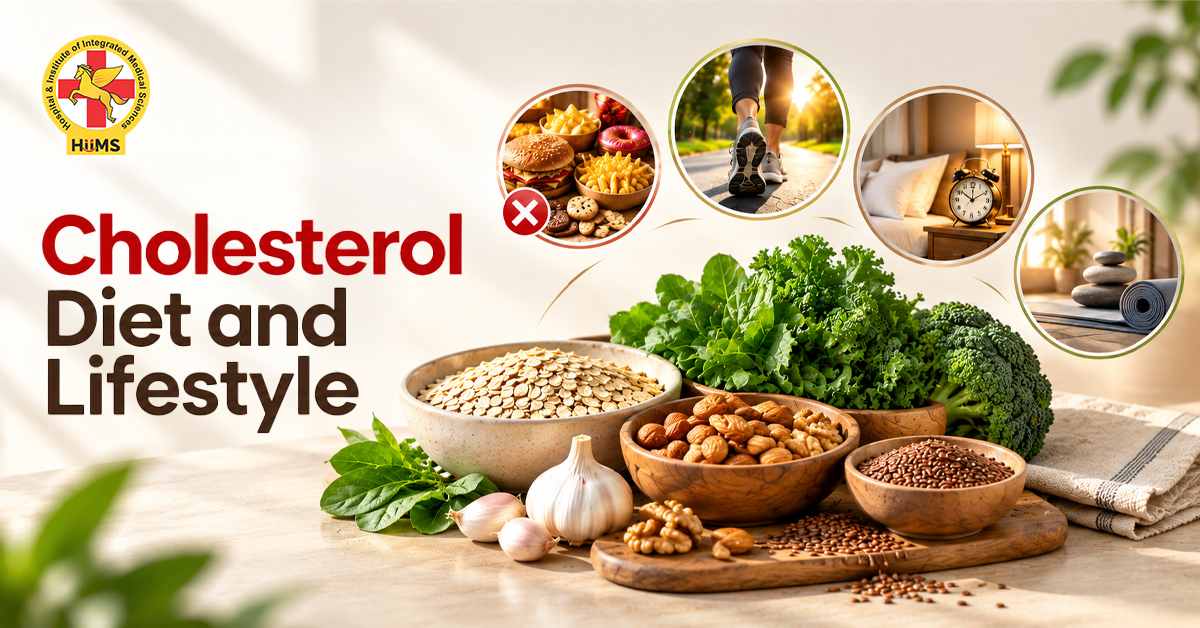
- Oats, nuts, flax seeds, leafy vegetables, and garlic in regular meals
- Less fried food, packaged snacks, and sweets
- A walk after dinner
- Fixed sleep and wake times
- Some daily stress relief, like breathing exercises
One simple structure is the pH-balanced Plate 1 and Plate 2 approach at Jeena Sikho HiiMS Rewari. Plate 1 is raw fruits and vegetables eaten first. Plate 2 is a light, home-cooked meal, like daliya, poha, or a millet dish.
How Does Ayurveda Look at Cholesterol?
Ayurveda links high cholesterol to Meda, or fat tissue. When digestion (Agni) is weak, toxins (Ama) are believed to collect and block the body’s small channels, especially when Kapha is high. So care focuses on digestion, detoxification, and balancing Kapha.
Herbs traditionally used include Guggul, Arjuna bark, Triphala, and garlic, along with kitchen spices like turmeric, fenugreek, and coriander.
What Does High Cholesterol Treatment in Rewari Look Like With Ayurvedic Support?
High cholesterol treatment in Rewari at Jeena Sikho HiiMS usually combines several supportive steps:
- Expert consultation: Your lipid report, digestion, sleep, stress and daily routine will be reviewed by your physician. This helps to understand which parts of the plan are most important to you.
- Personalised pH-balanced diet (Plate 1 and Plate 2): Plate 1 is raw fruits and vegetables eaten first, and Plate 2 is a light, home-cooked meal like daliya, poha, or a millet dish. The aim is to reduce heavy, oily food and ease the load on digestion.
- Panchakarma detox therapies: These are cleansing therapies, such as Virechana and Basti, planned around your body type and current strength. In Ayurveda, they are supposed to clear up accumulated toxins (Ama) that are believed to interfere with fat metabolism.
- Hot water immersion: Legs or body are immersed in hot water for a fixed time under supervision. It is designed to relax the body and help with circulation of blood.
- Contrast therapy: Warm and cold water are used in turns on the lower legs. This alternating pattern is traditionally used to encourage circulation and calm the nervous system.
- Head-down tilt therapy: You rest on a slightly inclined surface with your head lower than your feet. It’s used to support blood flow toward the upper body and brain, and is done only under supervision.
- Herbal formulations: Guggul is traditionally used for fat metabolism, Arjuna bark for heart support, and Triphala for digestion. The mix depends on your body type and lab reports.
- Yoga, walking, and stress management: Gentle yoga, regular walks, and breathing practices are added to your daily routine. These help keep the results going once the therapies are done.
These are supportive measures. They sit alongside your prescribed medicines and lab monitoring, never in place of them, and any medicine change should come from your doctor. Take the first step towards better cholesterol management with a personalised health plan. Connect with our experts to understand your reports, lifestyle needs, and supportive care options.

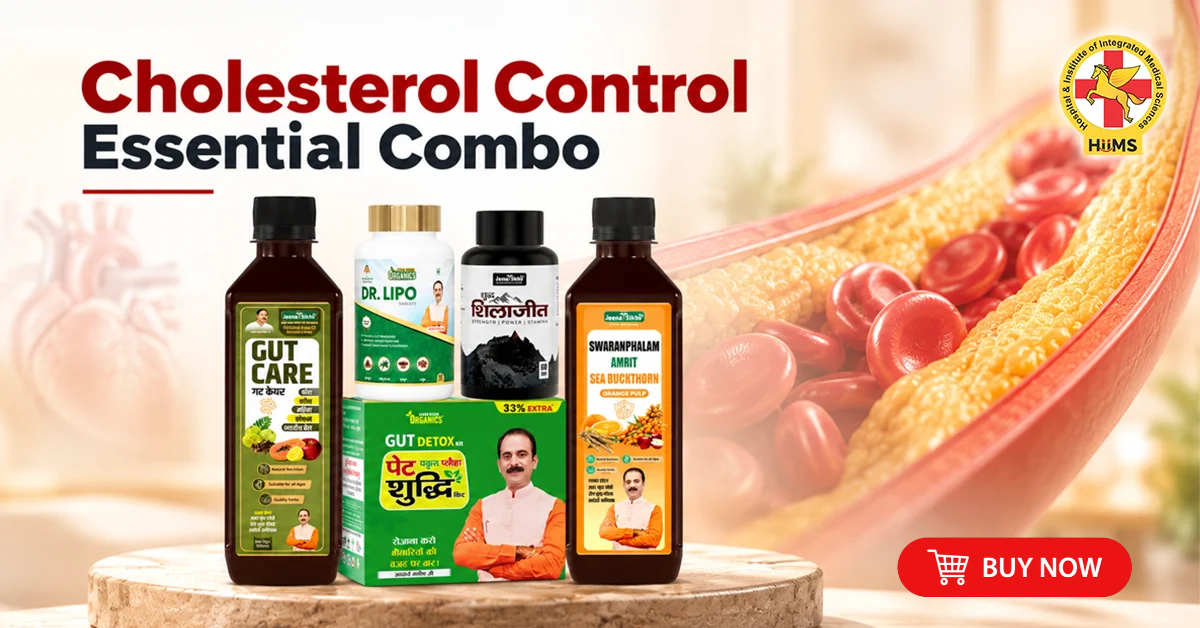
Cholesterol Control Essential Combo
If you’re looking to support your heart health naturally alongside a balanced diet and regular exercise, the Cholesterol Control Essential Combo from Jeena Sikho is worth a look. This Ayurvedic combo brings together Gut Care Juice, Swaranfalam Amrit Sea Buckthorn Juice, Pet Yakrit Pleeha Shuddhi Kit, Pure Shilajit Capsules, and Dr. Lipo Capsules. It uses traditional herbs like Guggulu, Arjuna, Amla, Baheda, and Harad, which are valued in Ayurveda for supporting healthy lipid balance, digestion, and overall cardiovascular wellness. Always consult a qualified healthcare professional before starting any new supplement, especially if you have an existing heart condition or are taking cholesterol-lowering medicines.
Finding the Right Cholesterol Treatment
Look for a team that explains your report clearly and doesn’t hand out one plan for everyone. Good cholesterol treatment should include follow-up lipid tests, gradual adjustments, and honest conversations about what’s working. In practice, the plans that last are the ones simple enough to repeat on a busy weekday.
Conclusion
Cholesterol responds to what you do most days: what’s on your plate, how much you move, how you sleep, and whether you keep up with tests.
If you want a plan built around your own report and routine, you can book a consultation with Jeena Sikho HiiMS Rewari and go through your cholesterol treatment options with our team. With 62+ hospitals, 42+ clinics, and 24+ daycare centres, HiiMS is bringing integrated healthcare closer to patients across India.
FAQ’s
Q1. Does high cholesterol cause symptoms?
Usually not, which is why a blood test is the only reliable way to know your levels.
Q2. How often should I test my cholesterol?
The CDC suggests at least once every 4 to 6 years without heart disease, but your doctor may advise more frequent checks.
Q3. Can diet alone lower cholesterol?
For many people, diet and activity make a real difference, but some, including those with inherited high cholesterol, also need medicine.
Q4. Is it safe to add Ayurvedic herbs to my cholesterol medicine?
Many people do, but tell your doctor first so that nothing interacts with your prescription.
Q5. How long before changes show on a lipid report?
It varies from person to person. Your doctor will usually repeat the test after a few weeks or months of consistent habits.