

Cholesterol is commonly linked with heart health, yet many people are not aware of what causes its levels to rise. It is a waxy substance that the body naturally produces and needs for several important functions. The liver makes most of the cholesterol needed by the body, while food habits and daily lifestyle can also influence the blood lipid levels.
The concern begins when the balance of LDL cholesterol, HDL cholesterol and triglycerides becomes unhealthy. High cholesterol usually does not cause clear symptoms, so a person may not know there is a problem until a blood test shows an abnormal result. The World Health Organization explains that abnormal blood lipids are an important risk factor for cardiovascular disease.
Recent Indian research also highlights the importance of this issue. According to a 2026 ICMR INDIAB national study published on PubMed, dyslipidemia was found in 87.3 percent of the studied Indian adult population, with sedentary lifestyle, obesity, hypertension and diabetes among the associated factors.
Understanding why cholesterol increases therefore means looking at the complete daily routine, including food, physical activity, sleep, stress, body weight and family history.
Understanding Cholesterol and Its Role in the Body
Cholesterol moves through the blood with the help of carriers called lipoproteins. LDL is often called bad cholesterol because high levels can lead to cholesterol buildup inside the arteries.
HDL is called good cholesterol. It helps carry excess cholesterol away from the blood. Triglycerides are another type of blood fat that is usually included when cholesterol levels are checked.
Many people ask what causes high cholesterol. The answer starts with daily habits.
If your cholesterol report is repeatedly outside the healthy range, speak with a qualified healthcare professional.

What the ICMR INDIAB Study Found
The ICMR INDIAB study looked at adults in four regions of India. It found that 13.9% had high total cholesterol and 79% had a problem in at least one blood fat.
Obesity, diabetes and high blood sugar were common reasons for high cholesterol in that study. City residents also showed more lipid problems in most regions. In the same study, 72.3% of adults had low HDL, the good cholesterol. That is nearly 3 in every 4 people.
What Are the Main Lifestyle Factors Behind Rising Cholesterol?
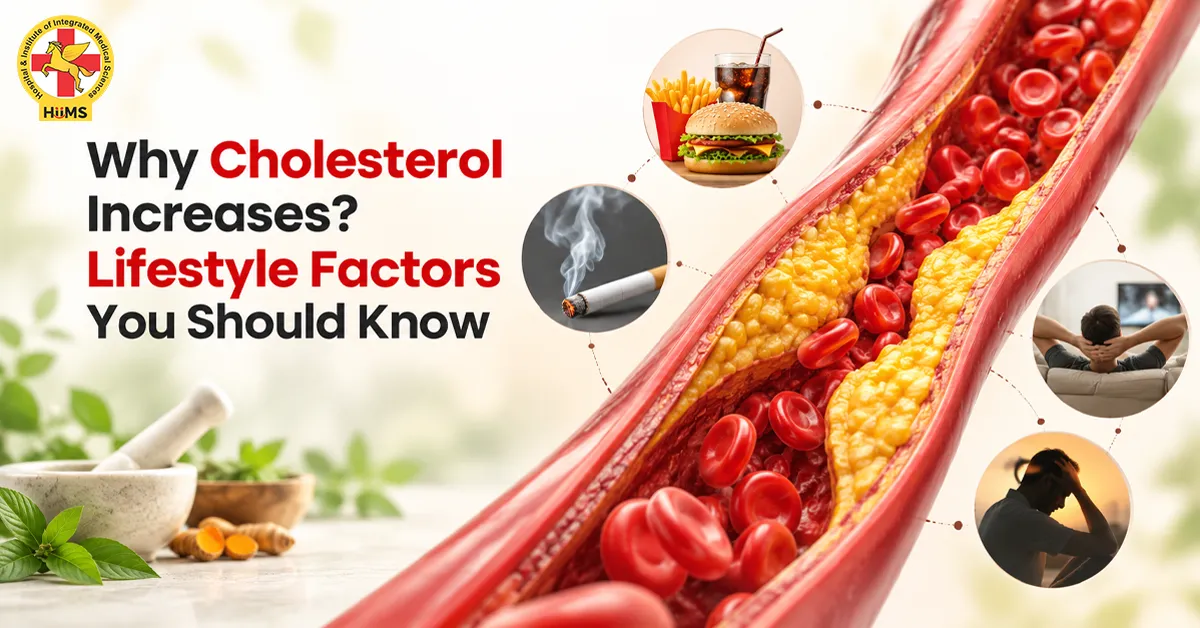
There is rarely just one answer to why cholesterol increases. Several daily habits can influence cholesterol levels over time.

Too Much Saturated Fat
Fatty meat, butter, cream and fried food can raise LDL. The National Heart, Lung, and Blood Institute advises that no more than 10% of daily calories should come from saturated fat.
Too Many Processed Foods
Packaged snacks, bakery foods, fried snacks and sweetened drinks can become regular choices in a busy routine. They are among the common high cholesterol causes. The CDC recommends limiting foods high in saturated and trans fats and choosing foods containing fibre and healthier unsaturated fats.
Lack of Physical Activity
Long working hours, screen time and very little walking can make a person less active than they realise. Regular physical activity supports healthy body weight and can help maintain healthier cholesterol levels.
Extra Body Weight
Extra weight, mostly around the waist, goes with higher LDL and triglycerides and lower HDL.
The causes of high cholesterol go beyond food choices alone. Slow and steady changes work better than crash diets.
Can Stress and Poor Sleep Influence Cholesterol?
Lifestyle is broader than diet. Long periods of stress can affect everyday habits. A stressed person may sleep less, choose convenient processed foods or become less physically active.
Poor quality sleep has also been associated with lower cardiovascular health. This does not mean that one stressful day or one poor night’s sleep will cause high cholesterol. When these habits continue regularly, they may gradually affect the overall health.
Smoking and Alcohol Can Affect Cholesterol Too
Smoking can affect healthy blood vessel function and is linked with lower HDL cholesterol. It can also increase the overall risk of cardiovascular problems.
Alcohol can influence blood fats, as drinking too much alcohol can raise total cholesterol and triglyceride levels.
So, when people ask why cholesterol levels increase, it is useful to look at the entire lifestyle instead of blaming one particular food.
Why Cholesterol Increases: An Ayurvedic View
Ayurveda describes a condition called Medoroga, where too much Meda dhatu, the fat tissue of the body, builds up. Kapha is the main dosha involved, since it is heavy and oily. Weak Agni, the digestive fire, is also part of the picture, because poorly digested food forms Ama, a sticky waste that can block the body channels.
Vata can then get blocked in those channels too. This is how Ayurveda explains why cholesterol increases in people who eat heavy, oily meals and sit for long hours.
How Jeena Sikho HiiMS Raxaul Approaches Cholesterol Care
At Jeena Sikho HiiMS Raxaul, care for lifestyle related health concerns gives attention to the person’s food habits, daily routine and overall health needs before suitable Ayurvedic guidance is considered. In clinical practice, doctors usually begin by understanding the patient’s medical history and lifestyle.
Care may then include simple dietary guidance, suitable Ayurvedic medicines and herbs, and Panchakarma therapies, along with yoga and a regular daily routine, depending on individual assessment. The aim is to support the body at its root, not only to bring down a number in the report.
How the Cholesterol Control Combo May Fit Into Your Wellness Routine
The Jeena Sikho Cholesterol Control Combo may be considered as part of an Ayurvedic wellness routine focused on daily health and lifestyle habits. Along with balanced meals, regular physical activity, and a consistent routine, choosing products suited to your individual needs is an important step towards mindful health care.
Simple Habits for Better Cholesterol Support
Small changes can often be easier to maintain than strict rules.
- Include more vegetables, fruits, pulses and whole grains in daily meals.
- Choose fibre rich foods regularly.
- Reduce frequent intake of fried and highly processed foods.
- Keep a regular physical activity routine according to individual ability.
- Maintain suitable sleep timings.
- Avoid smoking and limit the harmful alcohol use.
- Pay attention to body weight.
- Get cholesterol checked when advised, especially if there is a family history.
These small steps, followed with patience, can support healthy cholesterol far better than a sudden and strict routine.
Conclusion
Understanding why cholesterol increases means looking at more than one food or habit. Saturated fat, processed foods, physical inactivity, excess body weight, smoking, alcohol, poor sleep and long term stress can influence cholesterol. Family history and certain health conditions may also play a role.
At Jeena Sikho HiiMS Raxaul, the Ayurvedic approach gives importance to food, lifestyle, daily routine and individual health needs. If you want to understand your cholesterol concerns and explore suitable Ayurvedic care, you can book a VOPD consultation from home and discuss your health needs with a qualified doctor.

FAQs
1. What is cholesterol?
Cholesterol is a waxy fat that the body needs to build cells and make hormones.
2. What is HDL, the good cholesterol?
HDL helps carry extra cholesterol away from the blood.
3. Does belly fat matter?
Yes, extra weight around the waist goes with higher LDL and triglycerides and lower HDL.
4. Can alcohol raise cholesterol?
Drinking too much alcohol can raise total cholesterol and triglycerides.
5. Can Ayurveda help with cholesterol care?
Ayurveda focuses on food, routine, herbs and therapies suited to the person, and results differ from one person to another.