

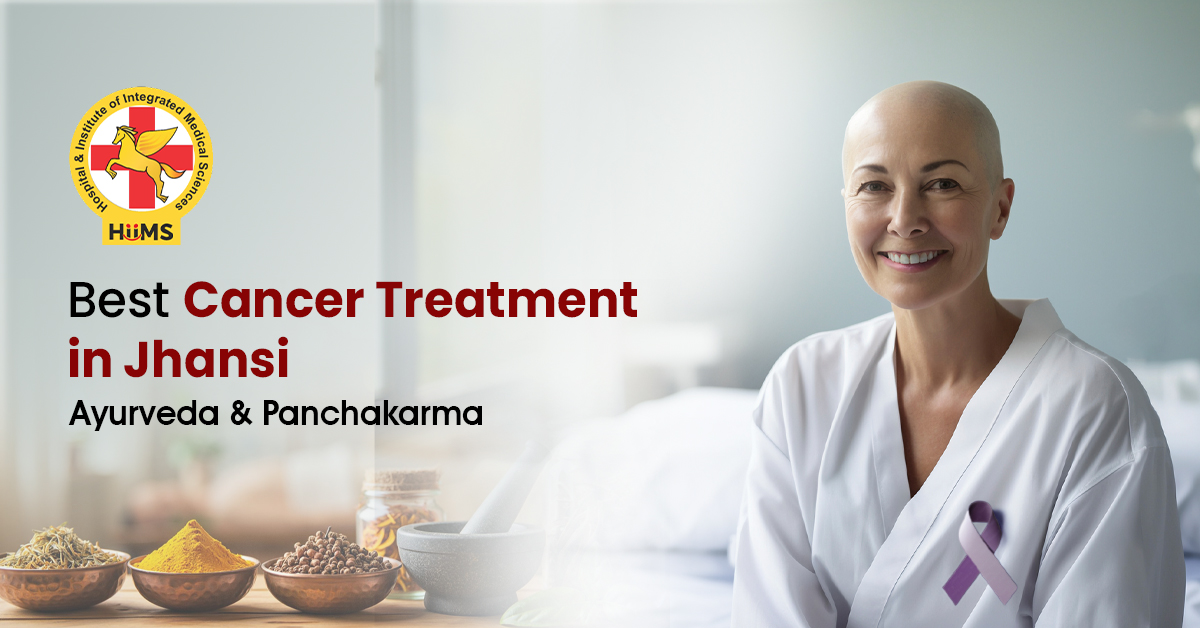
Being diagnosed with cancer is frightening, full of uncertainties, and brings up lots of questions regarding what lies ahead. People want to know about their treatment plans but also find ways to cope with weakness, altered appetite, stress, and overall health during treatment.
The main principles of Cancer Treatment include accurate diagnosis and proper medical therapy. Besides these, some patients use Ayurveda and Panchakarma to cope with various aspects of their lives. Jeena Sikho HiiMS Jhansi follows an integrated approach that includes Ayurveda, Panchakarma, diet and lifestyle guidance according to individual needs.
What Is Cancer?
Cancer occurs due to uncontrolled growth of abnormal cells. These abnormal cells may develop into a tumour or may impact the blood and other body tissues. Sometimes, these cancerous cells can move from their site of origin to other sites in the body.
Cancer is not one single disease. Breast, lung, liver, blood, prostate and other cancers can behave differently. The type, stage, location and overall health of the patient all influence the treatment plan.
What Causes of Cancer?
Cancer can develop due to a combination of genetic, environmental and lifestyle factors. Some recognised risk factors include:
- Tobacco and smoking
- Excessive alcohol consumption
- Certain infections
- Long-term exposure to some harmful substances
- Excess body weight and physical inactivity
- Family history and inherited genetic changes
- Certain types of radiation
Having a risk factor does not mean that a person will definitely develop cancer. Cancer can also occur without an obvious cause.
What Are the Common Symptoms of Cancer?
The symptoms of cancer will depend on the kind of cancer and where it is located. Some of the symptoms of cancer include:
- Unexpected weight loss
- Exhaustion or weakness
- New lumps or swellings
- Persistent pain or any unexpected pain
- Changes in bowel or bladder functions
- Unexpected bleeding
- Persistent coughing or difficulty breathing
- Skin changes including moles
- Difficulty in swallowing
- Persistent sores
These symptoms can also be symptoms of diseases other than cancer. It is, therefore, important to consult a health care practitioner for the above symptoms.
How Can You Know If You Have Cancer?
The presence of symptoms alone does not indicate cancer. An initial assessment by the physician may involve taking the patient’s medical history and conducting a physical exam before ordering any diagnostic studies.
In cases where the condition suspected is cancer, the tests carried out include blood tests, ultrasound, CT scan, MRI, endoscopy, or biopsy. A biopsy enables abnormal cells to be observed and the presence of cancer to be confirmed.
In the case of cancer being diagnosed, further tests are conducted to establish the stage of cancer.
How Can Ayurveda Support Cancer Care?
Ayurveda takes a broader view of health by considering factors such as digestion, diet, sleep, lifestyle, physical strength and mental well-being. An Ayurvedic practitioner may assess these factors before suggesting supportive care.
For patients exploring Ayurvedic cancer care in Jhansi, the approach should be personalised rather than based on a single medicine or therapy.
Ayurvedic supportive treatments might be:
- Tailored diets
- Lifestyle and routine advice
- Recommended Ayurvedic medicines
- Ayurvedic treatments
- Yoga and Pranayam
- Meditation and relaxation
At Jeena Sikho HiiMS, the Ayurvedic therapy is explained in terms of Aahar, Vihar, Shaman and Shodhan, which involves diet, lifestyle, recommended Ayurvedic treatment and therapies.
It is important to know whether the treatment suits the condition of the person.
How Can Panchakarma Support Cancer Care?
Panchakarma is a group of traditional Ayurvedic procedures that includes therapies such as Vamana, Virechana, Basti, Nasya and Raktamokshana. However, not every procedure is suitable for every patient.
Before proceeding to Panchakarma therapy for cancer patients, issues like physical strength, nutritional condition, ongoing treatments, surgeries and other medical conditions need to be considered.
At Jeena Sikho HiiMS, Panchakarma is included within its broader Ayurvedic and supportive cancer care approach.
Abhyanga Therapy
Abhyanga is a traditional Ayurvedic oil massage generally used for relaxation and physical comfort. During cancer care, it should be modified according to the patient’s condition. Strong pressure over a tumour, surgical area or fragile bone may not be appropriate.
Swedana Therapy
Swedana refers to Ayurvedic sweating or steam-based therapies. Its suitability depends on the patient’s strength, treatment status and overall condition. It should only be used when considered appropriate by a qualified practitioner.
Basti Therapy
Basti involves administering selected Ayurvedic preparations through the rectal route. Its traditional use is associated with Vata-related conditions. Whether it is appropriate during cancer care requires individual assessment.
Nasya Therapy
Nasya is an Ayurvedic procedure involving selected preparations through the nasal route. It may be considered for specific supportive purposes when suitable for the patient’s condition.
What Supportive Therapies Are Offered at Jeena Sikho HiiMS Jhansi?
Jeena Sikho HiiMS Jhansi provides Ayurvedic and supportive healthcare services, including Ayurveda, Panchakarma, diet and lifestyle guidance and other care options.
Golden Therapy
Golden Therapy is one of the specialised supportive therapies described by HiiMS. It uses a herbal paste prepared with ingredients such as banyan leaves, bitter gourd, guava leaves, neem, peepal, doob grass and raw turmeric. The paste is applied through the soles of the feet as part of the therapy.
It is presented as a supportive therapy within the HiiMS cancer care model and should not be considered a replacement for medically indicated cancer treatment.
Cancer Detox Juice
Cancer Detox Juice is another dietary preparation described by HiiMS. It may contain ingredients such as leafy greens, mint, coriander, curry leaves, amla, ginger, beetroot and selected plant leaves.
It is included as part of the dietary and supportive care approach. Patients should discuss any specialised juice, supplement or dietary preparation with their healthcare team, particularly when undergoing active cancer treatment.
Integrated Ayurvedic Care
For patients considering Ayurvedic cancer treatment in Jhansi, Jeena Sikho HiiMS combines Ayurvedic guidance, Panchakarma, diet and lifestyle practices with individual assessment.
The right supportive approach depends on the patient’s diagnosis, treatment stage, medicines, nutritional status and physical strength.
What Should You Eat During Cancer Treatment?
Nutrition is an important part of cancer care because treatment may affect appetite, digestion, taste and the ability to eat normally. The diet should support adequate nutrition without creating unnecessary restrictions.
Foods to Include
Based on each person’s requirements, the meals can be comprised of the following:
- Freshly cooked vegetables
- Whole grains appropriate for consumption
- Sources of proteins such as pulses
- Fruits where appropriate
- Nuts and seeds where tolerable
- Fluids as per medical instructions
Foods to Limit or Avoid
Patients may be advised to limit highly processed foods, excessive fried foods, sugary drinks and very salty foods. Tobacco and alcohol should also be avoided where medically advised.
There is no single diet suitable for every person during cancer treatment. Dietary requirements should be adjusted according to the cancer type, treatment, appetite, nutritional status and other health conditions.
Which Lifestyle Changes Can Support Cancer Care?
Small, consistent actions can be useful for helping patients have a more organised schedule while undergoing treatment. They might include:
- Regularity of sleep cycle
- Physical exercise
- Breathing exercise
- Meditation or relaxation therapy
- Communication socially
- Following medication and consultations
- Personal hygiene
Physical exercises and activities must be tailored as per the health condition of the patient.
What Precautions Should You Take During Cancer Treatment?
Patients considering Ayurvedic or Panchakarma support should keep these precautions in mind:
- Do not stop prescribed cancer treatment.
- Do not self-medicate with herbs or supplements.
- Inform your oncologist about Ayurvedic medicines and supplements.
- Avoid intensive detox procedures without professional assessment.
- Avoid strong massage over tumours, surgical areas or fragile bones.
- Do not follow prolonged fasting or restrictive diets without guidance.
Some herbs and supplements may interact with the medicines, making professional coordination important.
Conclusion
Cancer care requires proper diagnosis, appropriate treatment and continuous support. Ayurveda and Panchakarma may be considered as complementary approaches for diet, lifestyle, relaxation and general supportive care, but they should not replace medically recommended cancer treatment.
Jeena Sikho HiiMS provides an integrated method of supportive cancer care in Jhansi by using Ayurveda, Panchakarma, and other supportive treatments along with dietary and lifestyle guidance. For supportive treatment, you have the option of taking VOPD counselling, where your diagnosis and ongoing medications are evaluated.

FAQs
1. Does Ayurveda treat cancer patients?
Ayurveda may be considered as a complementary approach for diet, lifestyle, relaxation and selected supportive therapies. It should not replace medically recommended cancer treatment.
2. Can Panchakarma be used safely when undergoing cancer treatment?
Its appropriateness would depend on the state of health of the person and his/her physical fitness. Panchakarma can be applied only after a personal evaluation of the patient.
3. What is Golden Therapy?
Golden Therapy is an external herbal paste treatment mentioned by Jeena Sikho HiiMS.
4. What is Cancer Detox Juice?
It is a plant-based dietary preparation described by HiiMS as part of supportive dietary care. It should not be considered a cure for cancer.
5. From where do I get Ayurvedic support for cancer in Jhansi?
Jeena Sikho HiiMS Jhansi offers the Ayurvedic and supportive health care solutions like Panchakarma treatment, diets, lifestyle, and consultations.