

Heart health plays an important role in overall well-being. The heart continuously pumps blood and oxygen throughout the body, so problems affecting its function can influence energy levels, breathing, circulation, and daily activities.
Heart failure does not mean that the heart has completely stopped working. Instead, it means that the heart is unable to pump blood as effectively as the body needs. Symptoms can develop gradually and may sometimes be mistaken for normal tiredness or ageing. Recognising possible warning signs early can encourage timely medical evaluation.
If you are looking for information about heart failure symptoms, this guide explains common symptoms, possible warning signs, lifestyle measures that support heart health, and when professional medical attention is important.
What Is Heart Failure?
Heart failure is a condition in which the heart cannot pump blood efficiently enough to meet the body’s needs. It can develop because of several underlying heart conditions, including coronary artery disease, high blood pressure, problems with the heart valves, or damage to the heart muscle.
Some people experience symptoms gradually, while others may develop more noticeable symptoms over time. A proper medical evaluation is important because symptoms such as breathlessness, swelling, and fatigue can have several possible causes.
10 Common Heart Failure Symptoms
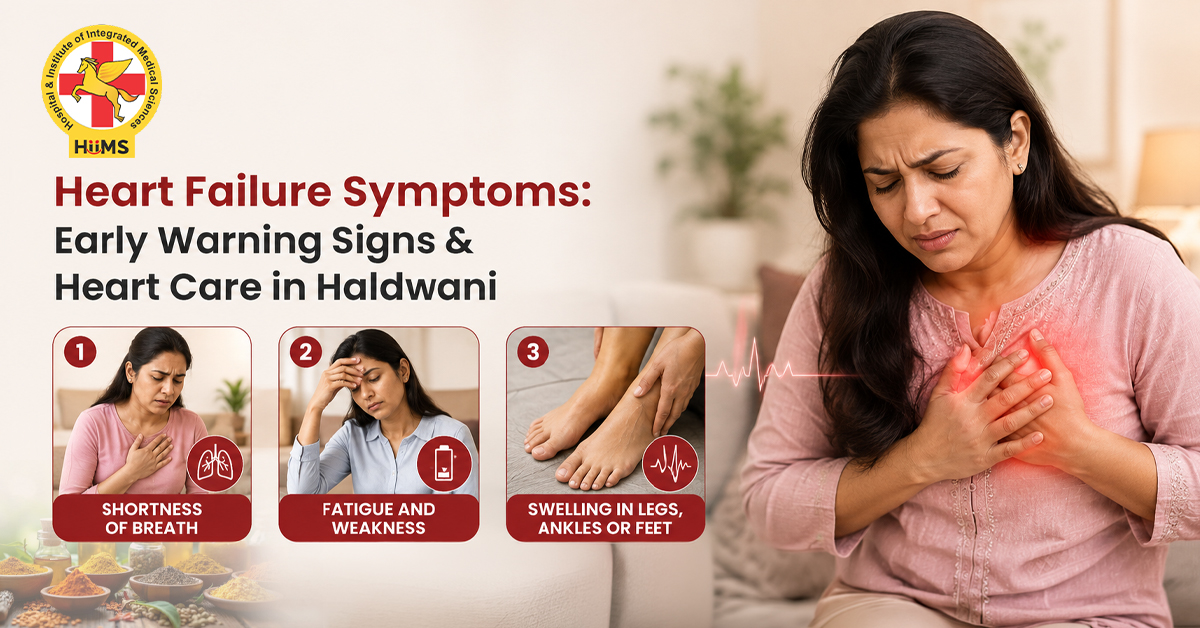
1. Shortness of Breath
Breathlessness can occur during physical activity and, in more advanced cases, may also happen while resting or lying down. Persistent or worsening breathlessness should not be ignored.
2. Persistent Fatigue
Feeling unusually tired or having less energy than usual can occur when the heart is not pumping enough oxygen-rich blood to meet the body’s demands.
3. Swelling in the Legs or Ankles
Fluid retention may cause swelling in the feet, ankles, legs, or sometimes the abdomen. New or worsening swelling should be discussed with a healthcare professional.
4. Rapid or Irregular Heartbeat
A racing, pounding, or irregular heartbeat may be associated with various heart rhythm problems. If palpitations occur frequently or alongside chest discomfort, dizziness, or breathlessness, medical evaluation is important.
5. Persistent Cough
A continuing cough or wheezing, particularly when accompanied by breathlessness, may sometimes be associated with fluid buildup related to heart problems.
6. Difficulty Sleeping Flat
Some people with heart failure may feel more comfortable sleeping with their upper body elevated because lying flat can make breathing more difficult.
7. Sudden Weight Gain
A rapid increase in weight over a short period can sometimes indicate fluid retention rather than an increase in body fat. Unexpected weight changes should be discussed with a healthcare professional.
8. Reduced Ability to Exercise
Activities that were previously comfortable may begin to cause unusual tiredness or breathlessness. A noticeable decline in exercise tolerance can be an important symptom to investigate.
9. Dizziness or Lightheadedness
Reduced blood flow or changes in heart rhythm can sometimes contribute to dizziness or lightheadedness. Repeated episodes require appropriate medical assessment.
10. Loss of Appetite or Nausea
Some people with heart failure may experience reduced appetite, nausea, or a feeling of fullness. These symptoms can have many causes, so they should be considered alongside other symptoms.
What Causes Heart Failure?
Heart failure can develop due to different cardiovascular conditions and risk factors. Common contributors include:
- High blood pressure
- Coronary artery disease
- Previous heart attack
- Heart valve problems
- Abnormal heart rhythms
- Diabetes
- Obesity
- High cholesterol
- Smoking
- Physical inactivity
- Family history of cardiovascular disease
HiiMS also identifies factors such as high blood pressure, high cholesterol, diabetes, obesity, smoking, excessive alcohol use, lack of exercise, chronic stress, and poor dietary habits among factors associated with heart disease.
When Should You Seek Medical Help?
Heart symptoms should not be self-diagnosed. If you experience persistent or worsening breathlessness, swelling, unusual fatigue, recurring palpitations, dizziness, or reduced ability to perform everyday activities, arrange a medical evaluation.
Seek emergency medical care immediately if you experience symptoms that could indicate a heart attack or another serious cardiovascular emergency, such as severe or persistent chest pressure or pain, severe difficulty breathing, fainting, or symptoms accompanied by sweating, nausea, or pain spreading to the arm, back, neck, or jaw.
Do not delay emergency care while trying home remedies or alternative treatments.
How Can You Support Better Heart Health?
Healthy daily habits can play an important role in cardiovascular wellness. Consider the following measures:
Eat a Heart-Friendly Diet
Focus on vegetables, fruits, whole grains, legumes, and other nutrient-rich foods. Limit excessive salt, highly processed foods, added sugars, and unhealthy fats according to your individual dietary needs.
Stay Physically Active
Regular physical activity can support cardiovascular fitness. If you already have heart disease or symptoms of heart failure, ask your healthcare professional what level and type of exercise is appropriate for you.
Maintain a Healthy Weight
Maintaining a healthy weight can help reduce several cardiovascular risk factors, including high blood pressure and diabetes.
Manage Stress
Long-term stress can affect overall health and may contribute to unhealthy lifestyle habits. Practices such as appropriate breathing exercises, meditation, yoga, and adequate rest may support overall well-being.
Avoid Smoking and Excessive Alcohol
Smoking is a major cardiovascular risk factor. Avoiding tobacco and limiting or avoiding alcohol can support better heart health.
Monitor Existing Health Conditions
Conditions such as high blood pressure, diabetes, and high cholesterol can increase cardiovascular risk. Regular monitoring and following your healthcare professional’s treatment plan are important.
Heart Health Support at HiiMS Haldwani
For people searching for heart care in Haldwani, Jeena Sikho HiiMS Haldwani Clinic offers an integrated healthcare approach. According to the clinic’s official information, its approach combines Ayurveda with modern science and other traditional systems, including Naturopathy and Unani. The Haldwani clinic provides holistic support for several chronic and lifestyle-related health concerns, including heart-related conditions.
The clinic describes services that include Ayurvedic consultation, lifestyle guidance, nutrition support, and Panchakarma therapies when considered appropriate by practitioners.
However, people experiencing symptoms that may indicate heart failure or a heart attack should receive appropriate medical assessment. Complementary or traditional approaches should not replace emergency cardiovascular care or prescribed treatment.
Why Early Attention to Heart Symptoms Matters
Some cardiovascular conditions can progress without obvious symptoms. Paying attention to changes such as unexplained fatigue, breathlessness, swelling, palpitations, or reduced exercise tolerance can help you seek evaluation sooner.
Early assessment can also help identify underlying risk factors and guide appropriate lifestyle and medical management.
Conclusion
Recognising heart failure symptoms or anywhere else can be an important step toward taking heart health seriously. Breathlessness, persistent fatigue, swelling, irregular heartbeat, dizziness, sudden weight gain, and reduced exercise tolerance are some symptoms that may require professional evaluation.
A healthy diet, regular physical activity, stress management, avoiding tobacco, and monitoring conditions such as blood pressure and diabetes can support cardiovascular wellness. If you notice new, severe, or worsening symptoms, seek medical attention promptly rather than relying on self-treatment.

If you are looking for holistic healthcare support in Haldwani, Jeena Sikho HiiMS Haldwani Clinic provides an integrated approach to chronic and lifestyle-related health concerns.
FAQs
What are the early symptoms of heart failure?
Common symptoms can include breathlessness, persistent fatigue, swelling in the legs or ankles, reduced exercise tolerance, rapid or irregular heartbeat, and unexpected weight gain from fluid retention.
Is shortness of breath always a sign of heart failure?
No. Breathlessness can have many causes, including respiratory conditions, anaemia, anxiety, and other health problems. Persistent or unexplained breathlessness should be medically evaluated.
Can lifestyle changes support heart health?
Yes. Healthy eating, appropriate physical activity, maintaining a healthy weight, avoiding tobacco, managing stress, and controlling conditions such as high blood pressure and diabetes can support cardiovascular health.
Where can I seek holistic healthcare support in Haldwani?
Jeena Sikho HiiMS Haldwani Clinic offers an integrated approach incorporating Ayurveda, Naturopathy, Unani, lifestyle guidance, and modern healthcare support for various chronic and lifestyle-related conditions.
Should I rely on Ayurvedic treatment for emergency heart symptoms?
No. Symptoms suggesting a heart attack or another cardiovascular emergency require immediate medical attention. Complementary healthcare should not delay emergency treatment.