

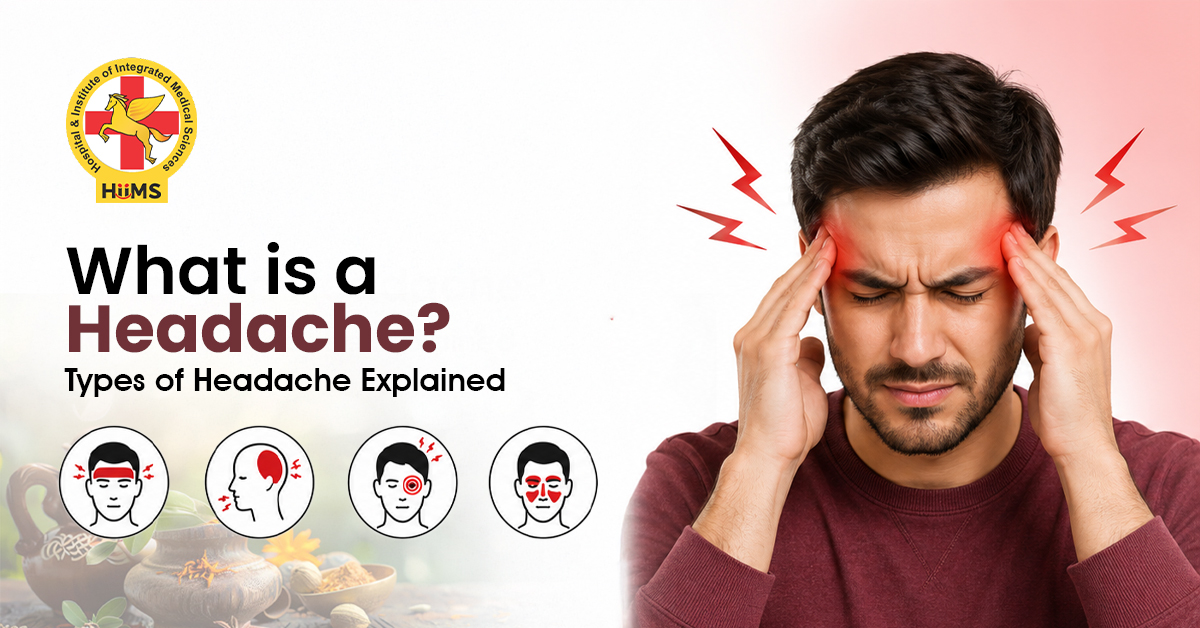
Headaches are something almost everyone experiences at some point. Sometimes it shows up as a mild discomfort after a long day, and other times it can completely disrupt your routine. What many people don’t realise is that not all headaches are the same and this is where the confusion usually starts.
A common example is a migraine headache. Many people use the term ‘migraine’ for any severe headache, but that’s not accurate. Migraine is a distinct disorder that has its own pattern, strength, and accompanying symptoms. This differentiation becomes apparent when the headaches occur with such frequency that they begin to impact normal functioning.
In very general terms a headache is the sensation of pain or discomfort in the head or top of the neck. Headaches can range from a dull ache to a sharp pain to a constant ache. Headaches can manifest in many different ways, which contributes to the difficulty of diagnosing the type; however, they can be divided into two broad categories: primary headaches and secondary headaches. The purpose of this blog is to help you clearly understand these types, recognise migraine headache symptoms, and know how a migraine differs from a regular headache so you can respond to it more appropriately.
Types of Headaches
1. Primary Headaches
These are headaches where the pain itself is the main issue.
- Tension-Type Headache
This is the most common form. It commonly presents as a tight band squeezing the head. The pain is moderate but persistent, and it is not typically very acute. Usually, stress, lack of sleep and extensive screen time can bring it on.
- Migraine Headache
A migraine is very different from a regular headache. Much stronger than the first and will last from hours to days. It can include: - Pulsing (usually one-sided).
- Sickness/ Vomiting.
- Sensitivity to light and sound.
- A strong need to rest in a quiet, dark place.
For many people, migraines affect routine activities significantly.
- Cluster Headache
This is less common but extremely painful. The pain usually occurs around one eye and comes in repeated cycles over days or weeks.
- Ice Pick Headache
These are sudden, sharp pains that last only a few seconds. They come without warning and disappear quickly. - Hemicrania Continua
A chronic pain on one side of the head which can last for months if untreated.
2. Secondary Headaches
These headaches are usually a result of another condition in the body.
- Sinus Headache
Caused by sinus inflammation. It leads to the pressure around the forehead, cheeks, and eyes, often along with a blocked nose.
- Caffeine Withdrawal Headache
If you suddenly stop consuming caffeine, your body may respond with a throbbing headache.
- Thunderclap Headache
Sudden and severe headache that escalates to maximum pain intensity within seconds; seek medical help immediately.
Migraine Headache Symptoms
- Migraine headache symptoms vary from person to person, however, the following symptoms may be observed:
- Pulsating or throbbing pain.
- Nausea or vomiting.
- Photophobia (light, sound or smell sensitivity).
- Visual phenomena (flashes of light or blurred vision).
- Fatigue and low energy.
- Lack of concentration.
Some people also experience warning signs before the migraine begins.
Migraine vs Headache
A lot of people use these terms as synonyms, but they are not the same.
Tension headache
- Sensation of pressure or tightness.
- The pain is usually mild to moderate.
Does not necessarily prevent normal activities.
Migraine:
- More severe pain that throbs.
- Most likely to be felt in only one part of the head.
- Also comes with other symptoms such as nausea.
- Prevents normal activities.
It is very important for you to know the difference between migraine vs headache to get the right treatment.
Understanding Headaches Through Ayurveda
In Ayurveda, headaches are often associated with an imbalance of bodily energies (doshas) that occur mostly in the Vata and Pitta states. The treatment method does not merely concentrate on treating the symptoms but is more concerned with:
- The daily routine.
- Diet.
- Sleep.
- Levels of stress.
Even the simple measures such as sticking to a regular routine, eating fresh meals, staying well-hydrated, and controlling stress may eventually work.
Some other methods used by Ayurveda for treatment are those of Panchakarma. These are usually done under proper guidance in specialised centres.
When Should You Seek Medical Help?
Most headaches are manageable. But certain signs should never be ignored. Seek out for the immediate attention if you experience:
- A sudden, severe headache.
- Headache with fever or stiff neck.
- Confusion or difficulty speaking.
- Seizures.
- Vision loss.
These may point to a serious underlying issue.
Conclusion
Although experiencing headaches is very common, neglecting them repeatedly should never be the right course of action. It is common for the body to provide certain signals in advance that warn about an impending situation. Observing such factors as the time, cause, and duration of the headache will go a long way in helping you understand your condition. Sometimes even small changes in lifestyle will work wonders. And if the issue persists, always remember that seeking guidance will be the smart move.
For frequent headaches or migraine headache cases, you may also opt for expert advice from qualified physicians through the Video OPD (VOPD) system. For any consultations or queries, you may contact us on care@jeenasikho.com or dial +91 82704 82704.

FAQs
Q.1 What is the most common cause of headaches?
Ans: Headaches are mostly caused by stress, lack of fluids in the body, lack of enough rest, and long hours looking at the computer screen. There are times when the cause could also be due to another underlying illness.
Q.2 How do you differentiate between migraines and other types of headaches?
Ans: Migraines are mostly very intense, affecting one side of the head with symptoms such as nausea.
Q.3 Can headaches resolve themselves without medication?
Ans: Most headaches can easily resolve with sufficient rest, hydration, and relaxation.
Q.4 Is it a problem when headaches happen frequently?
Ans: When experiencing frequent or very severe headaches, it is advisable to seek medical advice.
Q.5 Can a change in your lifestyle lower headaches?
Ans: Lifestyle change can be effective in lowering the number of occurrences.