
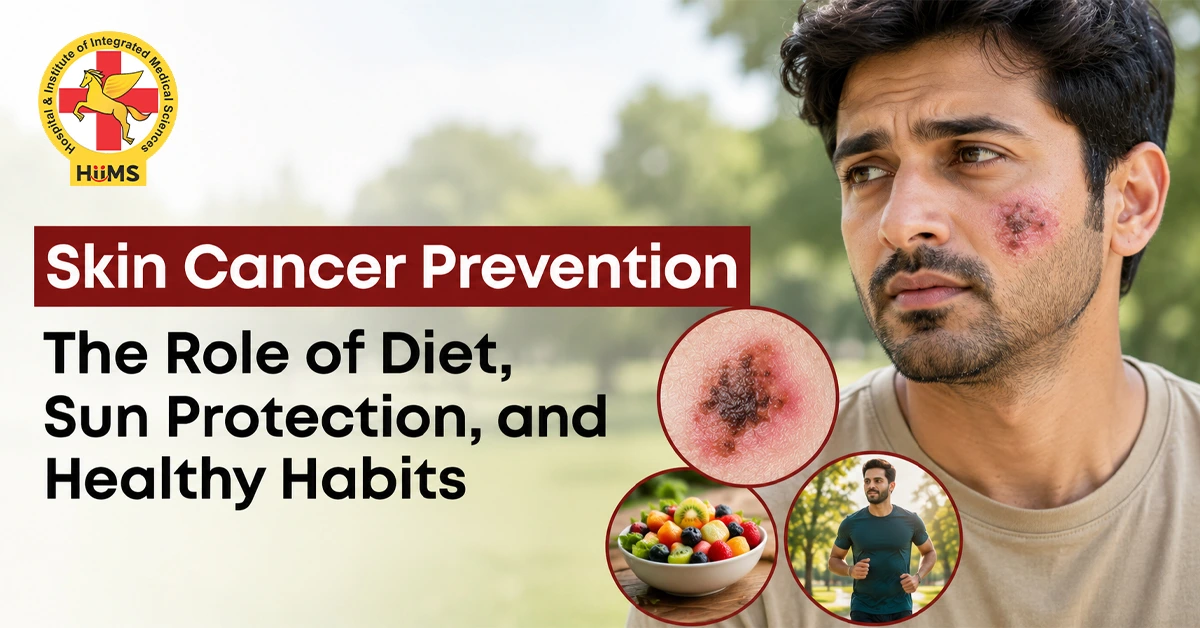

Skin cancer happens to be one of the most prevalent cancers in the world. While not all cases of skin cancer can be avoided, the adoption of good practices in one’s daily life may help to reduce some of the risk factors that cause skin cancer.
The overexposure of the body to ultraviolet light coming from the sun or tanning booths has been linked to several types of skin cancer. Beyond sun safety measures, adequate nutrition and maintaining a healthy lifestyle may also have their place in skin health promotion.
As for the recommendations regarding skin cancer prevention tips, the importance of sun safety, nutrition, and skin checks will be obvious for you. While all this will not guarantee to prevent skin cancer, it may assist in skin cancer risk reduction.
What Is Skin Cancer?
Skin cancer occurs when abnormal skin cells grow uncontrollably. It usually occurs in body regions exposed to the sun rays frequently, such as the face, neck, ears, arms, and hands. Nevertheless, it may occur in body parts which have minimal sunlight exposure.
The following are some of the warning symptoms:
- A newly formed mole or skin growth
- Change in the size, color, and shape of an old mole
- Unhealed sore
- Persistent itching or bleeding from the skin lesion
It is advisable for one to seek medical attention when such skin changes occur.
Why Is Skin Cancer Prevention Important?
While some risk factors such as age, genetics, and skin type cannot be changed, many lifestyle habits can help reduce unnecessary UV exposure and support healthy skin.
Skin cancer prevention may be beneficial in the following:
- Protecting the skin against damage from UV rays
- Avoiding the possibility of sunburn
- Helping to keep healthy skin
- Promoting early detection with regular skin examinations
The Role of Sun Protection in Skin Cancer Prevention
Sun protection is one of the most effective ways to prevent skin cancer.
Sunscreen Use Every Day
Make sure to apply sunscreen lotion with an SPF of 30 or more before heading out. Apply again every 2 hours, or after being in water.
Cover Up
Clothing, hats, and sunglasses with a wide frame that shields from UV rays can prevent sun damage.
Steer clear of Midday Sun
Generally, the rays are most intense between 10 am and 4 pm.
Seek Shade
If possible, try and spend your time outside in the shadowed region.
Tanning Booths
UV radiation is emitted from artificial tanning beds as well.
Can Diet Help Support Healthy Skin?
A good diet alone cannot prevent skin cancer on its own, it will contribute to the general health of your skin and your body’s defence mechanisms.
Some recommended foods include:
- Fresh fruits and veggies
- Whole grains
- Nuts and seeds
- Healthy fats, such as those found in flaxseeds and walnuts
- Drinking enough water daily
Foods mentioned above contain vitamins and minerals that help keep the skin healthy.
Healthy Habits That May Help Reduce Skin Cancer Risk
Lifestyle changes will help to reduce your risks of getting skin cancer.
Be Physically Active
Exercise will help you remain healthy and happy.
Stop Smoking
It will not only affect your health but also prevent the skin from healing.
Cut Back on Drinking
By following healthy living guidelines on drinking alcohol, you’ll remain healthy.
Get Plenty of Rest
Sleeping enough keeps your body organs healthy and functioning well.
Check Your Skin Regularly
Check for any moles that are changing. Seek advice when you see any change.
Who Is at Higher Risk of Skin Cancer?
Other people have a greater likelihood of developing skin cancer, such as:
- Individuals with long exposure to the sun
- People with fair skin that gets easily burned by the sun
- People with a family history of skin cancer
- People with numerous moles
- People with frequent occurrences of sunburns
- Users of indoor tanning beds
One is not likely to develop skin cancer just because of having one or more risk factors.
When Should You Consult a Healthcare Professional?
You should consult a healthcare professional if you see:
- Changes in the size, color, or shape of a mole
- Failure of a sore to heal
- Itching or bleeding from a skin lesion
- Any changes in an unusual skin growth
Regular skin check-ups are very essential, particularly for those people who are more prone.
Conclusion
Simple activities that can help in skin cancer prevention start with the basics. Keeping your skin from being exposed to too much ultraviolet light, eating a good diet, staying fit through exercise, and self-examination of the skin can be some activities that can help you have healthy skin. Even though they cannot guarantee protection against skin cancer, they can help to minimise the risks.
At Jeena Sikho HiiMS, trained Ayurveda experts will guide you about having healthy habits and living a holistic lifestyle, which might benefit your health in general.

FAQs
Q1. What is the best thing one can do to prevent skin cancer?
Therefore, it is important for you to ensure that you shield yourself from excessive exposure to ultraviolet light by using sunscreen and appropriate attire.
Q2. Is it possible to avoid skin cancer by consuming the right foods?
If you eat healthy and avoid the food that is not suitable for skin, it can definitely help, but along with that, proper sun protection and living conditions are also required.
Q3. How frequently should you apply sunscreen?
Sunscreen should be applied when heading outside and should be reapplied every two hours or when swimming or sweating.
Q4. Which group is at high risk for developing skin cancer?
People with light skin and having frequent exposure to the sun have moles and, with a family history of skin cancer, can be at risk.
Q5. In which cases should I visit a doctor because of a mole?
One should seek medical advice if there are changes in a mole’s size, shape, and color, if it bleeds or itches, or if it does not heal.
Leave a comment