
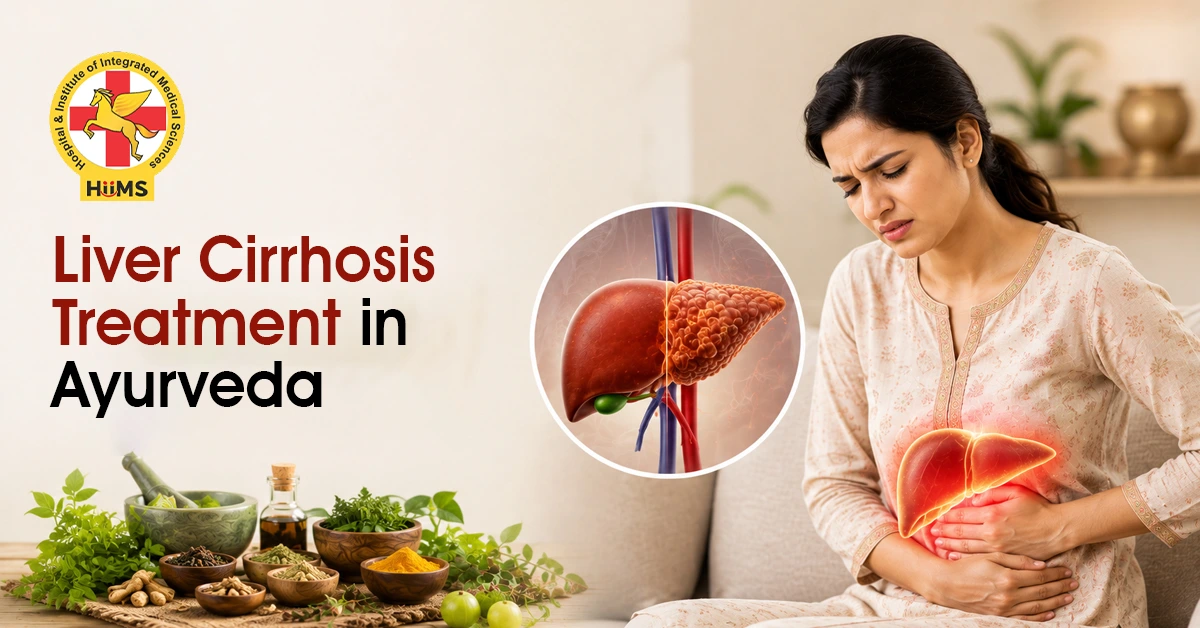

There are numerous functions of the liver. It aids in digestion, helps to process nutrients, assists in maintaining proper functioning of the body, and eliminates certain wastes from the body.
Prolonged damage to the liver results in replacement of healthy liver cells with scar tissue. This situation is referred to as liver cirrhosis.
Patients searching for liver cirrhosis treatment in Ayurveda seek information on how food, daily routines, Ayurvedic treatments, and changes in lifestyle could help to enhance their general wellbeing.
Ayurveda attaches much importance to digestion, diet, regimen, state of mind, and overall health of an individual. As a result, the Ayurvedic approach towards liver cirrhosis management may not be limited only to medication.
Still, cirrhosis is a severe liver disorder, and its severity in each patient is different. Consequently, Ayurvedic practitioners should customise the treatment for this problem based on the patient’s specific symptoms and medical history.
What Is Liver Cirrhosis?
Liver Cirrhosis occurs after being exposed to constant injury to the liver. Where there is the production of scar tissue rather than normal tissue. With time, it becomes increasingly difficult for the liver to carry out its duties.
Cirrhosis is caused by many factors such as alcohol consumption over a period of time, infections, fatty liver disease and other liver problems.
In the beginning, a person may not notice many symptoms. Tiredness, poor appetite, digestive discomfort, or unexplained weight changes may sometimes occur. As liver damage progresses, a patient is likely to exhibit signs such as jaundice, swollen legs and abdomen, and accumulation of fluid.
Since cirrhosis is a slow-progressing condition, early detection and care are critical.
What Is the Ayurvedic Approach to Liver Cirrhosis?
Ayurveda considers the relation among food, digestion, lifestyle and health very important. In case of Liver cirrhosis treatment in Ayurveda, this treatment may consist of modifications in diet, lifestyle, management of stress, and Ayurveda treatments based on the individual.
The aim here is not to have one particular treatment for all individuals. Rather, one must consider the symptoms, digestion, energy levels, diet, life style, and current diseases of the individual before opting for any particular treatment method.
Focus on Digestion
Simple and balanced meals may be easier for some people to manage than very heavy meals. Overeating, frequent consumption of fried foods, and highly processed foods can make healthy eating more difficult.
Maintaining a Regular Routine
Timings for meals, sleep, physical activity, and regularity will lead to good health.
Managing Stress
Stress impacts sleep, eating habits, digestion, and routines. One may practice techniques such as mediation, yoga, deep breathing, or any other according to preference.
What Should a Liver Cirrhosis Diet Include?
The ideal liver cirrhosis diet will ensure proper nourishment considering the health of the person concerned. Every person with cirrhosis does not require the same kind of diet.
Some general eating practices may consist of:
- Eat fresh and home-cooked food more frequently
- Have vegetables and fruits as per individual requirements
- Introduce carbohydrates and proteins in a healthy way
- Stay away from heavily fried and greasy food.
- Limit packaged and highly processed foods.
- Avoid alcohol completely.
- Avoid long gaps between meals when they do not suit the person.
- Prefer balanced portions rather than very heavy meals.
If a person has swelling or fluid accumulation in the abdomen, the amount of salt and fluid should not be changed without professional guidance. Such dietary changes depend on the person’s overall condition.
Foods to Avoid in Liver Cirrhosis
Some food items should ideally be avoided to a certain extent. Foods containing too much salt, sugar, fat, and processing are included in this category.
These include:
- Deep fried food
- Pre-packed snack items
- Too salty foods
- Processed meat products
- Sugary drinks
- Too much sugar
- Too spicy or oily food
- Alcohol
A simple meal containing basic food elements, with an adequate amount of oil and salt, would suffice.
There are other health issues like diabetes and kidney problems for which a completely different diet would be required. So imitation of any other person’s diet is not advisable.
What Role Does Lifestyle Play in Liver Cirrhosis Management?
Food is only one part of maintaining a healthy routine. Daily lifestyle also matters.
Sleeping on a consistent basis, eating meals at the right time, gentle exercises, and managing stress levels may help in general wellness. Individuals who have physical comfort will consider activities like gentle walking and yoga as part of their activities.
However, there might be variations from one person to another concerning the impact of the condition on their body muscles.
Individuals with signs such as weakness, fluid retention, or breathing difficulties should refrain from beginning their workout sessions until given the proper advice. Rest is equally essential in keeping a healthy balance.
Can Ayurvedic Herbs Be Used for Liver Cirrhosis?
The herbs used in Ayurveda include those like Bhumyamalaki, Kutki, Punarnava, and Kalmegh that are prescribed for various health issues.
However, people with cirrhosis should not assume that every herbal ingredient is suitable for them.
The liver may already be under considerable stress, and the choice and amount of any herbal preparation should depend on the person’s condition.
Therefore, Ayurvedic medicines and herbal preparations should be taken only with appropriate professional guidance. Self-medication, even with natural products, is not advisable.
Panchakarma for Liver Cirrhosis
Panchakarma includes different Ayurvedic procedures that practitioners select according to an individual’s condition. In some cases, practitioners may consider specific procedures as part of Ayurvedic care.
But Panchakarma is not always an ideal method of treatment for individuals suffering from liver cirrhosis.
Practitioners should consider the individual’s physical stamina, symptoms, digestive process, age, and overall health condition when choosing a particular procedure.
Individuals should never perform procedures involving purgation or other aggressive therapies at home. Only trained healthcare professionals should perform such procedures.
How Does Jeena Sikho HiiMS Support Liver Cirrhosis Care?
In Jeena Sikho HiiMS, for liver-related problems, the first step in addressing the problem is to have a clear idea about the person’s complete well-being.
While counselling the person, their medical history, symptoms, dietary practices, digestive system, lifestyle, and available reports could be taken into account.
Based on an individual’s requirements, guidance will include consultation in Ayurveda, dietary advice, lifestyle modifications, and Ayurvedic treatment methods. Therapies are considered according to the individual’s condition. Same Approach for every patient doesn’t work.
Food is also an important part of the guidance. Attention can be paid to appropriate timing of meals, healthy eating and good dietary practices. In case an individual is suffering from bloating, water retention or swelling of the abdomen, modification needs to take place depending on the individual’s condition.
Regular follow-up can also help individuals understand changes in their health and determine whether they need to adjust their existing care approach.
If symptoms become severe or worsen quickly, individuals should seek timely medical assistance without delay.
Symptoms Should Not Be Ignored
Some symptoms of cirrhosis require timely attention. These may include:
- Yellowing of the skin or eyes
- Increasing abdominal swelling
- Fluid accumulation in the abdomen
- Swelling in the legs
- Severe weakness
- Persistent loss of appetite
- Vomiting blood
- Black-coloured stools
- Sudden confusion
- Significant changes in behaviour
- Excessive sleepiness
- Difficulty breathing
These symptoms should not be managed only with home remedies. Timely professional advice is important.
Why Are Regular Checkups Important?
Liver Cirrhosis can undergo changes at any point in time. It is essential to conduct regular assessments as per the advice of the healthcare professional in order to understand the variations in the functioning of the liver.
Individuals who are under the care plan must ensure that they have all the reports and information related to their treatments ready while consulting the healthcare professional.
This can assist the healthcare professional in comprehending the variations in the health of the individual.
Precautions to Support Liver Health
Some simple habits can help support liver health:
- Avoid alcohol.
- Do not take medicines without proper guidance.
- Never begin taking any herbals on your own account.
- Try to eat a balanced diet.
- Stay away from foods that are highly processed and fried.
- Try to stay physically active.
- Sleep well.
- Manage stress with suitable relaxation techniques.
- Undertake health checks if you have any liver disease.
- Don’t overlook any symptoms.
Conclusion
Liver cirrhosis treatment in Ayurveda may consist of a focus on the patient’s dietary habits, digestion, lifestyle, daily schedule, and overall well-being. Healthy eating habits, adequate exercise, handling stress, and professional Ayurveda treatment may be included in this supportive approach.
On the other hand, liver cirrhosis is a serious disease, and each case is unique. Ayurvedic medicines, herbs, or Panchakarma treatment shouldn’t be done without proper instructions.
If you or any of your relatives suffers from liver cirrhosis, our services at Jeena Sikho HiiMS can help with your health problems with the consideration of your health record, tests, symptoms, diet, and lifestyle.

FAQs
Q1. Can liver cirrhosis be managed with Ayurveda?
The use of Ayurvedic therapy can be adopted as an adjunctive modality based upon the status of the patient.
Q2. What should a person with liver cirrhosis eat?
Individuals can choose healthy, balanced, and nutritious foods according to their specific needs. They may consume vegetables, fruits, good-quality grains, and appropriate sources of protein. They should avoid extremely greasy, deep-fried, processed, and salty foods.
Q3. Can alcohol be taken with liver cirrhosis?
The consumption of alcohol should be avoided entirely if a person is suffering from liver cirrhosis. The intake of alcohol might exert extra pressure on the liver, which is already in a diseased state.
Q4. Is Panchakarma suitable for all patients with liver cirrhosis?
No. Panchakarma is not suitable for all patients suffering from cirrhosis. Before Panchakarma, you need to evaluate the condition, strength, symptoms, and overall health of the patient.
Q5. When should one with liver cirrhosis consult professionals?
Healthcare professionals should not overlook excessive jaundice, ascites, oedema, vomiting of blood, black stools, weakness, difficulty in breathing, or any sudden change in the patient’s level of consciousness. You should take Professional consultation immediately.

Leave a comment