

Have you ever felt perfectly healthy but discovered high cholesterol during a routine health check? This is more common than many people realise because high cholesterol usually has no noticeable symptoms.
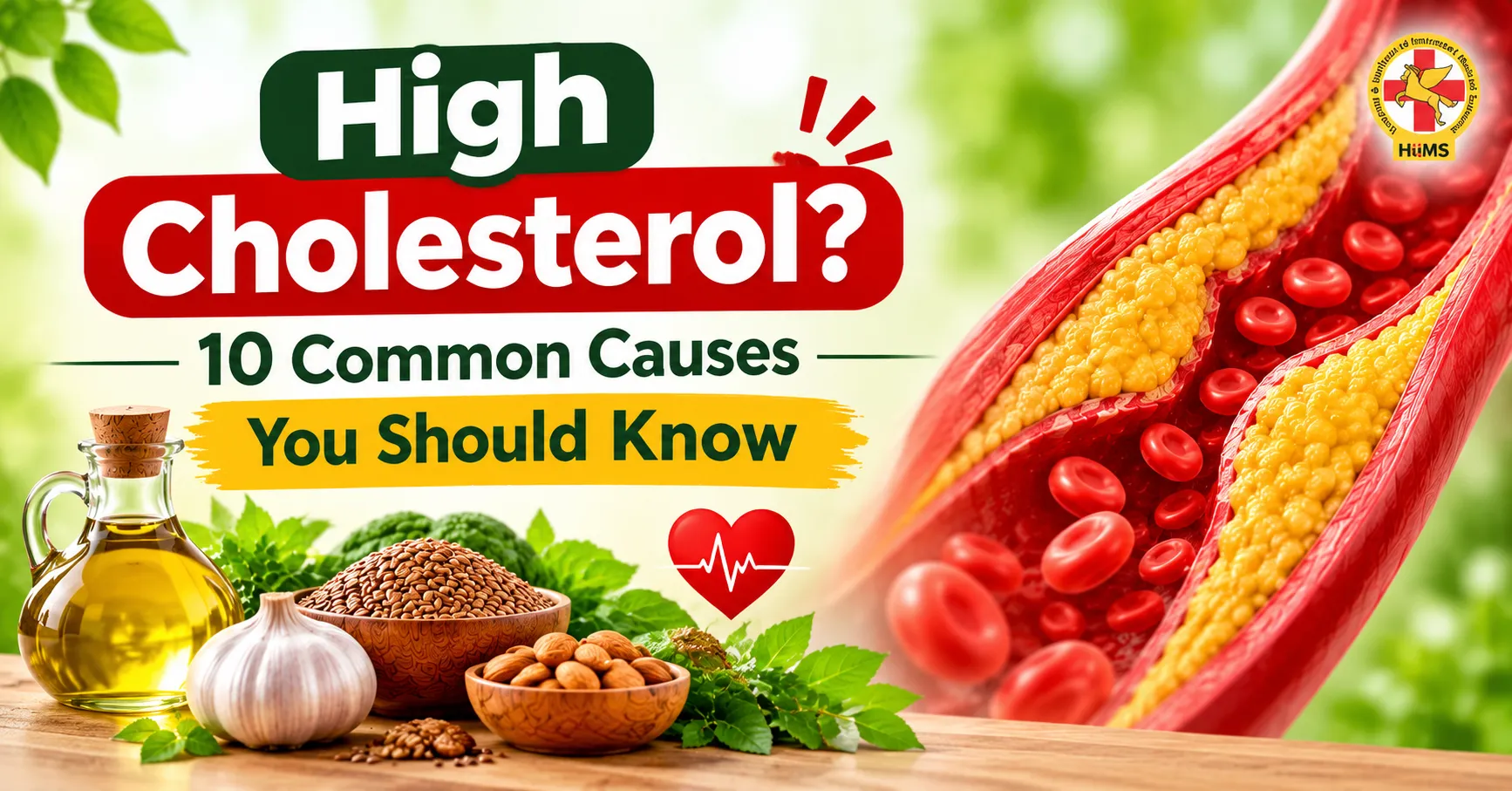
Cholesterol is a waxy, fat-like material used by the body for creating healthy cells and performing its essential operations. But the high presence of low-density lipoprotein (LDL), also known as ‘bad cholesterol’, causes accumulation of fats inside the arteries. This increases the risk of suffering from heart disorders and stroke in the long term.
However, what are the causes of high cholesterol? Your diet and lifestyle may play a part in this, but the genetics, age, health problems, and certain medications may also affect this. This blog will tell you about high cholesterol causes, foods that cause high cholesterol, the impact of the lifestyle, and the role of genetics in your well-being.
What Causes High Cholesterol?
High cholesterol may be associated with a person’s habits, genetics, illnesses, or medication use. There are 10 factors that may contribute to this issue.
1. Eating Too Many Saturated Fats
Too much intake of food with lots of saturated fats could increase your level of LDL cholesterol. Foods like butter, ghee, cream, meat fat, and some bakery products contain saturated fats. Rather than eating no fats at all, eat the unsaturated fats from nuts, seeds, and vegetables.
2. Trans Fats
Trans fats may also increase your level of LDL and reduce your level of HDL, which is known as good cholesterol. These fats may be contained in some snack foods and bakery foods prepared using partially hydrogenated oils.
3. Sedentary Lifestyle
Leading a sedentary lifestyle could result in unhealthy cholesterol levels as well as obesity. Engaging in physical activities like walking, cycling, or swimming can keep your heart healthy. Even making walking breaks while working for a whole day can keep you active.
4. Being Overweight
Being overweight or obese is linked to high levels of triglycerides and possibly low HDL cholesterol. But being non-overweight does not mean that one cannot have high cholesterol. A healthy diet and exercise may benefit the overall health.
5. Genetics and Family History
If one has high cholesterol due genetics, he or she can have it despite leading a healthy lifestyle. Familial hypercholesterolaemia is a genetically caused condition that may lead to very high LDL cholesterol from a young age. In case any close relatives suffer from high cholesterol or had heart disease at a young age, consult your healthcare provider about cholesterol tests.
6. Ageing
Ageing may affect one’s cholesterol levels. The ability of the body to clear LDL cholesterol may decrease with age. While ageing is impossible to avoid, cholesterol tests will help to detect any changes. High cholesterol may also occur in young people because of genetics or other health problems.
7. Diabetes and Other Health Conditions
Type 2 diabetes can lead to poor cholesterol. There are other diseases, such as hypothyroidism and chronic kidney disease, that can impact cholesterol. Taking care of those illnesses under professional supervision can help maintain good health.
8. Smoking
Smoking can reduce the HDL cholesterol and harm blood vessels, causing cardiovascular disease. It is essential to quit smoking regardless of whether your cholesterol test results are normal.
9. Excessive Consumption of Alcohol
Drinking alcohol in large amounts can elevate triglycerides and cause weight gain. High triglycerides, along with other risk factors, can increase the risk of cardiovascular disease. You should consult your health care provider if your triglycerides are elevated.
10. Certain Medications and Hormonal Changes
Some medications, for example, certain steroids, can have an impact on cholesterol or triglycerides. There are hormonal changes in women at menopause that can impact cholesterol levels. Do not stop taking your medications without consulting a health care provider.
How Can You Know If Your Cholesterol Is High?
High cholesterol usually causes no obvious symptoms. A blood test called a lipid profile measures total cholesterol, LDL cholesterol, HDL cholesterol, and triglycerides.
Your healthcare professional can explain your results and advise how often you should be tested based on your age, family history, and other risk factors. Do not wait for symptoms, particularly if high cholesterol or early heart disease runs in your family.
Which Foods Increase Cholesterol?
When considering foods that increase cholesterol, pay attention to the type of fat they contain.
Foods that are rich in the saturated fats, like butter, fatty meat, cream, and certain baked foods, might increase levels of LDL cholesterol. Industrial trans fats are known to have negative effects on cholesterol levels.
Healthy foods to take in for a healthy heart include lots of vegetables, fruits, oats, whole grains, beans, and nuts. Unsaturated fats should be preferred where possible.
Diet is one of several factors that can influence cholesterol. Genetics and medical conditions also matter, so dietary changes alone may not be enough for everyone.
How Does Lifestyle Affect High Cholesterol?
High cholesterol and lifestyle go hand in hand. There are several things that you can do for yourself to promote healthier levels of cholesterol:
- Maintain an active lifestyle based on your fitness level.
- Consume the foods containing fibre, such as oats, beans, legumes, fruit, and vegetables.
- Limit the foods containing saturated fats and stay away from trans fats.
- Do not smoke; look for help quitting if you do smoke.
Take care of yourself by following doctor’s advice regarding cholesterol monitoring and medication.
How Does Jeena Sikho HiiMS Approach Heart Health?
Jeena Sikho HiiMS Gopalganj is known for providing Ayurvedic medicine and the guidance to follow an Ayurvedic lifestyle. Those who would like to pursue this path of wellness may ask for the consultations and talk to a specialist about one’s diet and lifestyle.
Ayurvedic guidance should not be forgotten when considering medical help, depending on your condition. However, Ayurvedic medicines or therapies should not be assumed to lower cholesterol without reliable evidence. Anyone with high cholesterol should continue prescribed treatment and consult their healthcare professional before starting supplements or herbal products, as these may interact with medicines.

Conclusion
Knowing what high cholesterol causes enables you to make an informed decision concerning your health. High cholesterol levels may be affected by your diet, exercise, smoking habits, genetics, age, some illnesses, and even certain medications.
Because there are usually no symptoms of high cholesterol levels, testing is critical. You can maintain a balanced lifestyle, but you may require medications as well. If your cholesterol levels are high, seek advice from a qualified health care provider.
FAQs
Q1. What are the common risk factors for high cholesterol?
Common risk factors are poor eating habits, sedentary lifestyles, smoking, overweight, genes, ageing and diseases.
Q2. What kind of food increases cholesterol?
Food with saturated fat like butter, meats, cream and bakery items will increase the levels of LDL.
Q3. Is high cholesterol inheritable?
Yes. There are diseases which are genetic in nature that will lead to elevated levels of cholesterol.
Q4. Can high cholesterol levels be controlled through lifestyle changes?
With good eating habits, physical activity and stopping smoking, it can be done, and some require medications.
Q5. Can one suffer from high cholesterol but show no symptoms?
Yes. Elevated cholesterol doesn’t exhibit any visible signs. You need to get a lipid profile test done.

Leave a comment