

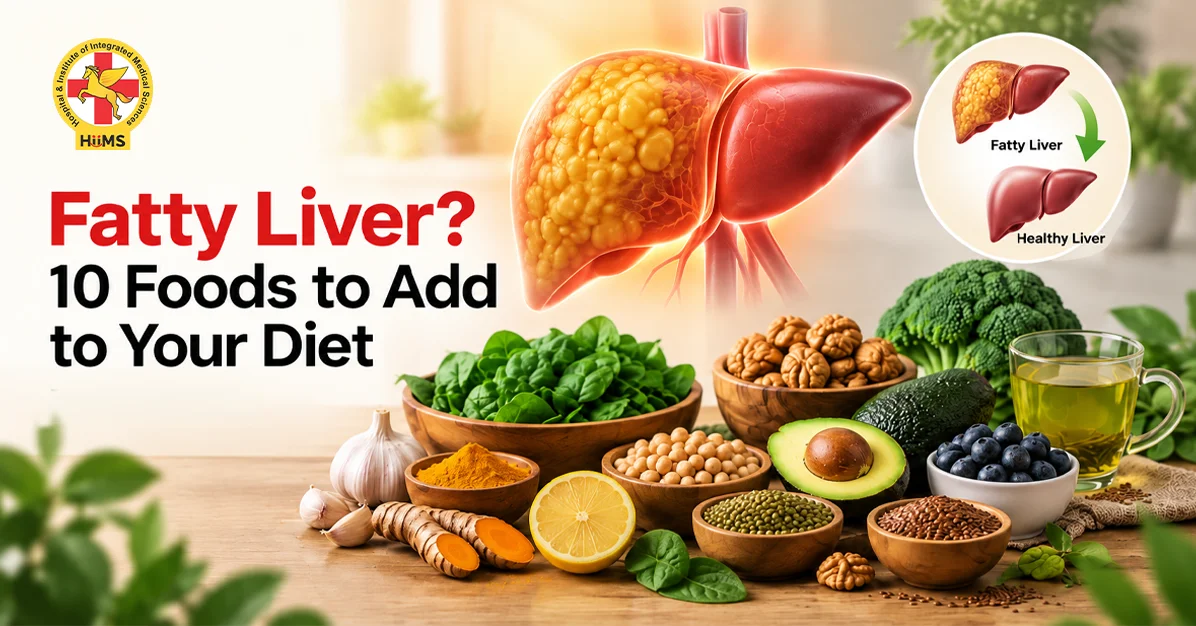
Fatty liver develops when too much fat builds up in the liver. It often occurs with obesity, diabetes, high blood fats and low physical activity.
In India, fatty liver has become an important health concern. A review of Indian studies estimated that non-alcoholic fatty liver disease affected 38.6% of adults in the groups studied. However, the rate varied between different groups.
Choosing the right foods can support better nutrition. A balanced fatty liver diet can also support the healthy metabolic function. However, no single food can fix fatty liver.
This blog helps you understand about what foods to eat and what foods to stay away from.
What Research Says About Diet and Fatty Liver
Studies show that the food and lifestyle can affect liver health. A balanced diet can include fibre rich foods, whole grains, suitable protein and healthy fats.
A peer-reviewed review also supports balanced eating for non alcoholic fatty liver disease. It recommends fewer calories and less unhealthy fat. In addition, it highlights the value of fibre-rich foods and better quality carbohydrates.
The World Health Organization also recommends a varied diet. This includes vegetables, fruits, legumes and whole grains. At the same time, WHO advises people to limit free sugars and unhealthy fats.
Did You Know?
A 2022 systematic review studied the fatty liver among Indian populations. It found the non-alcoholic fatty liver disease in 38.6% of the adults studied. The rate was 28.1% in average risk groups and 52.8% in higher risk groups.
However, these numbers do not represent every adult in India. The researchers studied different groups and populations. Still, the findings show why healthy food and lifestyle habits matter.
10 Foods to Add to Your Diet
A healthy diet does not depend on one special food. Instead, choose vegetables, fibre rich foods, suitable protein and healthy fats.
1. Green Leafy Vegetables
Spinach, mustard greens and other leafy vegetables provide fibre, vitamins and minerals. They also add volume to meals without many calories.
Jeena Sikho HiiMS dietary guidance for fatty liver also includes green leafy vegetables as part of a liver-friendly eating pattern.
2. Broccoli and Other Cruciferous Vegetables
These three vegetables can add fibre and plant nutrients to your diet. Some studies have examined these vegetables and liver health.
3. Oats and Whole Grains
Oats, barley and other whole grains provide complex carbohydrates and fibre.
Therefore, you can replace some refined grains with whole grains. However, portion size still matters. It can help you manage your total calorie intake.
4. Dal and Other Legumes
Dal, chickpeas, beans and other legumes fit well into Indian meals. They provide the plant-based protein and fibre.
For example, pair dal with vegetables and a suitable grain portion. This can make the meal filling and balanced.
5. Walnuts
Walnuts provide the healthy unsaturated fats. They also contain polyunsaturated fatty acids. Research has also studied nuts in relation to liver and metabolic health. However, walnuts are high in calories. Therefore, keep the portion suitable for your overall diet.
6. Flaxseeds and Chia Seeds
Flaxseeds and chia seeds provide fibre and plant-based omega-3 fats.
You can add small amounts to suitable meals. Still, treat them as part of your regular diet rather than a special solution for fatty liver.
7. Garlic
Garlic is already common in Indian cooking. It can also add flavour without relying too much on salt. A review discussed by Medical News Today found that garlic supplements affected some metabolic measures. However, these findings do not mean that normal amounts of garlic have the same effects.
8. Whole Fruits
Whole fruits provide fibre, vitamins and other nutrients. They can also add natural sweetness to your meals. However, choose whole fruit instead of packaged juices or sweetened drinks. This can help you avoid extra added sugar.
9. Unsweetened Coffee
Adults who already drink coffee may choose the unsweetened coffee as part of their daily routine. Research has found an association between the coffee intake and a lower risk of liver fibrosis in people with the non-alcoholic fatty liver disease. However, this finding does not mean that coffee can treat fatty liver.
10. Green Tea
Green tea contains natural plant compounds called catechins. Researchers have studied these compounds for their possible link with liver health. Still, green tea should remain one part of a healthy lifestyle. It should not replace the professional healthcare or a balanced diet.
Need help choosing suitable foods?

Foods to Limit for Better Liver Health
Adding healthy foods is only one part of balanced nutrition. You should also reduce the foods that add too much sugar, fat or calories. For example, limit sugary drinks, sweets, deep fried foods and highly processed snacks. Also, reduce refined grain products where suitable. As a result, your daily meals can become more balanced.
Alcohol also needs attention. It can contribute to liver injury. Therefore, people with liver concerns should discuss alcohol use with a qualified healthcare professional.
Conventional and Ayurvedic Perspectives
Mainstream healthcare usually focuses on lifestyle changes, healthy eating and regular physical activity. It may also address the related concerns such as high blood sugar, excess weight and abnormal blood fats. Healthcare professionals may also monitor liver-related tests when needed. However, the exact approach depends on the person’s health and diagnosis.
Ayurveda uses a traditional framework to understand health. For example, ‘Agni’ broadly refers to one’s digestive capacity. Ayurveda also considers the balance of doshas during an individual assessment.
These traditional concepts are not direct equivalents of modern medical diagnoses. Therefore, an Ayurvedic wellness plan should consider the person’s constitution, food habits, lifestyle and overall health.
Natural Approach to Liver Wellness
Jeena Sikho HiiMS provides Ayurvedic and integrative healthcare guidance with attention to food habits and lifestyle. Its published dietary guidance discusses green leafy vegetables, cruciferous vegetables, whole grains and selected healthy fat sources. It also advises limiting refined sugar, fried foods, refined flour and highly processed foods.
However, the same diet does not suit everyone. Individual food habits, health conditions and lifestyle can affect dietary needs.
Therefore, personalised guidance can help you understand which changes may suit your routine. Any therapy or care plan should follow assessment by a qualified practitioner.
Stay Active for Better Liver Health
Physical activity also plays an important role in lifestyle management. Medical News Today cites guidance of 150 to 300 minutes of moderate aerobic activity each week. Another option is 75 to 150 minutes of vigorous activity.
However, your activity plan should match your age, fitness level and health status. If you have another health condition, speak with a qualified professional before making major changes.

Conclusion
A healthy eating pattern for fatty liver is not about finding one powerful food. Instead, focus on the simple and consistent food choices. Include the vegetables, whole grains, legumes, suitable protein sources, nuts and seeds. At the same time, limit excess sugar, highly processed foods and unhealthy fats.
Jeena Sikho HiiMS can provide the Ayurvedic and integrative guidance based on individual needs. For personalised guidance, you can book a VOPD consultation with Jeena Sikho HiiMS and discuss your dietary and the wellness concerns with a qualified healthcare professional.
FAQs
Q1. Which are the healthy foods to take in a case of fatty liver?
Vegetables, legumes, whole grains, nuts, seeds and whole fruits would be suitable foods.
Q2. Is it okay to eat rice in case of fatty liver?
Yes. You need to pay attention to appropriate portion sizes. In addition, you may use higher fibre grains.
Q3. Does green tea help liver function?
Green tea has high concentrations of catechins and can be taken as part of a healthy diet but not as an alternative to medical treatment.
Q4. Which foods need to be limited if you have a fatty liver?
Limitation of sugar-rich drinks, sugars, deep-fried foods, and processed foods would be helpful.
Q5. How do I prepare a fatty liver diet?
Current state of health, weight, blood glucose level, intake of medications, and food preferences can all be taken into account while preparing the diet.
Research papers:
- https://pmc.ncbi.nlm.nih.gov/articles/PMC4027841/
- https://www.who.int/news-room/fact-sheets/detail/healthy-diet