

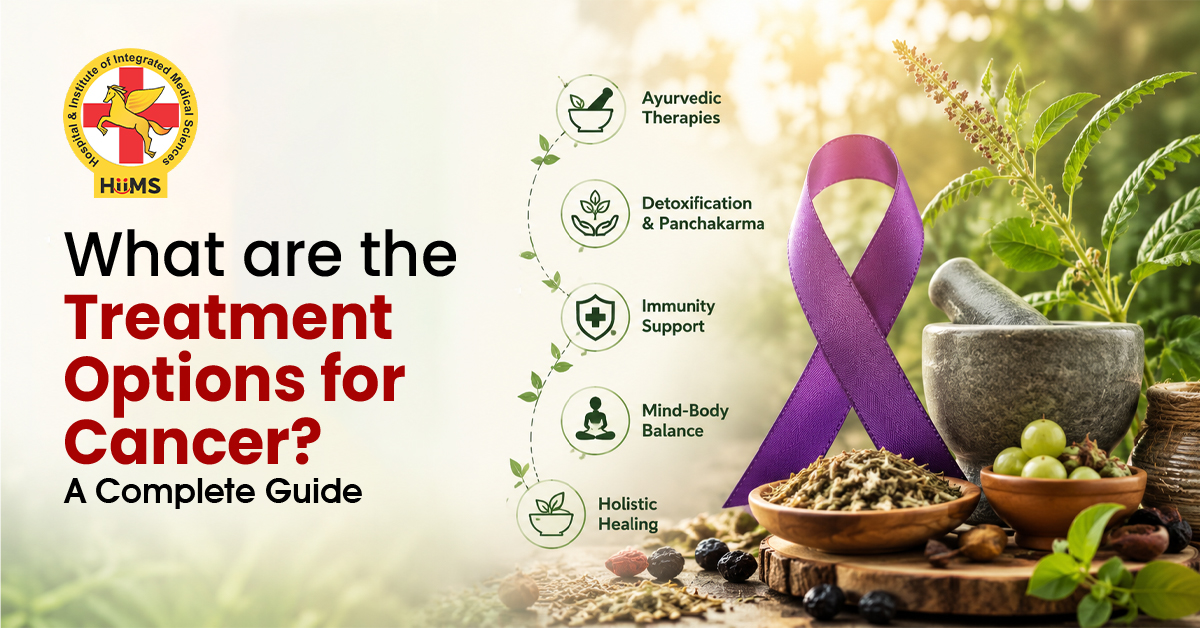
Hearing the word cancer for the first time can feel overwhelming, and one of the first questions that comes to mind is, “What are the treatment options for cancer?“ Before exploring the available treatments, it’s important to understand what cancer is. Cancer occurs when abnormal cells in the body begin to grow and divide uncontrollably, affecting healthy tissues and organs. Fortunately, advances in healthcare have made several treatment options for cancer available, including surgery, chemotherapy, radiation therapy, targeted therapy, immunotherapy, hormone therapy, and integrative approaches that support overall well-being alongside conventional care. The most appropriate cancer treatment depends on factors such as the type and stage of cancer and the individual’s overall health, making a personalized treatment plan essential for the best possible outcomes.
Once a diagnosis is confirmed, the next concern is always about treatment, and rightly so, because no two patients follow the exact same treatment plan. The right treatment differs from person to person. Some may benefit from one option, while others may need more than one treatment working together.
This guide walks through the common medical options first, then looks at how Ayurvedic care at Jeena Sikho HiiMS Hospital Surat supports the body alongside it. By the end, you will have a clear, simple picture of what choices exist and how they fit together.
What Is Cancer? Understanding the Condition Before Choosing Treatment
Cells in the body normally grow, divide, and die in a fixed cycle. Cancer starts when this cycle breaks down. Damaged cells keep dividing instead of dying off, and over time this pile-up forms a lump or tumor or, in some cases, spreads through the blood and lymph system to other organs.
How Does Cancer Develop in the Body?
Most cases start with changes inside the genetic material of a cell. These changes can build up because of age, exposure to harmful substances, family history, or lifestyle habits followed over many years. Once enough of these changes stack up, the cell loses its natural brakes and starts growing on its own terms.
Why Early Diagnosis Plays an Important Role in Treatment Planning
Catching the problem early gives doctors more time to work with. A tumor found before it spreads is usually easier to treat, and the person often has more options available, including gentler ones. This is why doctors keep repeating the same advice: do not ignore symptoms that stay for weeks without a clear reason.
How Do Doctors Decide the Right Cancer Treatment?
There is no single formula that fits every patient. Before recommending anything, oncologists look closely at a few things:
- Type of cancer
- Stage of cancer
- Overall health of the patient
- Age and medical history
- The patient’s individual needs and preferences
Because of these variables, the best treatment for cancer for one person may look completely different for another, even if both share the same diagnosis on paper.
Types of Cancer Treatment You Should Know
Modern medicine now offers several proven paths, and doctors often combine more than one depending on the case. Here is a simple look at the common types of cancer treatment used today.
Surgery
Surgery removes the tumour directly from the body when it is possible to do so safely. It works best when the growth is contained in one area and has not spread further.
Chemotherapy
Chemotherapy uses medicines that target fast-growing cells throughout the body. It can shrink tumours and stop the spread, though it may also affect some healthy cells along the way, leading to temporary tiredness or appetite changes.
Radiation Therapy
This method uses focused high-energy beams to damage cancer cells in a specific area. Doctors often use it before or after surgery to help lower the chances of cancer returning.
Immunotherapy
Immunotherapy works by helping the body’s own immune system recognise and respond to abnormal cells. It does not suit every type of cancer, but where it works, results can be encouraging.
Targeted Therapy
Targeted therapy focuses on specific changes found inside cancer cells. Doctors usually run tests first to confirm whether a patient’s cancer carries the characteristics that this therapy responds to.
Hormone Therapy
Certain cancers grow faster because of hormones in the body. Hormone therapy works by lowering or blocking these hormones to slow the disease down.
Stem Cell or Bone Marrow Transplant
This option replaces damaged bone marrow with healthy cells, and is generally reserved for specific blood-related cancers after other treatments.
Can Ayurveda Be Included in the Cancer Care Journey?
Many families now also look for ways to support the body through the process itself. This is where a supportive, holistic cancer treatment guide becomes useful, but as a companion to it, focused on strength, digestion, and everyday well-being.
The Ayurvedic Approach to Cancer Care at Jeena Sikho HiiMS
Old Ayurvedic texts describe abnormal growths as Granthi or Arbuda, and trace their root to an imbalance among Vata, Pitta, and Kapha (the three doshas) believed to govern the body’s functions. When these fall out of sync, tissues weaken, and the ground becomes favourable for disease.
Why Jeena Sikho HiiMS Follows an Integrated Healing Approach
The hospital works on the belief that healing goes beyond treating one organ. The focus stays on improving digestion, restoring natural cleansing, and building a lifestyle that supports the body while healthcare treatment continues.
Ayurvedic Therapies Offered at Jeena Sikho HiiMS for Supportive Cancer Care
Panchakarma for Natural Detoxification
Panchakarma is a set of five classical cleansing methods: Vamana, Virechana, Basti, Nasya, and Raktamokshana. Together, they aim to clear built-up waste from the body and support general wellness through the recovery period.
Golden Detox Therapy
This therapy uses a blend of natural herbs, including neem, guava leaves, raw turmeric, etc., used gently through an external foot-press churning method. Patients often describe feeling lighter and sleeping better afterwards.
Ayurvedic Cancer Detox Juice
Made fresh each morning from leafy greens, turmeric, ginger, beetroot, and more, this juice is taken with its natural fiber intact to support digestion as part of a daily wellness routine.
Personalized Herbal and Lifestyle Guidance
Every plan is built around the individual, combining herbal support with practical guidance on food, sleep, and daily routine.
Why Many Families Choose Jeena Sikho HiiMS for Holistic Cancer Care
Personalized Care
Each patient is assessed individually before any therapy begins, keeping the approach personal rather than generic.
Peaceful Healing Environment
The hospital is designed to feel calm rather than a clinical environment, which many patients say helps them function better emotionally.
Focus on Ayurveda, Diet, Lifestyle, and Natural Therapies
Food, rest, and daily habits are treated as part of the healing process, not an exception.
Integrated Approach That Supports Overall Well-being
The goal stays consistent throughout to support the body, not just the illness.
When Should You Consult a Cancer Specialist?
If any unusual symptom continues for more than a few weeks, it is worth getting checked rather than waiting it out. And once a diagnosis is confirmed, speaking with a cancer specialist early gives the most complete understanding of what lies ahead and which options apply to your specific case.
Conclusion
Understanding what is cancer the first real step toward making sense of the road ahead. From there, knowing the different types of cancer treatment available helps patients and families make informed choices alongside their doctors.
Alongside medical care, Ayurveda at Jeena Sikho HiiMS focuses on improving digestion, lifestyle, and natural well-being to support the patient through this journey.
If you are looking for guidance on your health concerns, you can opt for a VOPD consultation with expert doctors at Jeena Sikho HiiMS and take the next step with the right support beside you.

FAQs
Q1. What is cancer, and how does it develop?
Cancer develops when certain cells in the body grow beyond their normal cycle, often due to genetic changes building up over time.
Q2. What are the different types of cancer treatment?
Common options include surgery, chemotherapy, radiation therapy, immunotherapy, targeted therapy, and in some cases, hormone therapy or transplants.
Q3. Which is considered the best treatment for cancer?
It depends entirely on the type, stage, and the patient’s overall health, so doctors create the plan individually rather than following one set method.
Q4. Can Ayurveda be used along with cancer treatment?
Many people use Ayurvedic care alongside medical treatment to support digestion, strength, and overall well-being during recovery.
Q5. How does Jeena Sikho HiiMS support people during the cancer care journey?
The hospital offers personalized Ayurvedic therapies, herbal guidance, and lifestyle support designed around each patient’s individual needs.