
For a long time, cancer was something people mainly associated with older age. That picture is changing, at least for some types of cancer. Today, more attention is being given to cancer in young adults, particularly cancers diagnosed before the age of 50.
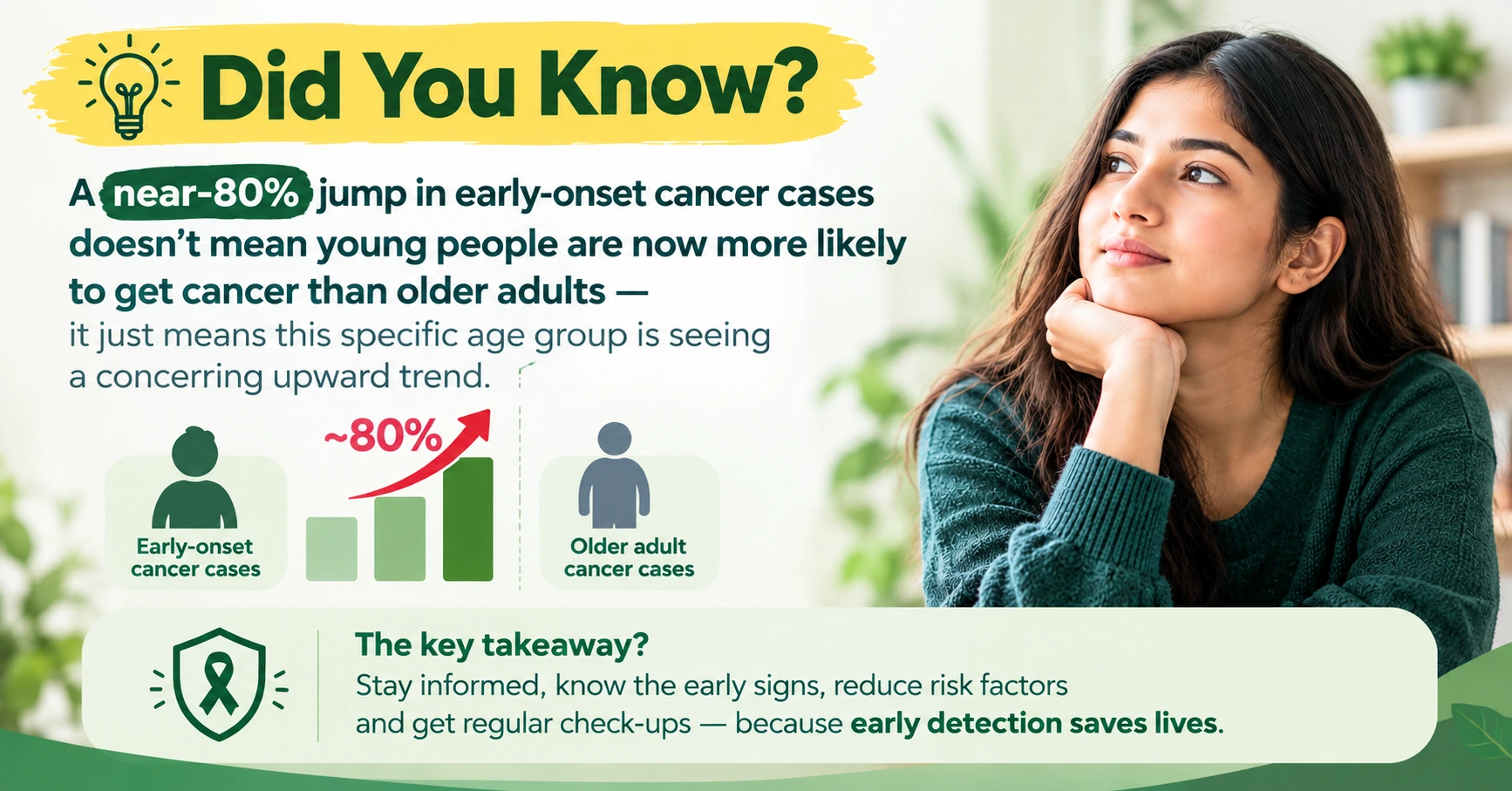
That does not mean cancer is now more common in young people than in older adults. Age remains one of the strongest overall risk factors for cancer, and the NCI reports that cancer incidence rises substantially with age. But certain early-onset cancers have been showing concerning trends.
A large Global Burden of Disease analysis found that the global incidence of early-onset cancer increased by 79.1% between 1990 and 2019, although trends vary considerably by cancer type and region.
So, why is cancer rising in people under 50? Researchers don’t have one simple answer. Lifestyle, body weight, diet, alcohol, tobacco, environmental exposures, genetics and other factors may all play a role, depending on the cancer.
Why Are More Younger Adults Being Diagnosed?
The phrase why is cancer rising in people under 50 can make it sound as though researchers have already found one definite cause. They haven’t.
Early-onset cancer is actually a broad group of diseases. Breast, colorectal, stomach and some other cancers have shown increases in younger populations, while other cancer types have not followed the same pattern. IARC is currently working on the causes of the increase in early-onset colorectal cancer, which shows that this remains an active area of research.
Some factors receiving attention include:
- More sedentary lifestyles
- Increasing rates of overweight and obesity
- Diets low in fibre and high in highly processed foods
- Alcohol consumption
- Tobacco exposure
- Certain infections
- Environmental exposures
- Family history and inherited genetic changes
It is also important not to turn these factors into a blame game. Having a particular lifestyle does not mean someone will develop cancer, and people without obvious risk factors can develop it too. The NCI notes that cancer risk is influenced by both factors people can control and factors they cannot, including age and family history.
What Does Gut Health Have to Do With Cancer?
The conversation around gut health and cancer risk has become much more interesting in recent years. Our digestive tract contains trillions of microorganisms, collectively known as the gut microbiome. These microbes interact with food, metabolism and the immune system.
So, how gut bacteria affects cancer risk is an area scientists are actively studying rather than something that can already be explained with one simple rule.
The National Cancer Institute says there is increasing evidence that the human microbiome, particularly gut bacteria, may be involved in cancer initiation and progression. Researchers are studying how changes in the microbiome interact with the immune system and other factors involved in cancer development.
There is also growing interest in the connection between gut health and cancer risk, particularly colorectal cancer. Some bacteria have been associated with colorectal cancer, while researchers are also investigating how diet can change the microbiome.
That is why how gut bacteria affects cancer risk should be viewed as an evolving research question. It is promising, but scientists are still working out which microbial changes matter, why they happen and whether changing the microbiome can actually prevent cancer.
Can Ayurveda Play a Role in Prevention?
Ayurveda has traditionally placed a lot of importance on digestion, food habits, daily routine and maintaining balance in the body. These ideas can fit naturally alongside several evidence-based habits that are already associated with lower cancer risk.
But there is an important distinction: there is currently no Ayurvedic medicine that can be said to guarantee cancer prevention. Ayurvedic cancer prevention is better understood as a lifestyle-focused approach rather than a promise that a particular herb or formulation can stop cancer from developing.
The same applies to Ayurvedic tips to reduce cancer risk. They should complement, not replace, established preventive measures such as avoiding tobacco, limiting alcohol, maintaining a healthy weight, staying physically active and following recommended screening and vaccination guidance. Thinking about adding Ayurveda to your wellness routine? Talk to our specialists to see what fits your health needs.
Some practical habits worth focusing on
A few practical habits are worth making part of your normal routine:
- Eat more whole foods: Make vegetables, fruits, pulses, whole grains, nuts and seeds regular parts of your diet. Fibre is particularly relevant to digestive health.
- Stay physically active: You don’t necessarily need an intense workout every day. Walking, cycling, yoga, strength exercises or simply being less sedentary can all help you stay active.
- Keep tobacco away: This is one area with little ambiguity. Tobacco is a major cancer risk factor and is linked with more than 20 types or subtypes of cancer.
- Be mindful of alcohol: Alcohol is classified by IARC as a Group 1 carcinogen and is causally linked with several cancers.
- Take care of your gut: A varied, fibre-rich diet supports a healthy dietary environment for the gut microbiome. Research is still developing on exactly how gut bacteria affects cancer risk, but the relationship between diet, microbes and health is an important area of investigation.
These are some of the more practical Ayurvedic tips to reduce cancer risk, particularly when Ayurveda’s traditional emphasis on food, digestion and daily routine is combined with modern preventive health advice.
How Jeena Sikho HiiMS Approaches Cancer Care
Jeena Sikho HiiMS takes an integrated approach to cancer care, bringing together Ayurveda, diet, lifestyle and supportive therapies. Along with personalised dietary guidance, HiiMS also offers therapies such as Golden Therapy and Cancer Detox Juice as part of its wellness and cancer-support approach.
1) Golden Therapy
Golden Therapy is one of the distinctive therapies offered at Jeena Sikho HiiMS. It uses a herbal paste prepared from a combination of traditionally used plants and herbs. The paste is applied to the soles of the feet as part of the therapy. The herbs used in the paste may include ingredients such as neem, guava, peepal, banyan, bitter gourd, raw turmeric and doob grass.
2) Cancer Detox Juice
Nutrition is another important part of the HiiMS approach. Cancer Detox Juice is a green herbal juice prepared using ingredients such as leafy greens, herbs and other plant-based ingredients. The idea is fairly simple: provide the body with a fresh, nutrient-rich drink that can fit into a structured dietary routine.
Conclusion
The rise of cancer in young adults is a reminder that preventive health deserves attention well before old age. While researchers are still trying to understand why is cancer rising in people under 50, there are everyday steps we can take today: eating better, staying active, avoiding tobacco, limiting alcohol, and paying attention to gut and metabolic health.
Ayurveda can be a supportive part of this journey, particularly when its focus on food, digestion, and daily routine is combined with appropriate modern healthcare. Practices such as Ayurvedic cancer prevention and other lifestyle-focused approaches should be personalised rather than treated as a one-size-fits-all solution.
Want guidance based on your individual health needs? Book a VOPD consultation with Jeena Sikho HiiMS and take the first step towards a more personalised approach to your wellbeing.

FAQs
Q1. Why is cancer rising in people under 50?
Causes of emerging early-onset cancers are still being studied, but they are on the rise. Different cancers may be caused by different lifestyle, environmental, genetic and metabolic factors.
Q2. Can gut health affect cancer risk?
Gut microbes may influence immunity, inflammation and cancer development, but scientists are still determining exactly how these relationships work.
Q3. What are Ayurvedic tips to reduce cancer risk?
Ayurvedic lifestyle principles emphasise balanced food, digestion, regular routines and healthy habits, alongside proven measures such as avoiding tobacco and limiting alcohol.
Q4. Is Ayurvedic cancer prevention scientifically proven?
Ayurveda may support healthy lifestyle practices.
Q5. How do gut bacteria affect cancer risk?
Gut bacteria interact with metabolism and the immune system, and some microbial patterns are associated with cancer, particularly colorectal cancer, although research continues.
Disclaimer: The information provided on this blog is for general educational and informational purposes only. It is not intended to replace professional medical advice, diagnosis, or treatment. Always consult a qualified healthcare professional before making any changes to your diet, lifestyle, or treatment plan. Individual results may vary.