
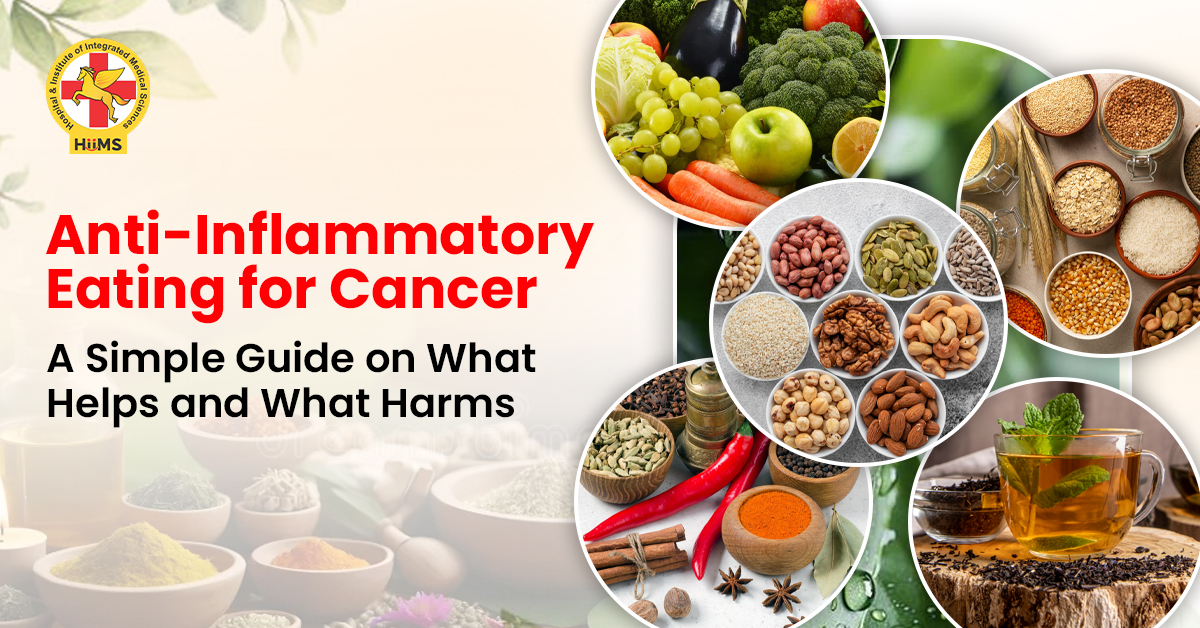

Food often becomes a practical part of daily planning when the body needs a steadier routine. An anti-inflammatory cancer diet follows this simple idea by keeping meals natural, light, and easy to handle. The approach is not built on strict combinations or complicated charts. It leans toward calm ingredients such as vegetables, fruits, soft grains, and mild flavours that sit comfortably in the system. At a cancer hospital, the usual guidance is to avoid anything that brings heaviness or unnecessary strain.
The aim is to let the body work without extra pressure from what is eaten throughout the day. This style of eating encourages a consistent rhythm where meals are predictable and gentle instead of overwhelming. When the plate stays close to natural ingredients, and the cooking remains uncomplicated, the routine becomes easier to follow. The entire pattern is meant to help the body stay in a quieter and more balanced state.
What This Approach Tries to Maintain
This eating style focuses on keeping meals simple, light, and easy to manage. It uses everyday ingredients that the body can handle without strain. A cancer specialist often explains this in the same straightforward way: avoid heavy cooking methods and stay with foods that settle well during regular meals. When the routine remains this clear, digestion stays more organized, and the day moves in a smoother rhythm. It becomes easier to notice what suits the body and what doesn’t, without turning the routine into something complicated.
DIP Diet: Anti-Inflammatory Cancer Diet
The DIP Diet fits well with an anti-inflammatory cancer diet because it keeps meals natural, fresh, and arranged in a clear order. The idea is to use food in a way that supports daily balance without creating heaviness. It leans on plant-based choices, fruits, vegetables, and simple cooked meals that the body can handle smoothly. At a cancer hospital, like Jeena Sikho HiiMS, this approach is often preferred because it keeps the routine steady and easy to follow.
Core Thought of the DIP Diet
A common idea linked with this routine is:
“When food choices are right, the body stays more organized. When food choices are wrong, nothing else works well.”
This is why raw food is taken first and cooked food later, allowing the stomach to manage meals in an easier sequence. Let’s discuss how the dip diet works and why it is so effective.
How the DIP Diet Works
Why Plate-1 Comes First
Plate 1 includes raw fruits or raw vegetables. It is placed first because:
- Raw items carry natural enzymes
- They maintain an alkaline balance
- They digest without strain
- They avoid heaviness
- They prepare the stomach before cooking food
Plate-2 is taken right after Plate-1, without a gap, so the order remains smooth.
DIP Diet – Daily Meal Pattern
Breakfast (7 AM – 9 AM)
Plate-1:
- Seasonal fruits (3–5 types)
- Quantity: Body Weight × 10 g
Plate-2:
- A simple home meal
or - Millet dishes like poha, upma, or daliya
Lunch (1 PM – 2 PM)
Plate-1:
- Seasonal vegetable salad (3–5 types)
- Quantity: Body Weight × 5 g
Plate-2:
- Normal home-cooked food
or - Millet options like khichdi, chapati, dhokla, or daliya
Dinner (Before Sunset)
Option A – Without Dinner:
- Plate-1: Fruits + vegetable salad
(Body Weight × 10 g)
Option B – With Dinner:
- Plate-1: Fruits + vegetable salad
(Body Weight × 5 g)
- Plate-2: Light vegetable soup
There should be no gap between Plate-1 and Plate-2.

Why Raw Food Is Given Priority
Raw fruits and vegetables are preferred because:
- They digest easily
- They provide natural nutrients
- They stay light on the stomach
- They match the body’s daily rhythm
- They form a clean base before cooked meals
This makes raw food central to the DIP Diet.
What Not to Eat in the DIP Diet
- Deep-fried foods
- Processed or packaged items
- Heavy dairy products
- Refined sugary foods
- Very spicy or extremely hot dishes
- Negative millets (low-fiber millets that are harder to digest)
Why Guidance Matters
Food habits during illness change from person to person. This is where a cancer specialist plays an important role in shaping personalized diet patterns. At Jeena Sikho HiiMS, often regarded as the best cancer hospital in India, the focus stays on understanding each patient’s situation clearly. Experts here follow Acharya Manish Ji’s thought of working in harmony with the body instead of forcing it in any direction. They help families pick foods that match energy levels, daily routines, and digestive strength.
Conclusion
An anti-inflammatory cancer diet works best when the routine stays plain, and close to natural foods. The idea is not to follow heavy rules but to choose ingredients that sit well in everyday meals and do not burden the body. At Jeena Sikho HiiMS, guidance is usually shaped around practical, easy steps so the routine becomes manageable for anyone. When meals stay light, fresh, and uncomplicated, the body gets a calmer pattern to work with. This simple approach helps maintain a stable rhythm through the day and supports a more balanced way of eating.
FAQs
- What makes an anti-inflammatory diet suitable for someone dealing with cancer?
It is suitable because the meals stay light, natural, and easy to process. - Is it fine to include spices in daily cooking?
Mild spices usually work well as long as they are not used in heavy amounts. - Can someone take herbal teas every day?
Herbal teas taken in moderation often give a gentle, calming experience.
 Reviewed By Dr. Rajpal Dhaka