
Cancer can bring many changes to a person’s everyday life. Energy levels may fall, appetite may change, sleep can become disturbed, and even simple daily work may feel tiring. During this time, the way a person eats, sleeps, moves, and manages emotional stress also deserves attention. A well-planned routine can help the body receive proper nourishment and may make day-to-day life more comfortable. Research also supports the role of good nutrition, suitable physical activity, proper rest, and emotional care during cancer care.
Many families also wonder, what is the best diet during cancer treatment?
There is no single food plan that suits every person. Cancer type, appetite, digestion, body weight, ongoing care, and general health can all affect food needs. This is why lifestyle changes for cancer patients should be practical, gentle, and planned according to the individual.
Why Does Lifestyle Matter During Cancer Care?
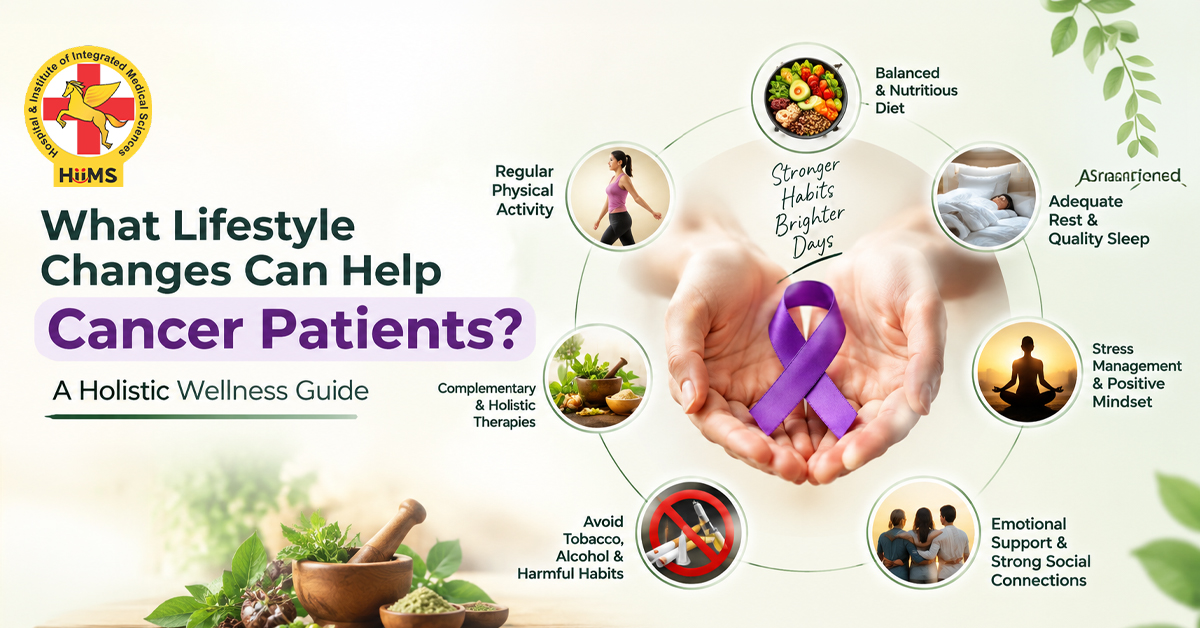
Cancer can affect a person’s energy, appetite, sleep, mood, and daily routine. A healthy lifestyle during cancer treatment can focus on wholesome food, proper rest, gentle movement, digestion, and emotional balance.
The idea of holistic wellness for cancer is to look at overall wellbeing rather than one concern alone. A simple and flexible routine can help a person manage daily activities according to their energy and comfort.
What is the Best Diet During Cancer Treatment?
Food requirements can differ greatly from one cancer patient to another. Some people may eat normally, while others may struggle with nausea, loss of appetite, mouth discomfort, or changes in taste. Good nutrition for cancer care therefore needs to be adjusted according to the person’s present condition.
A simple food routine may include:
- Freshly prepared vegetables and seasonal fruits when suitable
- Dal, beans, lentils, nuts, seeds, or other suitable protein sources
- Rice, roti, oats, daliya, or other easy-to-digest grains
- Soups, coconut water, plain water, and other suitable fluids
- Small meals at regular intervals when eating a large meal is difficult
- Less dependence on highly processed and very sugary foods
When asking, ‘What is the best diet during cancer treatment?‘, it is better to think about nourishment rather than searching for one special cancer-fighting food. Food should provide enough energy, protein, fluids, and other nutrients according to individual needs.
How Can Gentle Exercise Support Wellbeing?
Gentle movement can be included in the day when the person feels comfortable. The amount of exercise during cancer treatment should depend on individual strength and energy.
Suitable options may include:
- Slow walking
- Gentle stretching
- Simple yoga
- Breathing exercises
- Light household activities
There is no need to exercise for long hours. A few minutes of comfortable movement can be enough, while rest should be taken whenever the body feels tired.
How Can Stress Management Help During Cancer Care?
Cancer can bring fear, sadness, worry, and emotional pressure. Simple stress management practices may help a person feel calmer and better supported during difficult days.
- Deep breathing: Take a few quiet minutes for deep, relaxed breathing.
- Share your feelings: Talk openly with family or someone you trust.
- Spend quiet time: Prayer, meditation, music, or time in nature may feel comforting.
- Take regular breaks: Give yourself time to rest when the mind feels overwhelmed.
Stress management for cancer patients can create space for emotional comfort and help them cope with difficult feelings without forcing themselves to stay positive all the time.
Why Is Restful Sleep Important During Cancer Care?
Good sleep can help the body and mind get the rest they need. Some sleep tips for cancer patients include:
- Keep regular sleeping and waking times.
- Keep the bedroom quiet and comfortable.
- Avoid long naps during the day.
- Try gentle breathing, reading, or calming music before bed.
- Limit tea, coffee, and heavy meals at night if they disturb sleep.
A calm and regular sleep routine can support better rest and make daily life more comfortable.
Which Habits Should Be Avoided During Cancer Care?
Some everyday habits may not support overall wellbeing, so a daily routine for cancer patients should focus on simple, safe, and comfortable choices.
- Avoid tobacco: Tobacco can place extra stress on the body and should be avoided.
- Limit processed foods: Choose fresh, nourishing foods more often instead of highly processed options.
- Avoid prolonged sitting: Include short periods of gentle movement when the body feels comfortable.
- Take care with food safety: Choose freshly prepared food and store it properly. Raw or poorly handled food may not be suitable for everyone, especially when immunity is low.
Small changes in everyday habits can support a cleaner, safer, and more comfortable routine during cancer care.
Why Are People Considering Ayurveda for Cancer Recovery?
Ayurveda takes a broader view of wellbeing by giving attention to food, digestion, daily routine, sleep, emotional balance, and mental calmness. For this reason, some people consider an Ayurvedic lifestyle as part of their cancer recovery support, along with personalised dietary and lifestyle guidance.
The approach can include simple habits such as mindful eating, gentle yoga, breathing practices, meditation, and a suitable daily routine. These practices should be selected according to the person’s individual needs and comfort.
Conclusion
Cancer-related wellbeing is not only about one aspect of health. Food, sleep, movement, mental peace, digestion, and family support can all have a place in everyday wellbeing.
If you are wondering, “What is the best diet during cancer treatment?” remember that dietary needs can differ according to a person’s condition, appetite, strength, and nutritional needs.
At Jeena Sikho HiiMS, a natural wellness-focused approach may include attention to diet, daily routine, yoga, and Ayurvedic principles according to individual needs. Patients and families can also choose a VOPD consultation to discuss suitable lifestyle and dietary guidance from home.

FAQs
Q1. Should cancer patients avoid processed foods?
It is generally better to limit highly processed foods and choose fresh, nourishing options more often.
Q2. Can gentle exercise be done during cancer care?
Gentle movement such as walking or stretching may be included when the person feels comfortable and has enough energy.
Q3. Why is good sleep important during cancer care?
Adequate sleep gives the body and mind time to rest and may make daily activities easier to manage.
Q4. How can Ayurveda support daily wellbeing?
Ayurveda focuses on suitable food, digestion, daily routine, rest, and mental balance according to individual needs.
Q5. Can an Ayurvedic lifestyle be personalised?
Yes, Ayurvedic lifestyle practices can be selected according to a person’s individual needs, strength, digestion, and comfort.