
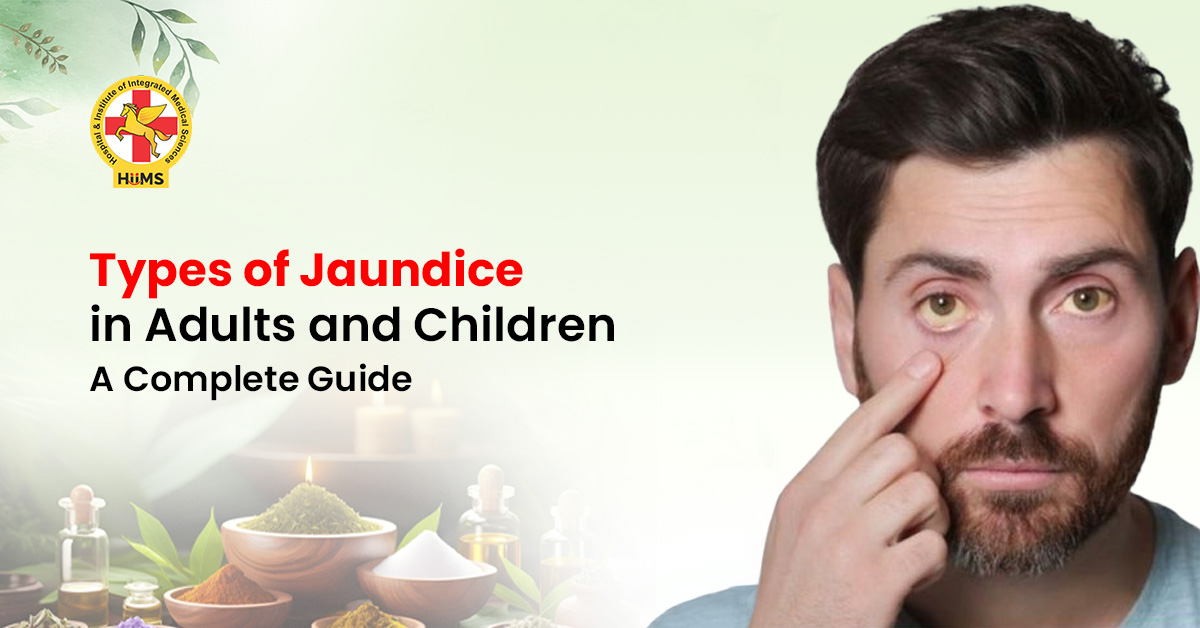
Jaundice is a condition that becomes visible on the body, but its real issue starts much deeper inside. When the skin and the white part of the eyes slowly turn yellow, people naturally feel worried. Many think it happens suddenly, but the changes inside the body start much earlier. Jaundice is not a disease by itself. It is more of a signal. It tells us that the liver or the bile system is not working properly and needs care.
Inside the body, red blood cells keep breaking down as part of a normal process. During this breakdown, a yellow substance called bilirubin is formed. Usually, the liver removes bilirubin through bile and sends it out of the body. But when the liver becomes weak, damaged, or blocked, this process does not happen smoothly. Bilirubin then starts collecting in the blood, resulting in jaundice.
This condition is seen in newborn babies, children, and adults. The causes are not the same for everyone. Learning about the types of Jaundice helps people understand the problem in time. Early knowledge often reduces fear and confusion. It also helps in starting treatment at the right moment. This guide explains jaundice simply and clearly.
Understanding Jaundice in Adults and Children
Jaundice affects adults and children differently because their bodies do not function in the same way. In adults, jaundice often points toward liver-related problems. It may be linked to hepatitis, regular alcohol intake, fatty liver disease, gallstones, or long-term use of certain medicines. Lifestyle habits also play a role here. Poor eating habits, lack of exercise, and uncontrolled diabetes slowly weaken the liver. Many times, the damage happens quietly.
In children, especially newborn babies, jaundice is very common. A baby’s liver is not fully developed, so it takes some time to handle bilirubin. Usually, this type of jaundice goes away on its own. Still, if an older child has jaundice, it should not be ignored.
It could be caused by infections, problems with the blood, or liver issues. Parents often wonder what causes jaundice, but the reason can change depending on age and health history. Medical guidance becomes important in such cases.
Types of Jaundice in Adults and Children
Doctors usually divide jaundice into three main groups. These types of Jaundice are identified based on where the problem begins inside the body. This grouping helps doctors figure out the cause and decide the proper treatment.
1. Pre-Hepatic Jaundice: A Type Seen Before Liver Involvement
Pre-hepatic jaundice occurs when red blood cells break down faster than usual. Because of this rapid breakdown, too much bilirubin is formed even before it reaches the liver.
Diseases like malaria, sickle cell anemia, and other blood-related conditions can cause this type. In such situations, the liver itself remains healthy. Still, it becomes overloaded due to excess bilirubin. This explains one major reason behind what causes jaundice in blood disorders.
2. Hepatic Jaundice: Liver-Related Jaundice in Adults and Children
Hepatic jaundice begins inside the liver. In this condition, the liver cells are damaged and are not able to handle bilirubin properly. Common causes are viral hepatitis, fatty liver, drinking too much alcohol, and some medicines. This type is one of the most common forms of jaundice in adults. Children can also develop it, mostly due to infections or inherited liver issues. The damage may happen slowly, but the effect becomes visible over time.
3. Post-Hepatic Jaundice: Jaundice Caused by Blocked Bile Flow
Post-hepatic jaundice happens when bile flow gets blocked after the liver has already processed bilirubin.
Gallstones, tumors, or narrowing of the bile ducts can block this flow. When bile cannot move forward, bilirubin flows back into the blood. As a result, jaundice develops. This condition often requires medical procedures along with the best jaundice treatment suggested by doctors.
Common Symptoms of Jaundice You Should Not Ignore
Jaundice usually comes with other symptoms. These signs should not be ignored:
- Yellow skin and eyes
- Dark-coloured urine
- Pale or clay-like stools
- Constant tiredness
- Mild pain in the upper part of the abdomen
These symptoms help doctors understand the type and how serious the condition may be.
What Causes Jaundice in Different Age Groups
In children, jaundice is mostly caused by an underdeveloped liver or infections. In adults, it usually happens due to liver disease, blocked bile ducts, or blood problems. Understanding the cause of jaundice helps doctors treat it fast and avoid problems.
Effective Jaundice Treatment for Long-Term Liver Support
There is no single medicine that works for every case of jaundice. Effective jaundice treatment depends on the cause. According to Ayurveda, jaundice often happens because of a pitta imbalance and toxins building up due to weak digestion.
Healing takes time, so ongoing care is very important. Getting enough rest, eating simple and light meals, and staying away from alcohol help the liver recover. Regular check-ups let doctors track progress and make changes to treatment if needed. Doing these things supports the liver and helps prevent problems in the future.
Once the main cause is treated, jaundice starts improving slowly.

Daily Prevention Habits to Support Liver Health and Diabetes Control
Daily habits play an important role in protecting the liver and, along with the best jaundice treatment, are especially important for people with diabetes.
Helpful habits include:
- Eating simple and homemade food.
- Avoiding sugar and oily foods.
- Daily habit of walking or light exercise.
- Drinking enough water.
- Checking blood sugar levels regularly.
These steps help reduce stress on the liver.
Conclusion
Jaundice is an important signal given by the body and should never be ignored. Different types of Jaundice explain where the problem starts and how serious it may become.
Adults and children develop jaundice for different reasons, so effective jaundice treatment in Sikar should always match the cause. Finding jaundice early, following healthy daily habits, and getting proper guidance help manage it safely.
If you are dealing with any type of jaundice, timely care and awareness can help you recover well and protect your liver health in the long run. For more information, you can contact Jeena Sikho HiiMS at +91 82704-82704, or email care@jeenasikho.com
FAQs
Q1: Is jaundice a disease?
It is a sign that the liver or bile system is not working properly.
Q2: What are the types?
Pre-hepatic, hepatic, and post-hepatic jaundice.
Q3: Can babies get jaundice?
Babies get jaundice because their liver is still developing.
Q4. What are the symptoms of jaundice?
Yellow skin and eyes, dark urine, pale stools, or tiredness.
Q5. Can jaundice be prevented?
Healthy habits like proper diet, exercise, and avoiding alcohol can help.