


Heartburn is a common digestive complaint that can make an ordinary day uncomfortable. It usually feels like a burning sensation in the chest and may sometimes leave a sour or bitter taste in the mouth. For some people, it appears after a heavy meal, while for others it becomes worse at night or after lying down. Occasional heartburn may not be a serious concern, but repeated symptoms should not simply be ignored.
Many people look for a home remedy for heartburn because they want a simple way to manage the burning sensation. However, the answer is not always one particular food or drink. Eating habits, meal timings, stress, sleep and food choices can all affect the digestive comfort. A natural approach therefore begins with understanding what may be disturbing digestion and then making small changes in daily life.
Ayurveda places strong importance on digestion and the way we follow our daily routine. Eating simple foods and paying attention to daily habits can support better digestion. The focus should not be on finding a quick trick, but on following the habits that are easy on the digestive system.
What Causes Heartburn?
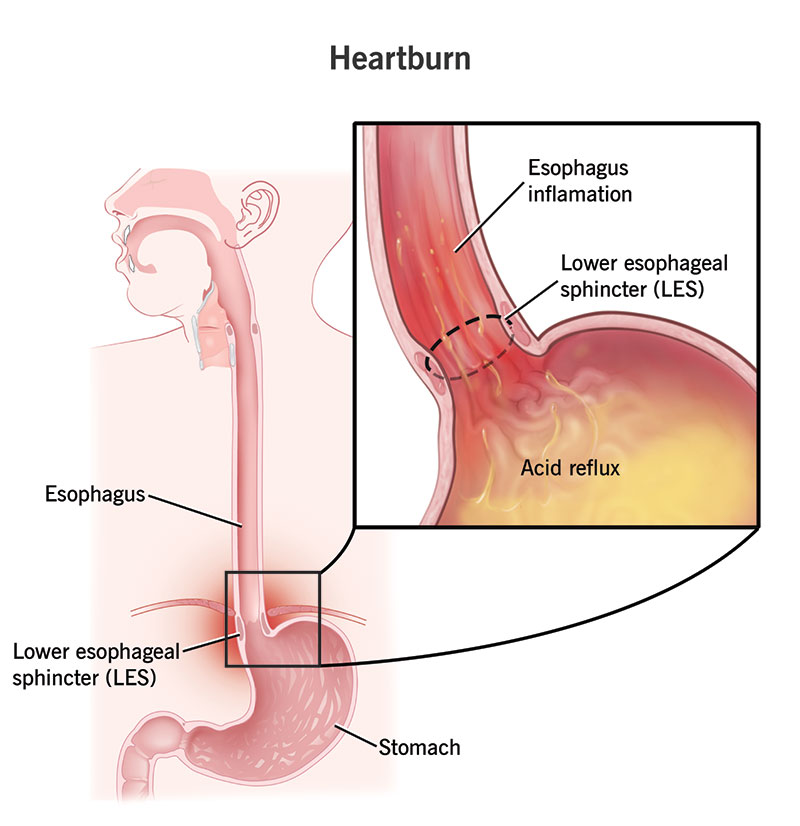
Heartburn happens when stomach contents move back towards the food pipe. This can irritate the lining and create the familiar burning sensation. Acid reflux and heartburn are closely related, although heartburn is mainly the symptom that a person feels. When reflux happens regularly, it may be linked with GERD.
Several everyday habits may make heartburn more likely. These include,
- Eating very large meals
- Eating spicy or fatty foods
- Eating too close to bedtime
- Lying down soon after eating
- Drinking coffee or other caffeinated drinks
- Eating foods that personally trigger symptoms
- Wearing tight clothing around the stomach
- Being overweight, which can increase pressure on the abdomen
This is why simply looking for heartburn treatment not be enough. It is equally important to look at the routine that comes before the discomfort.
Simple Home Remedy for Heartburn Options
There is no single natural remedy that works for everyone. A food or drink that feels comfortable for one person may cause discomfort in another. If you are wondering how to relieve heartburn naturally, simple choices like these can be included in your daily routine to support better digestion and comfort.
1. Jeera Water
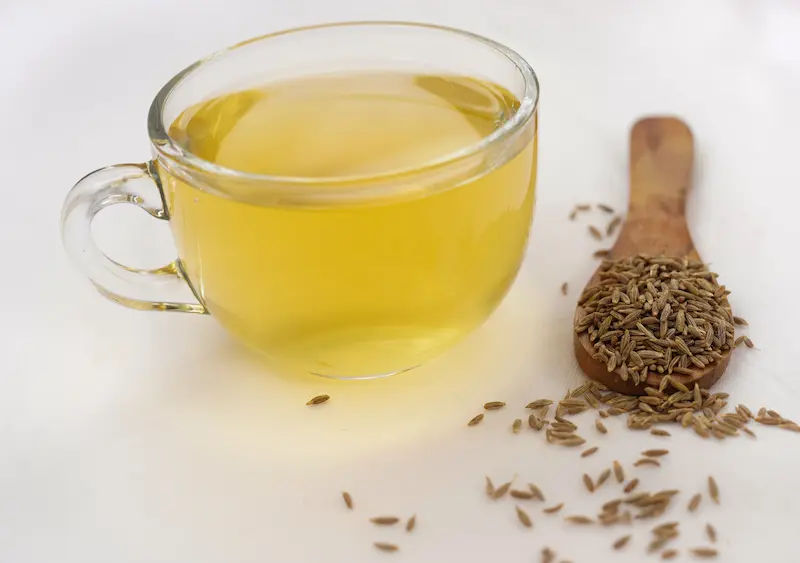
Jeera water is traditionally used in many Indian homes after meals or as part of the morning routine. It is generally taken in a simple form without adding sugar or strong spices. Some people find it comfortable and light on the stomach.
2. Saunf After Meals
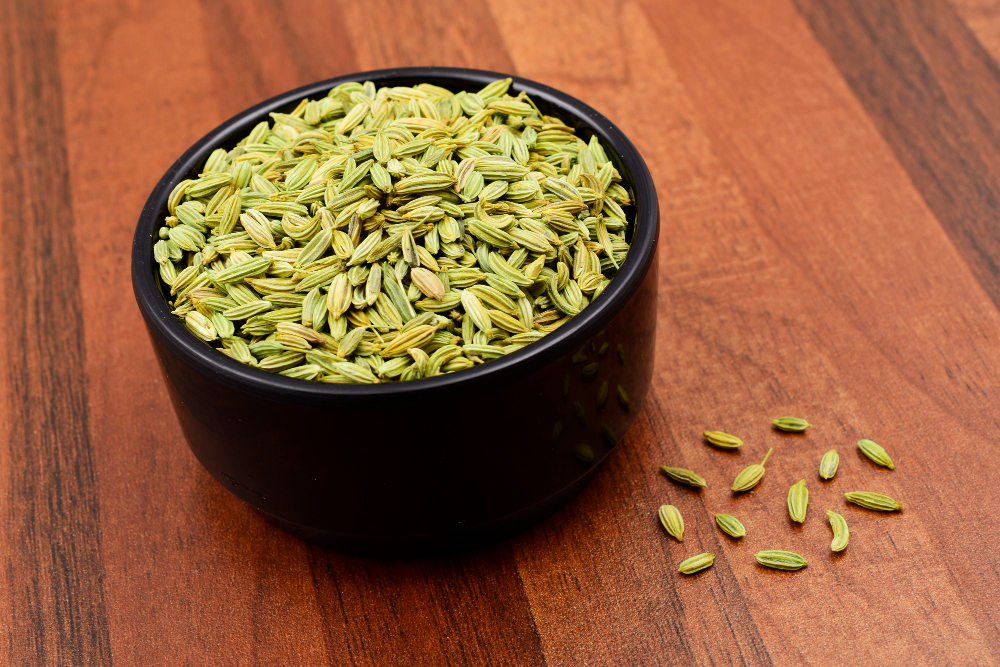
Many people chew a little saunf after having their food. It is a common practice in Indian homes and can leave the mouth fresh. Some people also find it comfortable and soothing after a meal.
3. Coconut Water

Coconut water can be a refreshing choice when you want to keep yourself hydrated. Some people also prefer drinking it when they feel warmth or mild discomfort after a meal.
Try to have plain coconut water instead of adding sugar or other sweet ingredients to it. If you have any dietary restrictions, keep your own food needs in mind before adding it to your routine.
4. Banana as a Light Snack

A ripe banana can be a simple snack for people who tolerate it well. It is soft, filling, and easy to include between meals.
There is no need to force a particular fruit if it does not suit you. A home remedy for heartburn should always be based on personal tolerance rather than a fixed rule.
5. Warm Water

Small sips of warm water may feel comfortable for some people, especially when taken instead of very cold or fizzy drinks. It can also encourage a person to drink water regularly during the day.
However, drinking large amounts immediately after a heavy meal is not necessary. A calm and balanced routine is more useful than excessive water intake.
Daily Habits That Can Help Reduce Heartburn
Food is only one part of the picture. The way you eat and what you do after eating can also matter.
Try these simple habits,
- Eat slowly and chew food properly.
- Keep meals moderate instead of eating until you feel very full.
- Avoid lying down soon after eating.
- Keep dinner at least three hours before going to bed if night symptoms are common.
- Take a gentle walk after meals instead of immediately going to bed.
- Notice which foods repeatedly cause your symptoms.
- Maintain a healthy body weight if advised by a healthcare professional.
- Avoid tight clothes that put pressure around the abdomen.
These habits are often more useful when followed regularly instead of trying many different remedies at once.
Foods to Include in a Gentle Digestive Routine
There is no universal heartburn diet because food triggers are different for different people. Still, meals that are simple and not very oily or spicy may be easier for some people to tolerate.
You may consider foods such as,
- Oats
- Ripe banana
- Bottle gourd
- Lightly cooked vegetables
- Plain rice
- Simple homemade meals
- Coconut water
At the same time, keep a note of foods that seem to increase your symptoms. Common triggers can include spicy foods, high-fat foods, coffee, chocolate, mint, citrus foods and tomato products. Not everyone reacts to every item, so your own pattern is important.
When Should You Take Heartburn Seriously?
A little burning after food may settle on its own when you bring some changes to your eating habits and daily routine. Still, repeated heartburn or discomfort that affects your day needs attention. Jeena Sikho HiiMS Raipur, a renowned Ayurvedic hospital, focuses on natural ways of care and considers digestion, lifestyle and overall health as important parts of wellness. It is also important to understand the symptoms and their cause before starting any natural care approach.
Difficulty swallowing, persistent vomiting, unexplained weight loss, vomiting blood, black stools or severe chest pain need prompt medical attention. Chest pain should never be assumed to be heartburn, as it can sometimes be linked to a heart problem.
Why Consistency Matters
Trying a different remedy every day can make it difficult to understand what actually suits your body. A better approach is to keep the routine simple.
Choose lighter meals, eat slowly, avoid your known triggers and give enough time between dinner and sleep. If you are using a home remedy for heartburn, observe how your body responds instead of assuming that a natural remedy is automatically suitable for everyone.
Natural care works best when it becomes part of everyday life. Good digestion is supported by the regular meals, proper sleep, mindful eating and a balanced routine.
Conclusion
Heartburn can often be connected with everyday eating habits and an irregular routine. A simple home remedy for heartburn may provide comfort for some people, but long term care should focus on better food choices, meal timings and daily habits. If you are looking for natural heartburn relief, it is important to understand your own food triggers and digestive pattern. At Jeena Sikho HiiMS Raipur, natural wellness focuses on understanding the person and their routine. For the personalised guidance, you can also opt for a Book an appointment and discuss your symptoms with a qualified professional.

FAQs
Q1. What is a simple home remedy for heartburn?
Ans. Simple options such as plain warm water, saunf or a light meal may feel comfortable for some people. However, there is no single remedy that works for everyone.
Q2. Can food habits make heartburn worse?
Ans. Yes. Large meals, spicy foods, fatty foods, coffee and certain other foods may trigger symptoms in some people. Keeping track of personal triggers can be helpful.
Q3. Is it okay to lie down after eating?
Ans. It is better to remain upright after eating. If you often experience symptoms at night, finishing your meal at least three hours before lying down may help.
Q4. Can bananas be included in a heartburn-friendly diet?
Ans. A ripe banana can be a light snack for the people who tolerate it well. However, food tolerance is different for each person.
Q5. How can I relieve heartburn naturally at night?
Ans. Try having dinner earlier, avoid foods that trigger your symptoms and remain upright after eating. If night symptoms continue regularly, seek the professional guidance.
Disclaimer: The information provided on this blog is for general educational and informational purposes only. It is not intended to replace professional medical advice, diagnosis, or treatment. Always consult a qualified healthcare professional before making any changes to your diet, lifestyle, or treatment plan. Individual results may vary.