
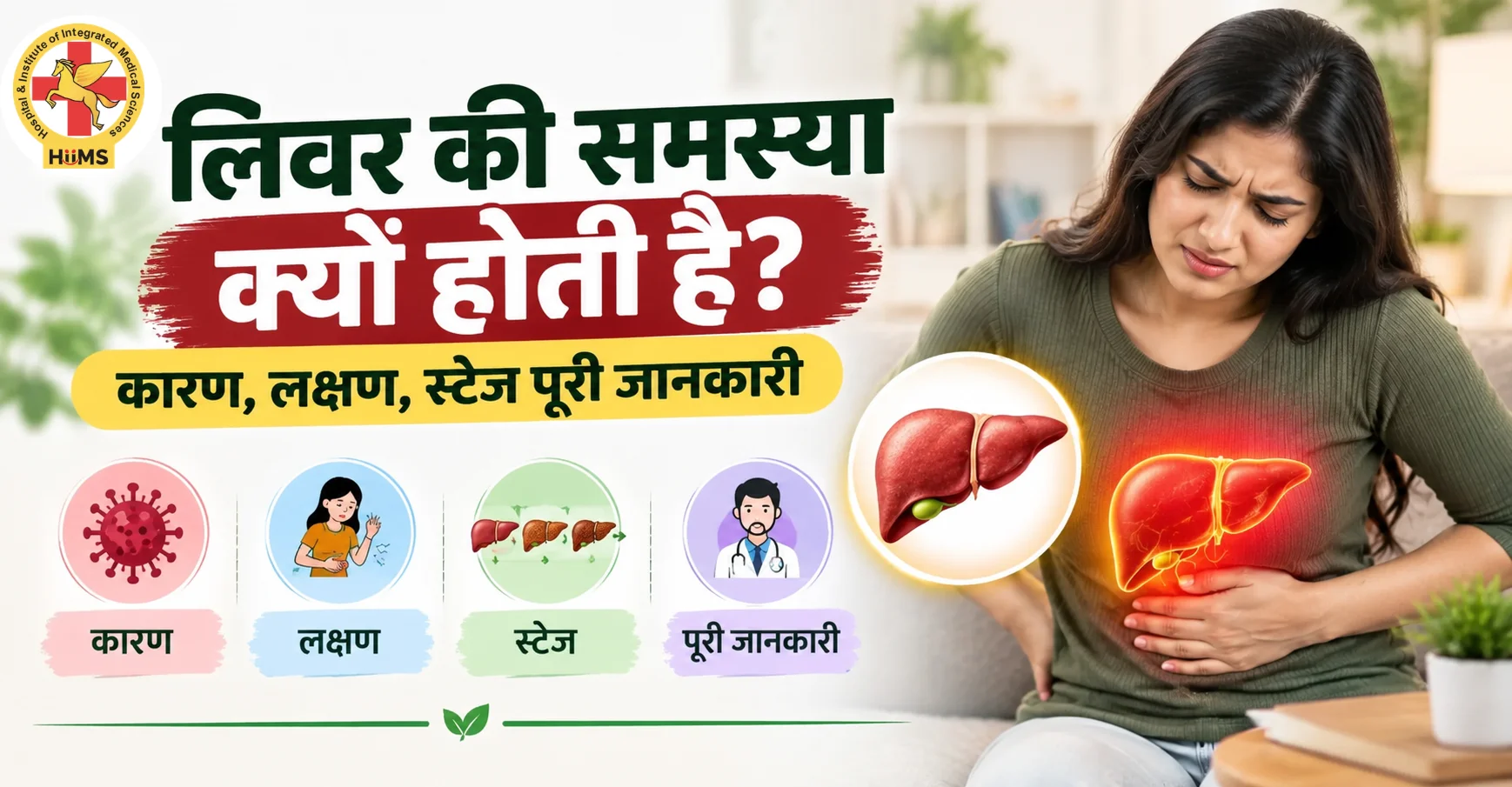
लिवर शरीर का एक महत्वपूर्ण अंग है, जो पोषक तत्वों के metabolism, ऊर्जा के भंडारण, कई जरूरी proteins के निर्माण और शरीर में दवाओं व अन्य पदार्थों के processing जैसे कामों में भूमिका निभाता है। जब लिवर की कोशिकाओं में लंबे समय तक सूजन, वसा का जमाव, संक्रमण या scarring होने लगती है, तो अलग-अलग प्रकार की liver diseases विकसित हो सकती हैं।
लिवर की बीमारी हमेशा शुरुआत में स्पष्ट लक्षण नहीं देती। कुछ लोगों में fatty liver या शुरुआती fibrosis केवल blood tests या ultrasound/FibroScan जैसी जांचों के दौरान पता चलती है। दूसरी ओर, jaundice, पेट में पानी भरना, पैरों में सूजन या बहुत अधिक कमजोरी जैसे लक्षण advanced liver damage की ओर संकेत कर सकते हैं।
इसलिए केवल “लिवर के लिए कोई दवा” लेने के बजाय यह समझना जरूरी है कि लिवर की समस्या किस कारण से हुई है, liver damage कितना है और कौन-सी treatment approach उस व्यक्ति के लिए उचित है।
लिवर की बीमारी क्या होती है?
Liver disease कोई एक बीमारी नहीं है, बल्कि कई अलग-अलग स्थितियों का समूह है।
इनमें शामिल हो सकती हैं:
- Fatty liver / MASLD
- Hepatitis A, B, C और अन्य प्रकार के hepatitis
- Alcohol-associated liver disease
- Liver fibrosis
- Cirrhosis
- Autoimmune liver diseases
- Genetic या metabolic liver disorders
- कुछ medicines या supplements से होने वाली liver injury
- Bile duct से जुड़ी समस्याएं
Hepatitis का अर्थ सामान्य रूप से liver inflammation है। यह viral infection, alcohol, कुछ medicines या toxins तथा autoimmune कारणों से हो सकता है। Hepatitis B और C जैसे chronic viral infections समय के साथ cirrhosis और liver cancer का risk बढ़ा सकते हैं।
लिवर की बीमारी क्यों होती है?
लिवर damage का कारण हर व्यक्ति में एक जैसा नहीं होता।
1. Fatty liver और metabolic problems
आज fatty liver का संबंध obesity, insulin resistance, type 2 diabetes, high cholesterol और अन्य metabolic risk factors से काफी जुड़ा हुआ है।
अब non-alcoholic fatty liver disease के लिए MASLD (Metabolic Dysfunction-Associated Steatotic Liver Disease) terminology का भी उपयोग किया जाता है। इसमें liver में fat accumulation के साथ metabolic risk factors मौजूद होते हैं।
2. Alcohol
लंबे समय तक अधिक alcohol का सेवन liver में inflammation और damage का कारण बन सकता है। लगातार damage होने पर fibrosis और cirrhosis विकसित हो सकता है।
3. Viral hepatitis
Hepatitis B और C जैसे viruses chronic infection पैदा कर सकते हैं। WHO के अनुसार chronic hepatitis B और C cirrhosis तथा liver cancer के प्रमुख infectious causes में शामिल हैं।
4. अधिक वजन और physical inactivity
कम physical activity, excess calorie intake और बढ़ता body weight metabolic health को प्रभावित कर सकते हैं और fatty liver के risk को बढ़ा सकते हैं।
5. Diabetes
Insulin resistance और type 2 diabetes fatty liver तथा उसके progression से जुड़े महत्वपूर्ण metabolic factors हैं।
Mumbai में 1,521 type 2 diabetes patients पर किए गए 2024 के एक study में 75.1% participants में liver steatosis और 28% में liver fibrosis पाया गया। ध्यान रहे, यह Mumbai की पूरी population का prevalence study नहीं था, बल्कि type 2 diabetes वाले लोगों पर किया गया अध्ययन था।
6. Medicines और supplements
कुछ medicines और herbal/dietary supplements भी कुछ लोगों में liver injury का कारण बन सकते हैं। इसलिए liver disease वाले व्यक्ति को अपने doctor को सभी medicines, supplements और herbal products के बारे में बताना चाहिए।
लिवर की बीमारी के सामान्य लक्षण क्या हैं?
शुरुआती liver disease में कई लोगों को कोई स्पष्ट symptom नहीं होता।
जब symptoms दिखाई देते हैं, तो इनमें शामिल हो सकते हैं:
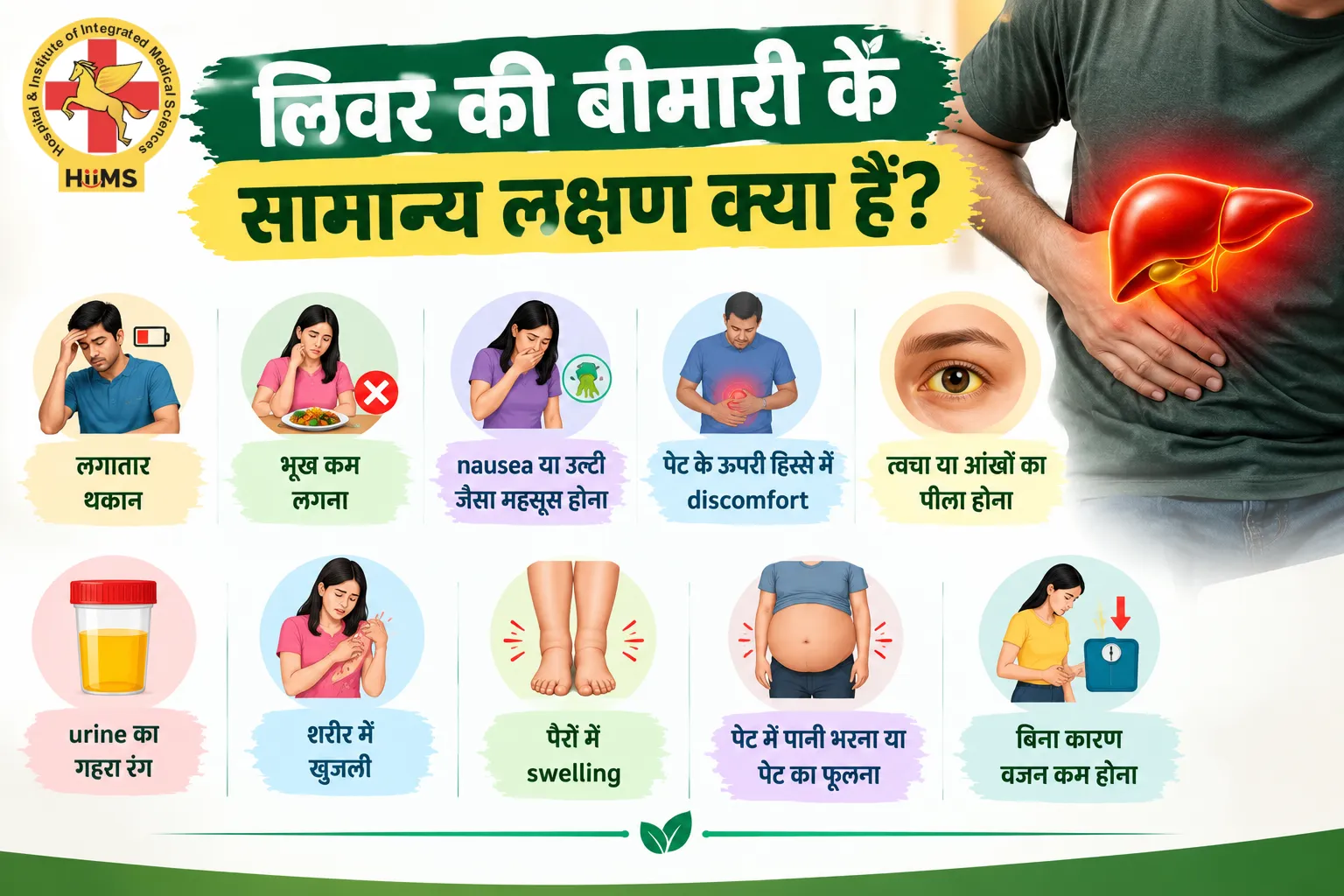
- लगातार थकान
- भूख कम लगना
- nausea या उल्टी जैसा महसूस होना
- पेट के ऊपरी हिस्से में discomfort
- त्वचा या आंखों का पीला होना
- urine का गहरा रंग
- शरीर में खुजली
- पैरों में swelling
- पेट में पानी भरना या पेट का फूलना
- बिना कारण वजन कम होना
इनमें से कोई भी symptom अकेले liver disease की पुष्टि नहीं करता। सही diagnosis के लिए medical history, physical examination और आवश्यक tests की जरूरत हो सकती है।
लिवर की बीमारी की स्टेज कैसे समझी जाती है?
“Liver disease की एक ही fixed stage” नहीं होती। अलग-अलग diseases की staging अलग तरीके से की जाती है।
Fatty liver के संदर्भ में doctors liver में fat accumulation और fibrosis यानी scarring की severity को अलग-अलग तरीकों से assess कर सकते हैं।
एक सामान्य progression को इस तरह समझ सकते हैं:
Fat accumulation → Inflammation/MASH → Fibrosis → Advanced Fibrosis → Cirrhosis
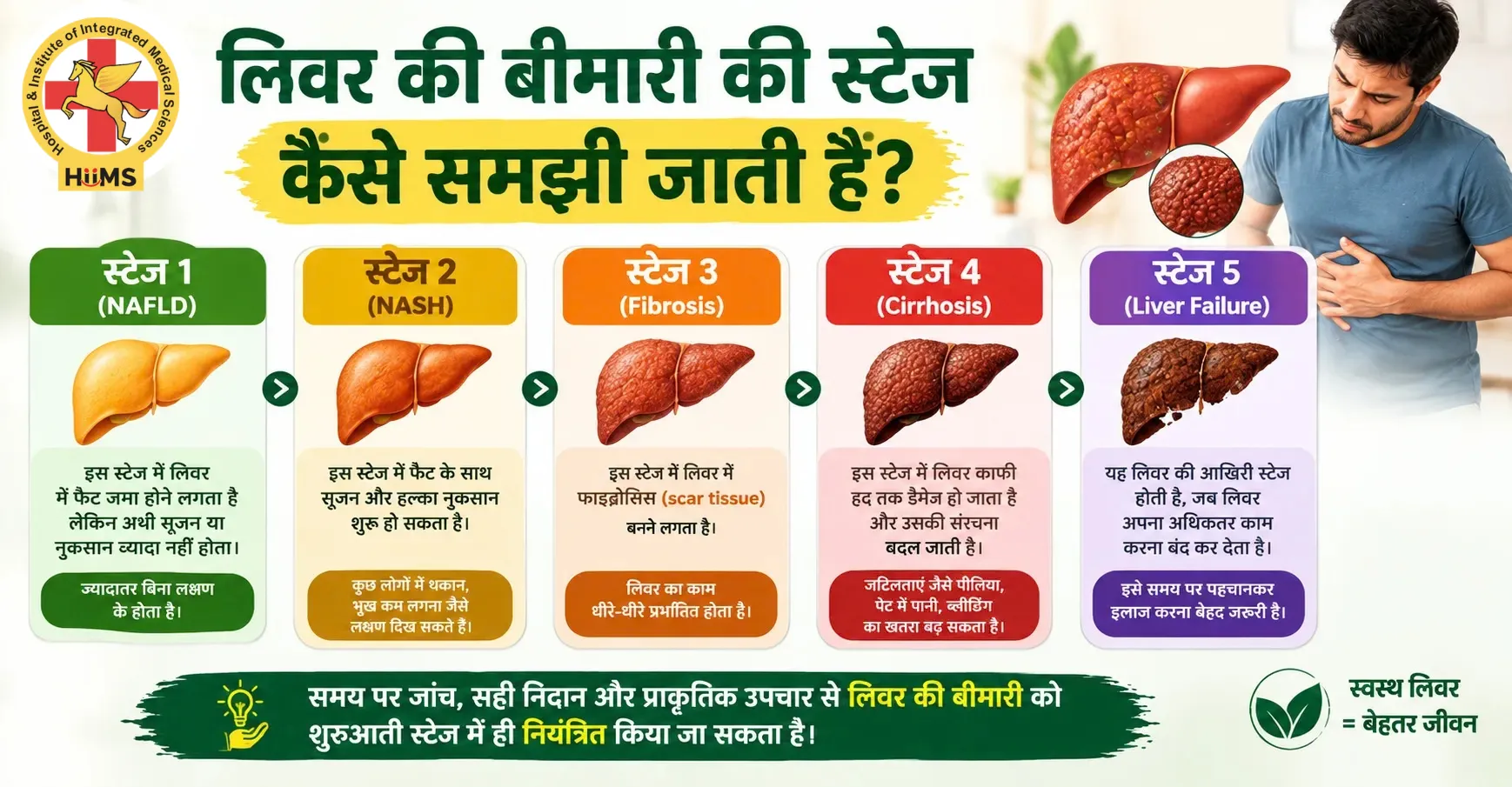
लेकिन हर व्यक्ति इस पूरी progression से नहीं गुजरता। कुछ लोगों में fatty liver lifestyle और metabolic risk factors में सुधार के साथ काफी बेहतर हो सकता है, जबकि कुछ लोगों में fibrosis बढ़ सकती है।
Cirrhosis क्या है?
Cirrhosis में healthy liver tissue की जगह scar tissue बनने लगता है। यह liver की normal functioning को प्रभावित कर सकता है।
Cirrhosis को केवल “fatty liver की अगली stage” समझना सही नहीं है, क्योंकि cirrhosis alcohol, chronic hepatitis, autoimmune diseases और अन्य causes से भी हो सकती है।
लिवर की समस्या की जांच कैसे होती है?
केवल symptoms देखकर liver disease की diagnosis नहीं की जाती।
Doctor जरूरत के अनुसार इनमें से कुछ tests recommend कर सकते हैं:
Blood Tests
- ALT
- AST
- Bilirubin
- Alkaline phosphatase
- Albumin
- Complete blood count
- Hepatitis B/C testing
- अन्य tests, यदि autoimmune या दूसरे कारणों का संदेह हो
Imaging
- Ultrasound
- CT/MRI, आवश्यकता के अनुसार
- Elastography/FibroScan
Elastography liver की stiffness को measure करने में मदद कर सकती है और fibrosis की assessment में उपयोगी हो सकती है। कुछ cases में liver biopsy की जरूरत भी पड़ सकती है।
लिवर की बीमारी का इलाज कैसे किया जाता है?
Treatment पूरी तरह cause और severity पर निर्भर करता है।
एक व्यक्ति को fatty liver है तो उसका treatment approach chronic hepatitis B वाले व्यक्ति से अलग होगा। इसी तरह compensated cirrhosis और liver failure को एक ही तरीके से manage नहीं किया जा सकता।
1. Fatty Liver / MASLD में lifestyle management
Fatty liver में lifestyle modification treatment का महत्वपूर्ण हिस्सा है।
इसमें आमतौर पर:
- वजन को healthy range की ओर लाना
- calorie intake को व्यक्ति की जरूरत के अनुसार manage करना
- balanced diet
- regular physical activity
- diabetes और cholesterol को control करना
- alcohol से बचना, विशेष रूप से alcohol-associated liver disease में
- पर्याप्त sleep और sustainable lifestyle habits
शामिल हो सकते हैं।
Research में पाया गया है कि weight loss liver fat और inflammation को कम कर सकता है। कुछ studies में लगभग 7–10% weight loss को liver inflammation और fibrosis में improvement से जोड़ा गया है।
2026 की एक review में भी MASLD management में ≥5% weight reduction को steatosis improvement और 7–10% को inflammation तथा fibrosis improvement से जोड़ा गया है।
इसका अर्थ यह नहीं है कि हर व्यक्ति को एक ही percentage weight loss target रखना चाहिए। Target व्यक्ति के weight, age, diabetes, medicines और overall health के अनुसार तय होना चाहिए।
क्या Fatty Liver को Reverse किया जा सकता है?
यह इस बात पर निर्भर करता है कि liver में किस स्तर का damage मौजूद है।
शुरुआती fatty liver
Early-stage fatty liver में lifestyle और metabolic risk factors में सुधार से liver fat कम हो सकता है और liver function markers में improvement हो सकती है।
Fibrosis
Fibrosis के कुछ stages में underlying cause को control करने के बाद scarring में improvement या regression संभव हो सकती है। लेकिन इसमें समय लगता है और हर व्यक्ति में परिणाम एक जैसे नहीं होते।
Cirrhosis
Cirrhosis में established scar tissue को केवल किसी “detox” या herbal medicine से पूरी तरह reverse करने का दावा evidence-based नहीं है। NIDDK के अनुसार cirrhosis permanent liver damage/scarring की स्थिति है; treatment का उद्देश्य cause को control करना, further damage को रोकना और complications को manage करना होता है।
इसलिए “liver reversal” शब्द का उपयोग stage और diagnosis समझे बिना नहीं किया जाना चाहिए।
Hepatitis में treatment कैसे होता है?
Hepatitis का treatment उसके प्रकार पर निर्भर करता है।
Hepatitis B और C के लिए modern medical treatments उपलब्ध हैं। WHO के अनुसार chronic hepatitis B को antiviral medicines से manage किया जा सकता है और hepatitis C का antiviral treatment बहुत प्रभावी हो सकता है।
इसलिए hepatitis B/C के diagnosed patient को prescribed antiviral treatment को केवल इसलिए बंद नहीं करना चाहिए क्योंकि वह Ayurveda, diet या किसी herbal approach को भी अपना रहा है।
Cirrhosis में treatment कैसे होता है?
Cirrhosis का treatment उसके कारण और complications के अनुसार किया जाता है।
उदाहरण के लिए:
- Alcohol-related damage में alcohol completely avoid करना
- Viral hepatitis होने पर appropriate antiviral treatment
- Metabolic liver disease में weight और metabolic risk factors manage करना
- Ascites में medical management और sodium restriction
- Portal hypertension में appropriate medicines/procedures
- Liver cancer surveillance
- Advanced liver failure में specialist care और आवश्यकता पड़ने पर liver transplant evaluation
NIDDK के अनुसार advanced liver failure में liver transplant life-saving treatment हो सकता है।
Ayurveda में Liver Care को कैसे देखा जाता है?
Ayurveda में liver health को केवल एक isolated organ की तरह देखने के बजाय digestion, metabolism, diet, lifestyle और overall physiological balance के संदर्भ में देखा जाता है।
HiiMS में liver care के लिए चार broad pillars का उपयोग किया जाता है:
Aahar
व्यक्ति की condition, weight, blood sugar, digestion और nutritional requirements को ध्यान में रखते हुए diet guidance।
Vihar
Physical activity, sleep, stress management, yoga और daily routine में सुधार पर focus।
Shaman
यदि clinically appropriate हो तो Ayurvedic medicines/herbal formulations का उपयोग किया जा सकता है। Liver disease वाले व्यक्ति में किसी भी herbal medicine को बिना assessment के शुरू करना उचित नहीं है, क्योंकि कुछ herbs/supplements liver injury से भी जुड़े पाए गए हैं।
Shodhan
कुछ selected patients में Panchakarma या संबंधित Ayurvedic procedures पर विचार किया जा सकता है। लेकिन हर liver patient के लिए Panchakarma suitable नहीं होता।
Patient की liver function, diagnosis, medicines, age, strength और overall condition को देखकर ही इसकी suitability तय की जानी चाहिए।
HiiMS Mumbai-Thane में Liver Care कैसे Approach किया जाता है?
Jeena Sikho HiiMS Mumbai-Thane में liver-related care को Ayurveda, diet & lifestyle guidance, Panchakarma और naturopathy जैसे approaches के साथ integrate किया जाता है। HiiMS की published liver-care information भी Ayurveda, Naturopathy और अन्य integrated approaches को modern medical understanding के साथ जोड़ने की बात करती है।
एक practical approach को इस तरह समझा जा सकता है:
Assessment → Diagnosis/Reports → Risk Factors → Diet & Lifestyle → Appropriate Therapy → Follow-up
1. पहले existing reports को समझना
Patient के पास यदि पहले से:
- LFT
- Ultrasound
- FibroScan
- HbA1c
- Lipid profile
- Hepatitis reports
- अन्य relevant investigations
हैं, तो consultation के दौरान उन्हें review किया जा सकता है।
2. Cause और severity समझना
सिर्फ “fatty liver grade 2” देखकर treatment तय नहीं होना चाहिए। यह भी समझना जरूरी है कि diabetes, obesity, alcohol, medicines, viral hepatitis या कोई दूसरा कारण मौजूद है या नहीं।
3. Diet और lifestyle plan
HiiMS में Aahar और Vihar के माध्यम से personalized diet तथा lifestyle guidance treatment plan का हिस्सा हो सकती है। HiiMS अपनी OPD/VOPD information में personalized health plans और diet/lifestyle guidance का उल्लेख करता है।
4. Ayurveda और Panchakarma
जहां appropriate हो, Ayurvedic medicines या Panchakarma-based therapies को treatment plan में शामिल किया जा सकता है।
लेकिन इसे हर liver disease के लिए universal treatment नहीं माना जाना चाहिए।
5. Follow-up
Liver health में केवल symptoms कम होना पर्याप्त नहीं है। आवश्यकता के अनुसार symptoms, weight, metabolic parameters और liver-related investigations को समय के साथ monitor करना महत्वपूर्ण है।
क्या Herbal या Ayurvedic Medicine Liver को नुकसान पहुंचा सकती है?
यह एक महत्वपूर्ण सवाल है।
“Natural” का अर्थ automatically “risk-free” नहीं होता।
कुछ herbal और dietary supplements liver injury से जुड़े हुए हैं। NCBI LiverTox database में कई herbal products और supplements के hepatotoxicity-related evidence का documentation उपलब्ध है।
उदाहरण के लिए, commercial preparations containing ashwagandha से rare cases of clinically apparent liver injury report हुए हैं।
इसलिए liver disease वाले व्यक्ति को:
“कोई भी herbal medicine खुद से शुरू कर लेना”
सही approach नहीं है।
Product का exact composition, dose, existing liver condition और दूसरी medicines के साथ possible interaction को healthcare professional के साथ discuss करना चाहिए।
Liver Health के लिए क्या खाना चाहिए?
Diet का उद्देश्य केवल “liver detox” करना नहीं होना चाहिए।
Focus होना चाहिए:
- vegetables और whole foods बढ़ाने पर
- adequate protein लेने पर
- excess sugar और highly processed foods को सीमित करने पर
- sugary beverages कम करने पर
- व्यक्ति की calorie requirement के अनुसार diet लेने पर
- diabetes और cholesterol के अनुसार food choices रखने पर
- alcohol-associated liver disease में alcohol पूरी तरह avoid करने पर
Fatty liver में किसी एक “liver detox food” को treatment मानने के बजाय पूरे dietary pattern और long-term adherence पर ध्यान देना ज्यादा महत्वपूर्ण है।
Research में diet और exercise के combination को liver enzymes और metabolic parameters में improvement से जोड़ा गया है।
Liver Disease में किन चीजों से बचना चाहिए?
कुछ common mistakes liver health को प्रभावित कर सकती हैं:
- बिना सलाह के multiple supplements लेना
- “detox” products पर निर्भर रहना
- prescribed medicines खुद से बंद करना
- alcohol का सेवन जारी रखना
- लगातार sedentary lifestyle
- uncontrolled diabetes
- obesity को ignore करना
- abnormal LFT को बिना follow-up के छोड़ देना
विशेष रूप से यदि liver enzymes अचानक बढ़े हैं, jaundice है या कोई नया supplement शुरू करने के बाद symptoms आए हैं, तो medical evaluation जरूरी है।
कब तुरंत डॉक्टर से संपर्क करना चाहिए?
इन symptoms को ignore नहीं करना चाहिए:
- आंखों या त्वचा का तेजी से पीला होना
- पेट में तेजी से swelling
- बहुत गहरा urine
- खून की उल्टी
- काला stool
- अचानक confusion या अत्यधिक नींद
- तेज abdominal pain
- लगातार vomiting
- बहुत अधिक weakness
Advanced liver disease में complications गंभीर हो सकती हैं, इसलिए ऐसे symptoms में केवल home remedies या self-treatment पर निर्भर नहीं रहना चाहिए।
Liver Treatment के लिए HiiMS Mumbai-Thane क्यों चुनें?
Jeena Sikho HiiMS Mumbai-Thane में liver care के लिए integrated approach उपलब्ध है, जिसमें Ayurveda, Panchakarma, naturopathy, diet & lifestyle guidance तथा OPD/IPD services शामिल हैं।
HiiMS के अनुसार patient care में personalized assessment और treatment planning पर focus किया जाता है। Treatment plan व्यक्ति की condition और requirements के अनुसार अलग हो सकता है।
यदि आपके पास पहले से liver reports हैं, तो consultation के दौरान उन्हें दिखाकर अपनी condition और available care options को समझना अधिक उपयोगी रहेगा।
Frequently Asked Questions
Q.1 लिवर की बीमारी के शुरुआती लक्षण क्या हैं?
Ans: शुरुआत में कई liver diseases बिना symptoms के हो सकती हैं। थकान, appetite कम होना, abdominal discomfort, itching या jaundice जैसे symptoms बाद में दिखाई दे सकते हैं।
Q.2 क्या Fatty Liver ठीक हो सकता है?
Ans: Early-stage fatty liver में diet, physical activity, weight management और metabolic risk factors को improve करने से liver fat और inflammation में improvement हो सकती है। कुछ studies में 7–10% weight loss को बेहतर liver outcomes से जोड़ा गया है।
Q.3 क्या Liver Fibrosis reverse हो सकती है?
Ans: कुछ patients में underlying cause को control करने के बाद fibrosis में regression संभव है, लेकिन यह guaranteed नहीं है और stage तथा cause पर निर्भर करता है।
Q.4 क्या Cirrhosis reverse हो सकता है?
Ans: Established cirrhosis को पूरी तरह reverse करने का दावा evidence-based नहीं है। Treatment का मुख्य उद्देश्य underlying cause को control करना, further damage को रोकना और complications को manage करना है।
Q.5 क्या Ayurveda में Liver Disease का treatment होता है?
Ans: Ayurveda में liver health के लिए diet, lifestyle, medicines और selected therapies का उपयोग किया जाता है। लेकिन treatment disease के type और severity के अनुसार होना चाहिए और serious liver disease में appropriate medical evaluation जरूरी है।
Q.6 क्या Panchakarma हर Liver Patient के लिए सही है?
Ans: नहीं। Panchakarma की suitability व्यक्ति की diagnosis, liver function, medicines, age और overall health के आधार पर तय की जानी चाहिए।
Q.7 क्या Liver Disease में herbal medicine ले सकते हैं?
Ans: हर herbal medicine automatically safe नहीं होती। कुछ supplements liver injury से जुड़े हुए हैं, इसलिए existing liver disease में herbal products healthcare professional की guidance में ही लेने चाहिए।
Q.8 Liver Disease की जांच के लिए कौन-से tests किए जाते हैं?
Ans: Condition के अनुसार LFT, CBC, hepatitis tests, ultrasound, FibroScan/elastography, CT/MRI और कुछ मामलों में liver biopsy की जरूरत हो सकती है।
Q.9 क्या Diabetes से Fatty Liver का risk बढ़ता है?
Ans: हाँ। Type 2 diabetes और metabolic dysfunction fatty liver/MASLD से strongly associated हैं। Mumbai में type 2 diabetes patients पर किए गए एक study में liver steatosis और fibrosis दोनों पाए गए थे।
Q.10 Mumbai-Thane में Liver Treatment के लिए HiiMS से कैसे संपर्क करें?
Ans: Jeena Sikho HiiMS Mumbai-Thane में consultation के लिए hospital visit या available consultation options का उपयोग किया जा सकता है। HiiMS Mumbai-Thane का listed contact number +91-87920-87920 है।
Research & References
1. EASL–EASD–EASO Clinical Practice Guidelines on MASLD, 2024
EASL Guideline
2. NIDDK – Cirrhosis: Causes, Diagnosis and Treatment
NIDDK Cirrhosis Information
3. Weight Loss Through Lifestyle Modification Significantly Reduces Features of NASH – PubMed
PubMed Research
4. Lifestyle Changes in Patients With NAFLD: Systematic Review and Meta-analysis
PubMed Research
5. Management of MASLD With Lifestyle Modification – 2026 Review
PubMed Research
6. Mumbai Study: Liver Steatosis and Fibrosis in Type 2 Diabetes Patients
PubMed – PMID 38990584
7. WHO – Hepatitis
WHO Hepatitis Information
8. NCBI LiverTox – Herbal and Dietary Supplements
LiverTox – Herbal & Dietary Supplements
9. Comprehensive Ayurvedic Management of Grade 3 Fatty Liver (Yakrit Vikara): A Case Report
10. Yakrit Dushti: An Ayurvedic Approach to Non-Alcoholic Fatty Liver Disease
(NAFLD) Management–A Case Study
11. Ayurvedic Management Of Liver Dysfunction: A Clinical Case Report