

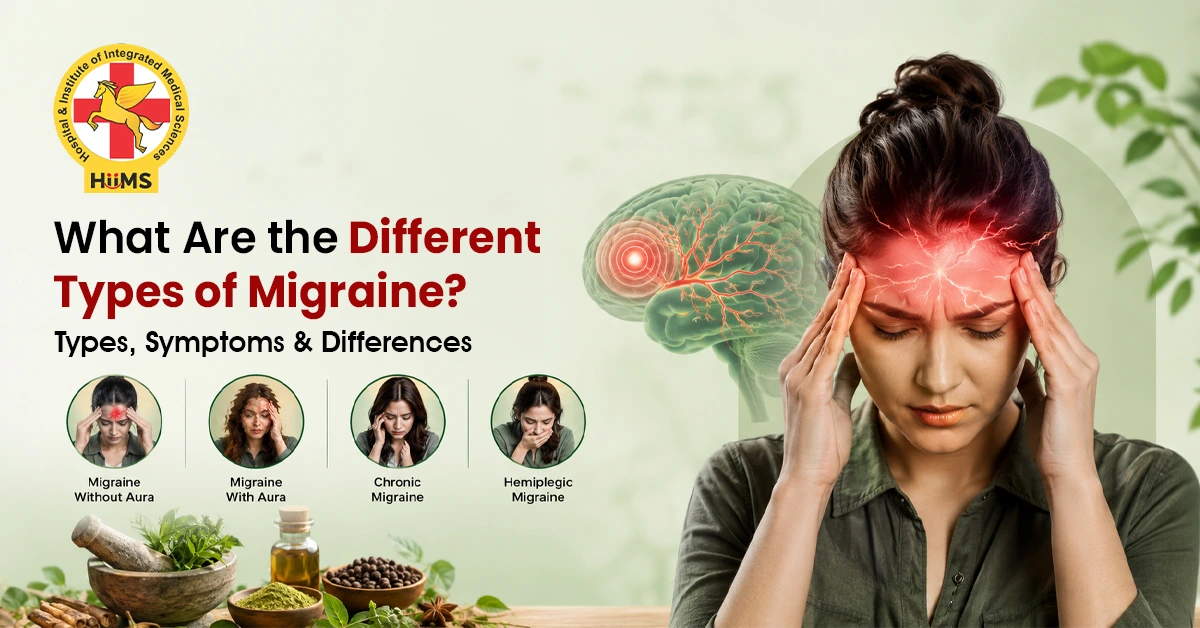
A migraine is not just a headache but a neurological disease which affects each person differently. Some people suffer from severe, throbbing migraine pain, whereas other patients feel mainly nauseated and dizzy, experience visual disturbances, light and sound sensitivity, and have temporary neurological symptoms. Hence, knowing the migraine types and the difference between them becomes crucial when describing your symptoms to a healthcare specialist.
There are also differences in the duration of a migraine attack. Some patients suffer from an attack on a sporadic basis, whereas some have frequent symptoms which might be considered chronic migraine. Sometimes an aura precedes or occurs alongside a migraine attack; some never experience an aura at all.
There are even instances when migraine symptoms are present without a headache. Learning about different types of migraines will allow you to distinguish between them.
What Are the Different Types of Migraine?
There is no single way that migraine affects everyone. The main types and forms commonly discussed include migraine without aura, migraine with aura, chronic migraine, hemiplegic migraine, vestibular migraine and retinal migraine.
Migraine Without Aura
Migraine without aura is one of the most common migraine presentations. A person may develop moderate-to-severe head pain without experiencing the visual, sensory or speech symptoms associated with an aura.
The pain may be throbbing or pulsating and can become worse with routine physical activity. Nausea, vomiting, sensitivity to light and sensitivity to sound may also occur.
Not having an aura does not make a migraine less real or less disruptive. The symptoms can still interfere with work, sleep, concentration and everyday activities.
Migraine With Aura
Migraine with aura involves temporary neurological symptoms that can occur before or during a migraine attack. Visual symptoms are common and may include flashing lights, zigzag patterns, spots or changes in the field of vision.
Aura can also cause tingling or numbness and temporary difficulty with speech or language. These symptoms usually develop gradually and generally last between 5 and 60 minutes.
Because some aura symptoms can resemble a stroke, particularly sudden weakness or speech problems, new or unusual neurological symptoms should not automatically be assumed to be a migraine.
What Is a Silent Migraine?
A silent migraine is a commonly used term for migraine aura without headache. In this situation, a person experiences migraine-related aura symptoms without the typical head pain.
Symptoms can include temporary visual disturbances, tingling, numbness or speech and language changes. The term “silent migraine” can sometimes be misleading because the condition can still be disruptive even without migraine pain. The American Migraine Foundation recommends the more precise term “migraine aura without headache”.
If these symptoms occur for the first time, become significantly different from previous episodes, or appear suddenly, medical evaluation is important because other neurological conditions can cause similar symptoms.
Can You Have a Migraine Without Pain?
Yes. Migraine can be painless, although this may sound surprising. Some people experience aura or other migraine symptoms without developing the typical headache phase. This is often described as ‘migraine aura without headache’ or, less formally, silent migraine. A person may experience visual changes, tingling, numbness, speech difficulties, nausea or sensitivity to light and sound even when there is no head pain.
This is one reason why migraine should not be understood only as a condition involving headache. The neurological symptoms surrounding an attack can sometimes be just as important.
Chronic Migraine
Chronic migraine refers to a high-frequency pattern rather than simply having a particularly severe migraine.
Generally, chronic migraine involves a headache on 15 or more days per month for more than three months, with migraine features on at least eight of those days.
Frequent attacks can affect concentration, work, sleep, physical activity and quality of life. Keeping a record of headache days and associated symptoms can help a healthcare professional understand the pattern.
Hemiplegic Migraine
Hemiplegic migraine is a rare migraine form associated with temporary weakness or paralysis on one side of the body. Other aura symptoms, such as visual disturbances, numbness or speech problems, may also occur.
Because one-sided weakness and speech difficulties can also be warning signs of a stroke, a new episode should receive urgent medical assessment rather than being assumed to be migraine.
Vestibular Migraine
Vestibular migraine is different from the typical migraine pattern because dizziness and balance problems can be more prominent than head pain.
A person may experience:
- Vertigo or spinning sensations
- Dizziness
- Motion sensitivity
- Imbalance
- Nausea
- Sensitivity to visual movement
A headache may occur during the episode, but it does not have to be present every time. This can sometimes make vestibular migraine difficult to recognise.
Retinal Migraine
Retinal migraine is a rare form associated with temporary visual changes affecting one eye. Symptoms can include reduced vision, flashing lights or blind spots.
It is important to distinguish retinal migraine from other causes of sudden vision changes. New or unexplained vision loss in one eye should be assessed promptly rather than automatically attributed to migraine.
Common Migraine Symptoms Across Different Phases
There are a number of stages in a migraine attack, though not everyone goes through all the stages.
1. Prodrome
The prodrome stage may start hours or even days prior to the attack. It includes the following symptoms:
- fatigue
- mood changes
- food cravings
- stiff neck
- difficulty focusing
- changes in sleeping patterns
- thirst and frequent urination
It is possible to ignore these migraine symptoms since they are not typical for migraines.
2. Aura
Aura usually lasts between 5 and 60 minutes. Visual changes are common, but sensory and speech symptoms can also occur.
3. Headache Phase
When a headache occurs, migraine pain may be moderate to severe, pulsating or throbbing and may worsen with routine physical activity. Nausea, vomiting and sensitivity to light or sound can accompany the pain.
An untreated migraine headache commonly lasts between 4 and 72 hours.
4. Postdrome
The postdrome phase occurs after the main headache. Some people feel tired, mentally foggy, weak or generally unwell for several hours or up to 48 hours.
Understanding these phases can be useful because a migraine attack does not necessarily begin when the head starts hurting.
How Are Different Migraine Types Managed?
Migraine treatment will be determined depending on the type, frequency, intensity, and symptoms of the headaches. Medications which could be used to treat migraines during an attack, prophylactic medications in cases of frequent migraine attacks, and lifestyle modifications are some examples of possible treatments.
A healthcare provider might take into account a number of issues, including:
- Frequency of the attacks
- Duration of the attacks
- Associated symptoms
- Presence of aura
- Triggers
- Impact on everyday activities
- Medications and other health disorders
Some other lifestyle factors can also play a significant role along with an adequate medication regimen. Proper sleeping habits, hydration, eating regularly, and stress management could be some possible options.
There is no single migraine cure that works for everyone. However, migraine can often be managed with an individualised approach aimed at reducing the frequency, severity and impact of attacks.
When Should You Seek Medical Help?
Most people with an established migraine pattern can work with a healthcare professional to develop a management plan. However, some symptoms require urgent attention.
See a doctor immediately in the event of:
- Severe sudden headache
- New weakness or paralysis on one side
- Difficulty in speaking
- Unconsciousness
- Sudden changes in vision
- New neurological symptoms that are unusual for past attacks
- Headache after a head injury
- Long-lasting migraine-like attack that worsens with time
Certain migraine symptoms are similar to those of strokes or other neurological diseases. Therefore, strange symptoms should not be self-diagnosed but checked out by a medical professional.
For people looking for a more holistic approach alongside appropriate medical guidance, Jeena Sikho HiiMS focuses on Ayurveda-based wellness and lifestyle practices. Depending on an individual’s condition, Ayurvedic care may include attention to diet, digestion, sleep, stress management, daily routine, yoga, breathing practices and selected Ayurvedic therapies. Such approaches should be personalised according to the person’s symptoms and overall health.
Conclusion
Migraine is not one single condition with one fixed set of symptoms. Different migraine types can involve head pain, aura, dizziness, visual changes, neurological symptoms or even no pain at all. Understanding these differences can help you recognise your own pattern and communicate it more clearly to a healthcare professional.
At Jeena Sikho HiiMS, the approach to migraine wellness looks beyond the symptom alone and considers factors such as daily routine, digestion, food habits, sleep, stress and overall lifestyle. Ayurvedic care may be personalised according to individual needs, while medical evaluation remains important for frequent, changing or unusual symptoms.
If your migraine attacks are affecting your daily life, you can consider consulting the Jeena Sikho HiiMS team through VOPD to understand a suitable Ayurveda-based wellness approach for your individual needs.

FAQs
Q.1 What are the types of migraines?
Ans: Common types include migraine without aura, migraine with aura, chronic, hemiplegic, vestibular and retinal migraine.
Q.2 What are the different types of migraines?
Ans: Different kinds of migraines vary according to their signs and symptoms, like headache, aura, vertigo, and visual or neurological disturbances.
Q.3 What is a silent migraine?
Ans: Silent migraines involve migraine aura without a headache that causes disturbances in vision, sensation, or speech.
Q.4 Can migraine be painless?
Ans: Migraine can occur without head pain, particularly with migraine aura without a headache.
Q.5 How long can a migraine attack last?
Ans: The duration of a migraine attack is normally 4 to 72 hours, while other symptoms may precede or follow it.
Disclaimer: The information provided on this blog is for general educational and informational purposes only. It is not intended to replace professional medical advice, diagnosis, or treatment. Always consult a qualified healthcare professional before making any changes to your diet, lifestyle, or treatment plan. Individual results may vary.