
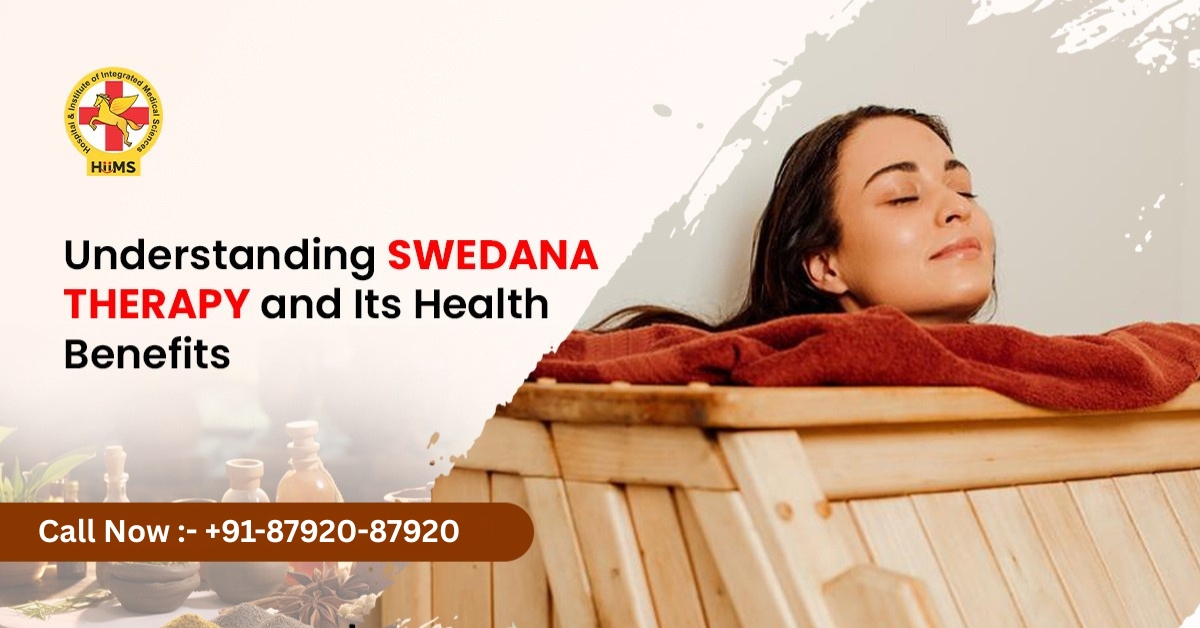

Long hours at desks, irregular meals, and limited physical exercise have slowly changed how the body feels every day. Many people notice stiffness in the back, heaviness in the joints, or a constant sense of fatigue that does not go away with rest. Circulation slows down, muscles tighten, and recovery after even small efforts begins to take longer than before.
In such conditions, sweating in a natural way supports the body as it works to bring back internal balance. For a very long time, people have used simple warmth to loosen tight muscles, keep blood moving properly, and help the body clear out small everyday waste through the skin. Swedana, in particular, follows a planned and supervised process where sweating is guided carefully rather than relying on random heat exposure. This approach does more than offer surface comfort and gradually supports deeper physical ease and relaxation.
In this blog, you will learn how this therapy works, understand the swedana therapy benefits, see why it is used, and notice what changes it can bring to everyday health.
What is Swedana Therapy?
Swedana simply means inducing sweat through controlled warmth. In practice, it refers to a guided therapy where the body receives medicated steam or gentle heat so that sweating happens in a balanced and supervised way. Unlike a regular sauna session, the process remains personalised according to body needs and comfort levels.
In treatment contexts, Ayurvedic swedana therapy often follows oil application so that warmth can penetrate tissues more effectively. The purpose is not only to bring out sweat but also to reduce stiffness and gently prepare the body for deeper cleansing whenever needed. Since it can be adjusted according to individual needs, the benefits of swedana therapy reach beyond simple relaxation and support overall physical comfort in a steady way.
The Purpose Behind Swedana: Why Sweating is Created
When heat is applied in a guided way, sweating begins to open the tiny pathways that carry nutrients and remove waste across the body. If these pathways stay blocked, a sense of heaviness and stiffness slowly builds in the muscles and joints. With steady warmth, the body starts letting go of stored waste and blood movement becomes smoother and more natural.
This controlled sweating also supports tissue nourishment and flexibility. With time, many people begin to feel lighter in their movements, experience less tightness, and recover more comfortably after physical effort. These changes show why the benefits of swedana therapy are often connected with better circulation and reduced discomfort. When carried out under proper supervision, Ayurvedic swedana therapy supports natural cleansing while keeping the body at ease.
How Swedana Therapy is Performed
Preparation Phase
Most sessions begin with a gentle oil application. This step softens tissues and prepares them for heat. When oil and warmth combine, muscles relax more easily, and sweating takes place in a controlled process
Steam or Heat Application
After preparation, the body takes steam or focused heat through a chamber or simple directed setup. The practitioner watches the temperature and timing closely so the sweating stays easy and comfortable. This stage forms the core of swedana therapy benefits, as it supports circulation and muscle relaxation together.
Post-Therapy Care
Once the session ends, rest becomes essential. Hydration and gradual cooling allow the body to stabilise. Rushing back into activity reduces the positive impact, so calm recovery is always advised after Ayurvedic swedana therapy.
Types of Swedana Therapy
Saagni Swedana (Heat-Based Methods)
This method uses steam, warm compresses, or dry heat to produce sweat in a controlled manner. It suits cases where stiffness, heaviness, or cold sensations remain in the body. In the treatment context, Ayurvedic swedana therapy of this type often supports joint and muscle comfort.
Niragni Swedana (Without Direct Heat)
Here, sweating occurs through mild exercise, sun exposure, or warm coverings. This gentler approach helps when strong heat is not suitable. Even with lighter methods, the benefits of swedana therapy continue to support circulation and relaxation.
Key Swedana Therapy Benefits for Overall Health
- Supports Detoxification: Guided sweating encourages elimination through the skin and helps clear internal pathways. This cleansing action forms a major part of the benefits of swedana therapy.
- Eases Pain and Stiffness: Warmth relaxes muscles and reduces joint tightness, allowing smoother movement and daily comfort.
- Improves Blood Circulation: Heat naturally widens blood vessels, allowing oxygen and nutrients to reach tissues more efficiently. Many people recognise swedana therapy benefits through this improved circulation.
- Promotes Stress Relief and Relaxation: The steady warmth calms the nervous system and supports deeper rest. Regular sessions of this therapy in many cases improve sleep quality and reduce daily tension.
- Enhances Digestive Strength: Gentle heat stimulates metabolic activity, which helps digestion function more smoothly over time.
- Improves Skin Health: As pores open and sweating increases, impurities leave the surface, leaving skin clearer and more refreshed.
- Respiratory Comfort: Herbal steam may help reduce congestion and support easier breathing in certain cases.
These combined responses show how Ayurvedic swedana therapy supports both comfort and recovery.
Mental and Emotional Benefits of Swedana
The steady warmth of this therapy encourages a calm mental state. Many people start to feel lighter and more at ease after a session. Stress settles down slowly, focus becomes clearer, and the nervous system gets a break from constant tension.
Over time, the benefits of swedana therapy extend beyond physical ease and support emotional balance as well.
Conditions Where Swedana Therapy May Be Recommended
Doctors & therapists may include this therapy in broader care plans for joint stiffness, arthritis, muscular discomfort, sciatica, and spinal tension. It also supports people experiencing poor circulation, body heaviness, or stress-related fatigue.
Each person responds in their own way, so Ayurvedic swedana therapy is usually added to a personalised plan rather than used by itself.
Conclusion
Heat applied with care can do more than provide temporary comfort. It helps muscles loosen, circulation improve, and the body releases accumulated strain that builds over time. This is where swedana therapy benefits become visible through better mobility, calmer nerves, and improved daily ease.
When planned professionally, the therapy supports detox, relaxation, and joint comfort without overwhelming the system. These days, more people are looking at natural options, and that itself shows these old practices still fit into modern life quite well.
If stiffness or fatigue continues to interfere with routine life, timely guidance can make recovery smoother. To explore personalised care and experience authentic therapies, call +91 82704-82704 or write to care@jeenasikho.com for professional support from Jeena Sikho HiiMS Panvel.

FAQs
1. How long does a typical session of Swedana therapy last?
Sessions usually last between 15 and 30 minutes, depending on comfort and supervision.
2. Can this therapy help with everyday body stiffness?
Regular sessions support muscle relaxation and improve flexibility when planned correctly.
3. Is Swedana similar to a sauna or steam bath?
The method follows a personalised and supervised approach rather than only a general heat exposure.
4. How often can someone take Swedana sessions?
Frequency depends on body condition and professional advice after proper assessment.
5. Does this therapy support stress relief as well?
The calming warmth helps relax the nervous system and promotes a sense of balance.