
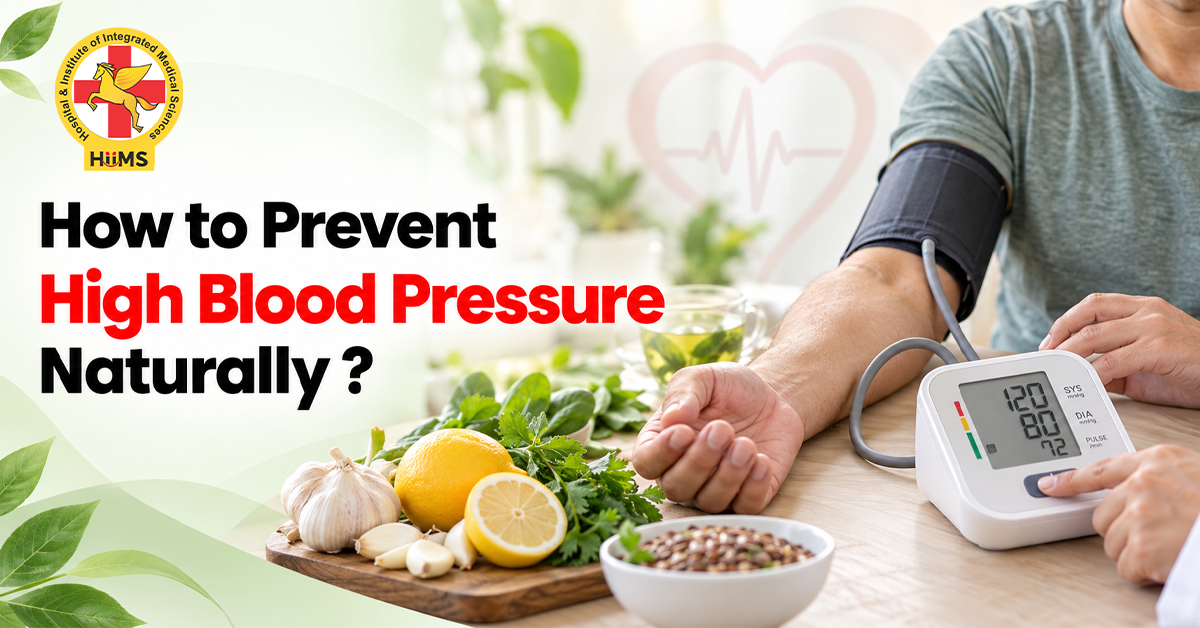
High blood pressure is closely connected with the way we eat, move, sleep and handle the pressure of everyday life. A person may feel perfectly normal while their blood pressure readings slowly move upward, which is why knowing your numbers is important even when there is no obvious discomfort.
The good part is that many everyday habits can be changed before they become a long-term concern. Eating less salty food, staying active, sleeping properly, avoiding tobacco and keeping stress in check can all form part of a sensible routine. Ayurveda also gives importance to regular meals, proper rest, digestion and a balanced daily routine.
If you are wondering how to prevent high blood pressure, this blog explains the practical habits worth bringing into everyday life and how an Ayurvedic approach can fit into that routine.
Why Is High Blood Pressure Prevention Important?
Blood pressure is not just a number recorded on a machine. When it stays higher than it should for a long period, it can place extra stress on blood vessels and important organs, including the heart, brain and kidneys. WHO observes that many people with hypertension do not feel symptoms, making regular blood pressure checks an important part of knowing where you stand.
Some factors, such as age and family history, cannot be changed. Your daily habits, however, give you something practical to work on. Good high blood pressure prevention therefore starts with small changes that can actually become part of your normal routine.
If your BP readings have been repeatedly high, do not depend only on home remedies. Consult with a qualified doctor at Jeena Sikho HiiMS and understand what your readings mean for your individual health.

What Everyday Habits Can Increase the Risk of High Blood Pressure?
The routine followed for years can over time impact a person’s cardiovascular health. Frequent packaged foods, excess salt, little physical activity, poor sleep, tobacco, excessive alcohol and excess body weight are among the factors associated with hypertension.
This does not mean that one unhealthy meal or a few late nights will suddenly cause high blood pressure. The bigger concern is a pattern that continues for months or years. Understanding that pattern makes it easier to choose practical ways to prevent high blood pressure instead of looking for one quick solution.
How to Prevent High Blood Pressure Naturally With Daily Habits
1. Be Careful About the Salt on Your Plate
Salt is easy to overlook because it appears in everyday foods, from pickles and namkeen to sauces, instant foods and packaged snacks. Too much sodium can raise blood pressure, and WHO recommends that adults consume less than 2,000 mg of sodium a day, equal to less than 5 g of salt.
Instead of removing every familiar food from your kitchen, start by cutting back on heavily salted and processed choices. Freshly prepared meals, vegetables, pulses and simple home cooking make it easier to keep track of how much salt you are actually eating.
2. Give More Space to Fresh Foods
Your daily plate can become a simple place to begin high blood pressure prevention. Include vegetables, seasonal fruits, whole grains, pulses, nuts and seeds according to your individual dietary needs, while keeping highly processed foods less frequent.
3. Keep Your Body Moving
Regular movement does not have to mean spending hours at a gym. A brisk walk, cycling, swimming, yoga or suitable stretching can become part of an ordinary day. The WHO recommends at least 150 minutes of moderate-intensity aerobic activity each week for adults, along with muscle-strengthening activity on two or more days.
4. Make Stress Management a Daily Habit
Work pressure, family responsibilities and constant screen time can leave little room for the body to settle. Instead of waiting until stress feels overwhelming, make some quiet time part of your day.
Slow breathing, meditation, yoga, walking outdoors or simply stepping away from screens for a while can help create a calmer routine. These habits also fit naturally with the Ayurvedic belief of maintaining balance through Vihar, or the way we conduct our daily life.
5. Treat Sleep as Part of Your Routine
Sleep often gets put aside when the day becomes busy, but a regular sleep schedule is an important part of overall health. Try to sleep and wake at similar times, keep late-night screen use under control and give yourself enough time to wind down before bed.
When stress and poor sleep continue together, the daily routine can become even harder to maintain. Bringing both areas into better balance is a practical part of learning how to prevent high blood pressure.
6. Stay Away From Tobacco and Limit Alcohol
Tobacco use affects cardiovascular health, while excessive alcohol intake can contribute to high blood pressure. WHO includes tobacco use and harmful alcohol consumption among modifiable factors linked with hypertension.
If either habit has become part of your routine, changing it can be difficult, so take a practical approach and seek professional help from Jeena Sikho HiiMS when needed. Prevention works better when healthy choices become regular rather than occasional.
How Does Ayurveda Approach High Blood Pressure Prevention?
Ayurveda looks at health through food, daily routine, digestion, rest, activity and the individual’s overall constitution. Rather than viewing one reading in isolation, an Ayurvedic practitioner may consider the person’s lifestyle and other health concerns while planning an appropriate routine.
Aahar refers to food and dietary habits, while Vihar relates to daily activities and lifestyle. Regular meals, suitable movement, adequate rest, yoga and calming practices can therefore become part of an Ayurvedic lifestyle plan.
Can Ayurvedic Therapies Be Part of a Preventive Approach?
At Jeena Sikho HiiMS Panvel, an integrated approach can look beyond the blood pressure reading and consider food habits, daily routine, sleep, stress and the person’s wider health picture. Ayurvedic therapies may be considered according to an individual’s condition and after appropriate assessment.
This is where the root-cause-focused approach can become relevant: instead of looking at one part of the routine alone, the doctor can understand the different factors that may be affecting the person’s health and then decide what form of care is appropriate.
Conclusion
Learning how to prevent high blood pressure does not mean following a complicated routine or changing your entire lifestyle overnight. Start with the habits that fit naturally into your day: choose fresh food more often, keep salt in check, move your body, sleep at regular hours and make time to settle your mind.
Ayurveda adds another perspective by giving importance to Aahar, Vihar, routine and individual needs. At the same time, regular BP checks and appropriate medical guidance remain important because lifestyle habits are not suitable replacements for prescribed care when treatment is needed.
If you want personalised guidance, you can connect with Jeena Sikho HiiMS Panvel for an integrated health assessment and discuss your concerns with expert doctors. You can also opt for an online video consultation (VOPD) and speak with a doctor from the comfort of your home.

FAQs
1. How often should I check my blood pressure?
The frequency depends on your age, previous readings and overall health; people with elevated readings may need more regular monitoring as advised by their doctor.
2. Which foods should I limit for better blood pressure health?
Foods high in salt, heavily processed snacks, instant foods and excess saturated fat are commonly limited as part of a heart-healthy eating pattern.
3. Does walking help maintain healthy blood pressure?
Regular walking counts as physical activity and can form part of a healthy routine, particularly when combined with suitable eating habits and other lifestyle measures.
4. Can stress affect blood pressure readings?
Stress can influence blood pressure, which is why relaxation, adequate sleep, regular movement and a manageable daily routine are useful parts of overall cardiovascular health.
5. What should I do if my blood pressure reading is repeatedly high?
Keep a record of the readings and discuss them with a qualified healthcare professional rather than trying to manage persistent high readings through home remedies alone.