
High bad cholesterol (LDL) is often driven by everyday habits like consuming trans fats, skipping regular exercise, chronic stress, and poor sleep. Correcting these seven lifestyle mistakes and choosing a natural, root-cause treatment plan. Can safely lower your cholesterol levels and protect your long-term heart health. Understanding the foundational causes of bad cholesterol is the first step toward reclaiming your physical vitality.
Managing your heart health can feel confusing. Often, we focus entirely on taking daily pills, without realising that our everyday habits are the real cause of high cholesterol. Bad cholesterol isn’t just a random number on a lab report; it is a vital sign that shows how your metabolism is responding to your lifestyle.
In this blog, we will break down the seven most common lifestyle mistakes that act as the main reasons for high cholesterol and provide you with simple, practical changes to naturally restore your body’s balance.
What is Bad Cholesterol?
Cholesterol is a fat-like, waxy substance your body makes on its own. Your body needs it to build healthy cells, protect nerves and produce vital hormones. But fat and water don’t mix, so cholesterol can’t float through your blood by itself. It moves around with the help of small carriers called lipoproteins.
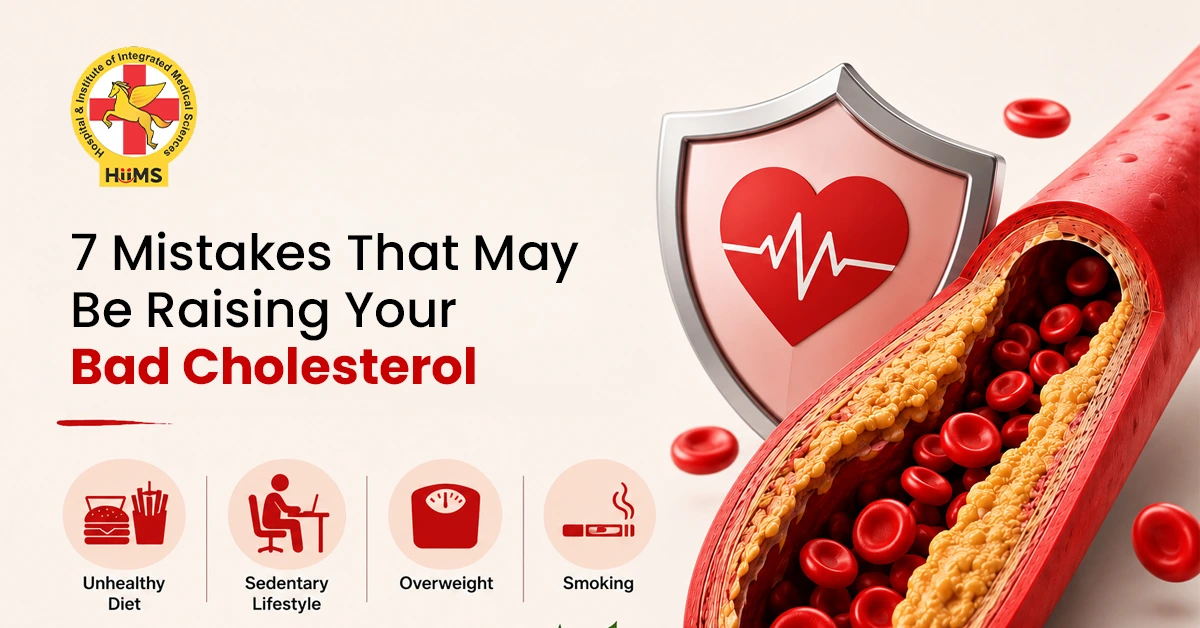
LDL (low-density lipoprotein) is commonly known as “bad” cholesterol. When it’s circulating in the bloodstream in excess, it can accumulate inside your artery walls. As this build-up develops, it turns into a hard substance called plaque that narrows your blood vessels and causes your heart to work much harder. On the other hand, high-density lipoprotein (HDL) is “good” cholesterol.
It’s kind of like a clean-up crew, gathering excess bad cholesterol from your blood and returning it to the liver to be broken down and flushed out safely. The main aim of studying high cholesterol causes is invariably to lower the bad LDL and support the good HDL.
7 Mistakes That May Be Raising Your Bad Cholesterol
Many people find themselves wondering, “Why is my bad cholesterol high when I am trying to eat well?” The answer usually lies in small, hidden daily habits. Here are the seven core mistakes that act as major causes of high LDL cholesterol:
1. Relying Heavily on Ultra-Processed Foods
One of the most common causes of bad cholesterol is the frequent consumption of hidden trans fats and highly refined oils. Packaged snacks, microwave popcorn, commercially baked cookies, and fast foods often use cheap oils that undergo heavy chemical processing. These unhealthy fats do double damage to your cardiovascular system: they simultaneously spike your bad LDL cholesterol levels and actively suppress your good HDL cholesterol.
2. Living a Sedentary Lifestyle
If you spend most of your day sitting at your desk, on the couch or in your car without taking regular movement breaks, you’re making a huge metabolic mistake. A sedentary lifestyle alters the way your body processes fats. When your muscles stay inactive for hours, your body slows down its production of an essential enzyme called lipoprotein lipase. This specific enzyme is responsible for grabbing harmful cholesterol out of the bloodstream and breaking it down. One of the top things that falls into the category of what increases bad cholesterol is a lack of regular exercise.
3. Ignoring the Power of Soluble Fibre
Many modern diets are high in processed carbohydrates and low in essential dietary fibre. Whole oats, beans, lentils, sprouts, and fresh fruits are foods that are high in soluble fibre, which acts like a natural sponge in your digestive tract. It physically binds to cholesterol particles in your small intestine, preventing them from being absorbed into your bloodstream and dragging them out of the body naturally. Not including fibre in your daily meals can allow your LDL levels to rise.
4. Underestimating Chronic Mental Stress
One of the major causes of bad cholesterol is unmanaged mental stress. When you’re under long-term stress or anxiety, your body releases stress hormones such as cortisol and adrenaline. These hormones activate a survival response that tells your liver to produce and send more glucose and fatty acids into your bloodstream. And if this stress never ends, your body ends up with a surplus of circulating lipids that ultimately turn into bad cholesterol.
5. Ignoring bad sleep habits
An inconsistent sleep schedule throws your metabolism out of balance. During deep sleep, your body regulates its hormone production and allows your liver to perform its essential cellular cleanup. Getting less than seven hours of sleep all the time throws off the pathways that regulate the synthesis of fat and cholesterol. This metabolic chaos makes your liver unable to process lipids correctly and often explains why your bad cholesterol is high despite a decent diet.
6. Excessive Intake of Refined Sugars
A massive misconception is that only greasy, fatty foods alter your cholesterol levels. In reality, eating too much refined sugar, high-fructose corn syrup, and white flour foods is a primary trigger. When you eat excess sugar, your liver processes the surplus carbohydrates and converts them directly into triglycerides and bad LDL cholesterol. At the same time, a high-sugar diet actively accelerates the breakdown of your protective good HDL cholesterol.
7. Depending Solely on Quick-Fix Medications
Perhaps one of the major causes of bad cholesterol is relying completely on daily prescription pills while refusing to change the daily habits that caused the problem in the first place. Medications can give you a temporary fix, but they do not fix a sluggish metabolism, a poor diet, or a high-stress lifestyle. True, lasting cardiovascular wellness can only happen when you look at the lifestyle reasons for high cholesterol and fix them at the root.
The Path to Natural Recovery
Reversing these numbers requires making simple, intentional shifts in your everyday routine. You can naturally help your body clear out excess fat:
Change your diet: Eat lots of whole, unprocessed foods. Eat lots of soluble fibre from green vegetables, oats, and legumes. Use small amounts of healthy, cold-pressed fats, such as olive oil, walnuts, and seeds, instead of refined cooking oils.
Move Every Day: Aim for 30 minutes of moderate movement every day. A brisk walk or bike ride and active gardening activate the enzymes to clear the bad LDL and naturally boost your protective good HDL levels.
Relaxation: Set up a calming bedtime routine so you can get 7 to 8 hours of uninterrupted sleep. Combine this with easy stress-relief practices like hanging out in nature or doing 10 minutes of slow, deep breathing exercises every day to help balance your stress hormones.
Conclusion
By identifying these seven common mistakes and making mindful lifestyle changes, you can support your body’s natural ability to heal. Reversing the common causes of bad cholesterol is fully within your control through the daily habits you choose to cultivate.
If you are looking for comprehensive guidance. The natural treatment protocols at Jeena Sikho HiiMS. Focus on lifestyle modification, whole-food nutrition, and systemic cleansing to address the root causes of metabolic issues safely and effectively. You can easily connect with experienced medical experts through the HiiMS VOPD (video consultation) service to get personalised support right from the comfort of your home to safely begin your journey towards vibrant heart health.

FAQs
Q1. What is the quickest way to lower bad LDL cholesterol naturally?
Adding plenty of soluble fibre to your daily diet and walking briskly for 30 minutes every day is the most effective way to start clearing out bad cholesterol.
Q2. Can eating too much sugar really raise my bad cholesterol levels?
Yes, because the liver converts excess refined sugar directly into fat and bad LDL cholesterol while lowering your protective good cholesterol.
Q3. Why is my bad cholesterol high even though I avoid fried foods?
Your numbers might still be high due to hidden factors like high daily stress, lack of quality sleep, a sedentary routine, or eating hidden trans fats in packaged foods.
Q4. How does chronic mental stress directly affect my lipid panel?
High stress releases hormones like cortisol and adrenaline which signal the liver to produce and dump extra fatty acids into your bloodstream.
Q5. Is all cholesterol bad for the human body, or do we actually need it?
No, your body absolutely needs cholesterol to build healthy cell walls, protect your nerve pathways, and naturally produce essential hormones.
Disclaimer: The information provided on this blog is for general educational and informational purposes only. It is not intended to replace professional medical advice, diagnosis, or treatment. Always consult a qualified healthcare professional before making any changes to your diet, lifestyle, or treatment plan. Individual results may vary.