
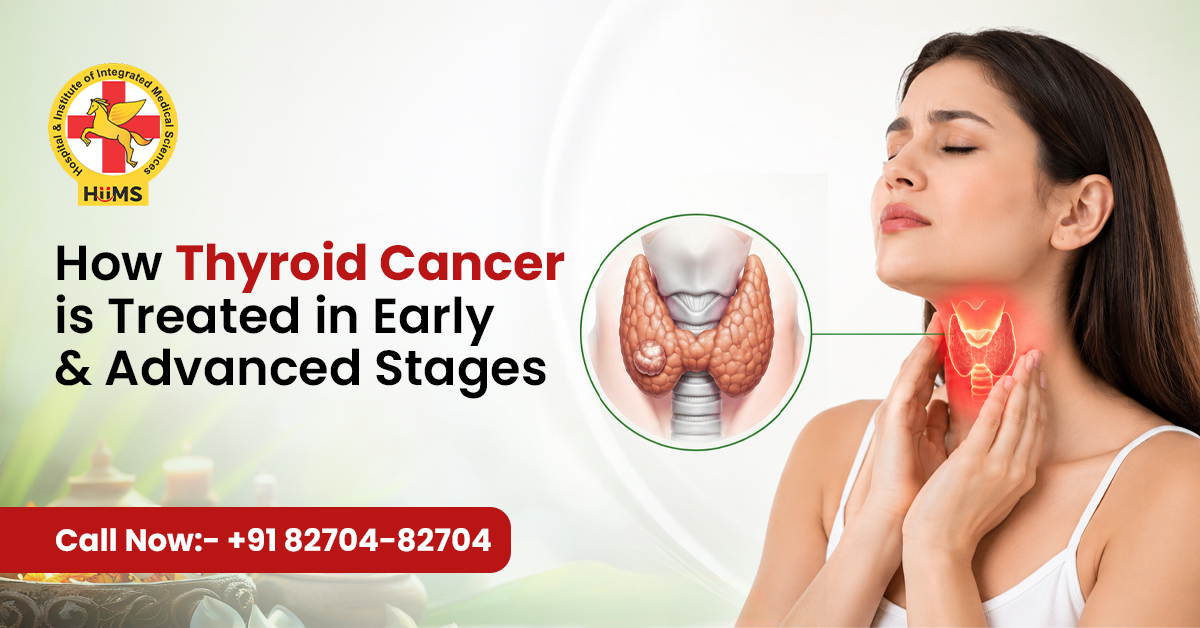
Learning about thyroid cancer is likely overwhelming. It is likely not something one is expecting, and as symptoms initially may be rather unnoticeable, this should be considered normal. The thyroid is a relatively small gland located in the neck, but it dictates many of the processes within the body.
In many cases, people only notice something when a small lump appears or when the voice starts changing slightly. Sometimes it is ignored for a while. That delay can make things complicated later.
The good part is, with the right thyroid cancer treatment, both early and advanced stages can be managed in a planned way. Again, the answer is highly dependent on correct and early diagnosis and appropriate treatment from the correct thyroid cancer hospital and doctor. Awareness of treatment procedures at various levels can help bring some sense of clarity to the condition.
Understanding Thyroid Cancer and Its Causes
Thyroid cancer develops when cells in the thyroid gland start growing in an unusual and uncontrolled way. These cells slowly form a lump or nodule. There isn’t always a single clear cause. In many cases, it happens due to a mix of factors:
- Family history of thyroid issues.
- Exposure to radiation.
- Hormonal imbalance.
- Iodine imbalance in diet.
Not everyone with these factors will develop the condition. Still, awareness helps. It gives a chance to focus on early thyroid cancer care instead of reacting later.
Thyroid Cancer Symptoms That Are Easy to Miss
Symptoms are often mild in the beginning, which is why many people don’t take them seriously.
- Persistent cough without clear reason
A cough that doesn’t settle, even without infection, may feel normal. But sometimes it points to internal pressure. - Breathing discomfort or tightness
Slight difficulty in breathing, especially while lying down, can go unnoticed. - Ongoing fatigue or low energy
You may feel tired even after proper rest. It continues through the day. - Feeling of fullness or pressure in the neck
Not pain exactly, but a strange heaviness that feels unusual. - Subtle hormonal changes
Small weight changes, restlessness, or mood shifts. These are often mistaken as regular thyroid problems.
These signs may look simple, but if they stay for long, it’s better to consult a best thyroid cancer doctor and not delay.
How Thyroid Cancer is Diagnosed?
Diagnosis usually starts with a basic physical check. The doctor examines the neck area to feel for any swelling or lump. If something looks unclear, an ultrasound is suggested. It helps in getting a better view of the thyroid gland. In some cases, a biopsy is advised to confirm the condition.
These tests are generally simple. They help in planning the right thyroid cancer treatment without rushing into unnecessary steps. A good thyroid cancer hospital will always focus on clarity before moving ahead.
How Thyroid Cancer is Managed in Early Stages?
When detected early, treatment is usually more manageable. The main aim is to control the condition before it spreads further. Surgery is often the first step. Depending on the case, doctors may remove part or the whole thyroid gland. It varies from person to person.
After surgery, hormone therapy may be required. Since the thyroid controls hormone balance, the body needs support after removal. Radioactive iodine therapy is also used in many cases. It helps in destroying any remaining abnormal cells that surgery could not remove.
Early-stage thyroid cancer treatment usually responds well when followed properly. With regular monitoring and proper thyroid cancer care, recovery becomes more stable over time.
How Thyroid Cancer is Treated in Advanced Stages?
The treatment at later stages become much more specific and may be a combination of different treatments. Surgery may be performed and sometimes surrounding tissues or lymph nodes are also removed.. It depends on how far the condition has spread.
Radioactive iodine therapy may or may not work fully in such cases. So doctors may suggest external radiation therapy. This method targets specific areas where needed. Targeted therapy is another option. It works by slowing down the growth of abnormal cells at a deeper level.
The process can feel heavy, honestly. That’s why choosing the best thyroid hospital and proper guidance matters a lot. A structured plan makes things more manageable, even in advanced stages.
Choosing the Right Approach for Thyroid Cancer Treatment
Managing thyroid concerns today is not just about controlling reports. Another more sensible method considers the way that the body is functioning as a whole. In a place such as Jeena Sikho HiiMS, treatment is often based on looking at the reason for the condition as well as the symptom.
The treatment will not be approached on a hurried manner; but step by step. This method of thyroid cancer treatment can include digestion patterns, lifestyle patterns and the person’s stress levels and lifestyle. These things may seem like minor details but can influence the body’s condition greatly. In some cases, doctors may simply observe the condition closely before suggesting any strong procedure. In others, medicines or therapies are advised. It often depends on the patient’s condition.
Guidance from a best thyroid cancer doctor helps in building a plan that actually suits the individual instead of following a fixed method. This makes the overall journey feel more clear and easier to handle.
How to Stay Balanced During Thyroid Cancer Treatment?
But treatment is not all about procedures, it is also about everyday habits. Small things you might consider:
- Small but healthy and light meals.
- Consistent sleeping habits.
- Making the small lifestyle changes to cope with your feelings.
- Attending your regular follow-up appointments.
In some cases, emotional care plays a significant role; treatment may lead to low mood or anxiety. Proper thyroid cancer care includes mental and emotional balance too. Even small changes, done regularly, can support the body in a steady way.
When Should You Seek Medical Help?
It is easy to ignore early signs, especially when they are not painful. But delaying may complicate things later. You should seek guidance if:
- A neck lump does not go away.
- Voice changes continue.
- Swallowing feels difficult.
- Symptoms slowly increase.
Early consultation with a best thyroid hospital can help in proper planning. It does not always mean something serious, but it helps in staying on the safer side.
Conclusion
Managing thyroid cancer depends a lot on early attention and the direction you choose for care. Though the first stages of the disease can be easily managed, you may require more focused approach in the advanced stage. However, with proper thyroid cancer treatment and follow-ups, everything can be brought under control in a steady manner. You can get connected with experts if you ever experience any symptoms or require guidance. Contact us for consultation and VOPD guidance at +91 82704 82704 or email at care@jeenasikho.com for proper advice.

FAQs
1. Is there a common symptom of thyroid cancer?
A lump in the neck that develops as swelling and is not painful, often ignored by people, can be the first symptom of the cancer.
2. Is thyroid cancer treatable at an early stage?
Thyroid cancer at an early stage is normally quite treatable. It is often managed and kept under control and it is necessary for medical attention and continued support to be available.
3. Do all thyroid nodules show cancer?
Not every nodule that grows in the thyroid is necessarily cancerous as some nodules may prove benign; however they will all require check-ups.
4. How is thyroid cancer normally detected?
Doctors may suggest a physical check or scan or a biopsy to establish that it is cancer before suggesting the suitable form of treatment.
5. What lifestyle adjustments can aid during treatment for thyroid cancer? Healthy eating habits, rest, and avoidance of stress should support the body during medical treatment, though further guidance from doctors must be obtained.