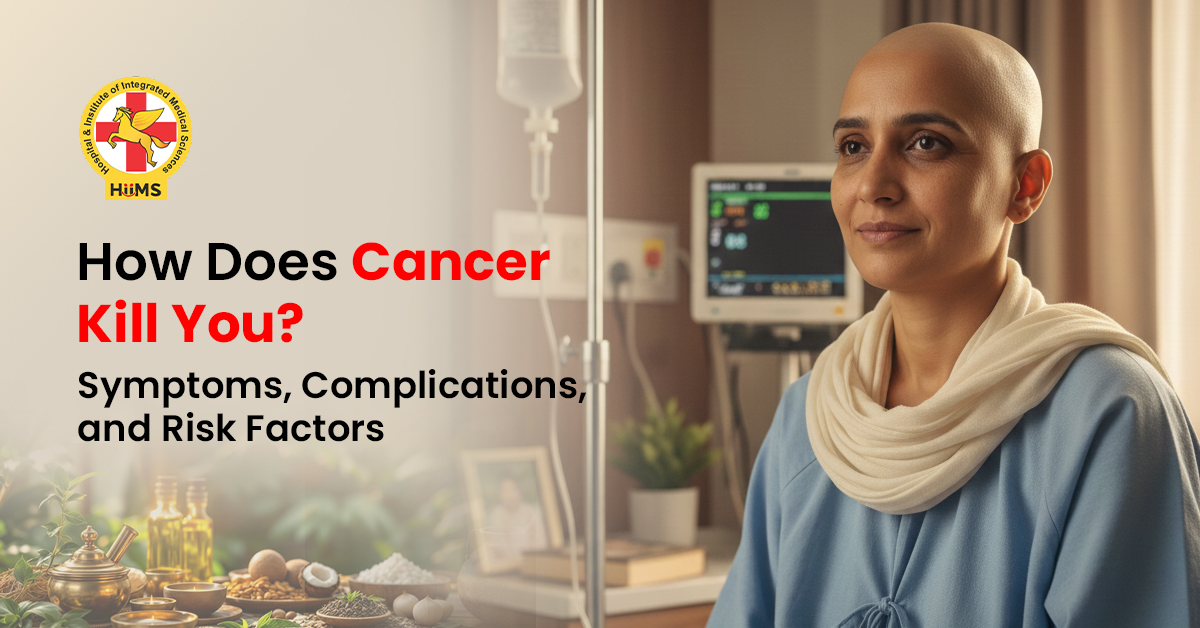

Cancer is one of the most serious diseases in the world today. Many people often ask, how does cancer kill you, but the answer is not very simple. Cancer does not harm the body in just one way. It affects the body slowly and deeply. It usually begins when normal cells inside the body start changing. These cells grow in the wrong way and do not stop when they should.
Healthy cells grow, work, and then die. Cancer cells do not follow this rule. They continue to grow without stopping. Slowly, these extra cells collect and form a lump called a tumor. Cancer may begin in one area of the body, but often it spreads to other parts. When it spreads, the disease becomes more serious and harder to treat.
When cancer reaches important organs like the lungs, liver, brain, or bones, it slowly damages them. These organs are needed for survival.
In this blog, you will understand how cancer becomes fatal, along with its symptoms, risk factors, and complications, and why visiting top cancer hospitals and consulting a cancer specialist is important.
How Cancer Develops and Its Stages
Cancer begins when normal body cells lose their balance. Normally, cells grow and divide in an orderly way. But in cancer, this balance is disturbed. Cells start multiplying without control. They do not stop, even when the body does not need them.
These extra cells form a lump or mass called tumor. Some tumors remain in one area and grow slowly, so they may not cause much harm in the beginning. But some tumors grow fast and spread to nearby areas or travel through the blood and lymph to other organs. This is known as metastasis.
Doctors usually divide cancer into four stages to see how much it has spread in the body.
- Stage 1: Cancer is small and limited to one area. Treatment is usually easier.
- Stage 2: The tumor grows bigger or reaches nearby tissues.
- Stage 3: Cancer spreads to nearby lymph nodes. Treatment becomes harder.
- Stage 4: Cancer spreads to distant organs. This stage is serious and often life-threatening.
Knowing the stage helps doctors choose the best cancer treatments. That is why visiting the best cancer hospitals and meeting a cancer specialist is important from the start.
Symptoms of Cancer
In the early stage, cancer may not show clear signs. Many people feel normal at first. But as cancer grows, symptoms slowly appear. These may include:
- A lump or unusual swelling in any part of the body
- Sudden weight loss without a reason
- Constant tiredness
- Skin changes or sores that do not heal
- Long-lasting cough or breathing trouble
- Changes in digestion or urination
- Fever or night sweats
Symptoms are different for each person. It depends on where the cancer is. If anything unusual is noticed, it is better not to ignore it. Early tests at top cancer hospitals can save time and lives.
Risk Factors of Cancer
Risk factors are conditions or habits that increase the chance of getting cancer. Some common risk factors are:
- Smoking or chewing tobacco
- Drinking alcohol too often
- Eating unhealthy food
- Lack of physical activity
- Exposure to harmful chemicals
- Family history of cancer
- Infections like HPV or hepatitis
Having a risk factor does not mean cancer will surely happen. It only increases the risk, and following a healthy lifestyle along with timely checkups can support prevention and the best cancer treatments if cancer is detected early.
How Does Cancer Kill You
Now comes the main question again: how does cancer kill you?
Cancer usually kills by damaging vital organs. When tumors grow in important organs, they affect how the body works.
Here are the main reasons why this happens:
1. Organ Failure
When cancer spreads to organs like the lungs or liver, it damages their function. Lung cancer affects breathing. Liver cancer affects blood cleaning. Once organs fail, survival becomes very difficult.
2. Lack of Oxygen and Blood Flow
Tumors may block airways or blood vessels. When oxygen or blood does not reach organs properly, they slowly stop working.
3. Malnutrition and Weakness
Cancer can reduce hunger or block digestion. The body does not get enough nutrients. Gradually, the person becomes weak and tired all the time.
4. Infections and Low Immunity
Cancer and its treatments weaken the immune system. Even small infections become dangerous. Sometimes infections become fatal.
5. Blood-Related Complications
Some cancers disturb blood flow. They cause heavy bleeding or dangerous clotting. This can suddenly affect the heart or lungs.
All of these show how cancer can cause death. Often, it is not the tumor alone, but the damage it causes inside the body. That’s why visiting the best cancer specialist is a smart decision.

Importance of Early Treatment
Early diagnosis makes a big difference. When cancer is found early, doctors can plan the best cancer treatments. Early care improves recovery chances.
Visiting the cancer hospitals helps patients get advanced treatment and experienced doctors. A good cancer specialist can properly guide and reduce complications. Early treatment also improves the quality of life during recovery.
Conclusion
Cancer is a serious illness, and many people try to understand how does cancer kill you. Cancer harms the body by growing uncontrollably and spreading to vital organs. Early signs are often ignored, but they should not be. Timely tests and treatment can save lives.
If you or your loved one is dealing with cancer, visiting Jeena Sikho HiiMS and consulting the best cancer specialist for proper guidance and cancer treatments is important. Understanding cancer early and acting on time can reduce its impact and give better hope for recovery.
FAQ
Q1. Does cancer always cause pain?
Cancer may not cause pain in the early stages.
Q2. Which organs are most affected by cancer?
Lungs, liver, brain, bones, and blood are commonly affected.
Q3. Can cancer cause organ failure?
Cancer can damage vital organs and lead to organ failure.
Q4. What are the main risk factors for cancer?
Smoking, alcohol, an unhealthy diet, and family history.
Q5. Is early detection important in cancer?
Early detection improves treatment success rates.