
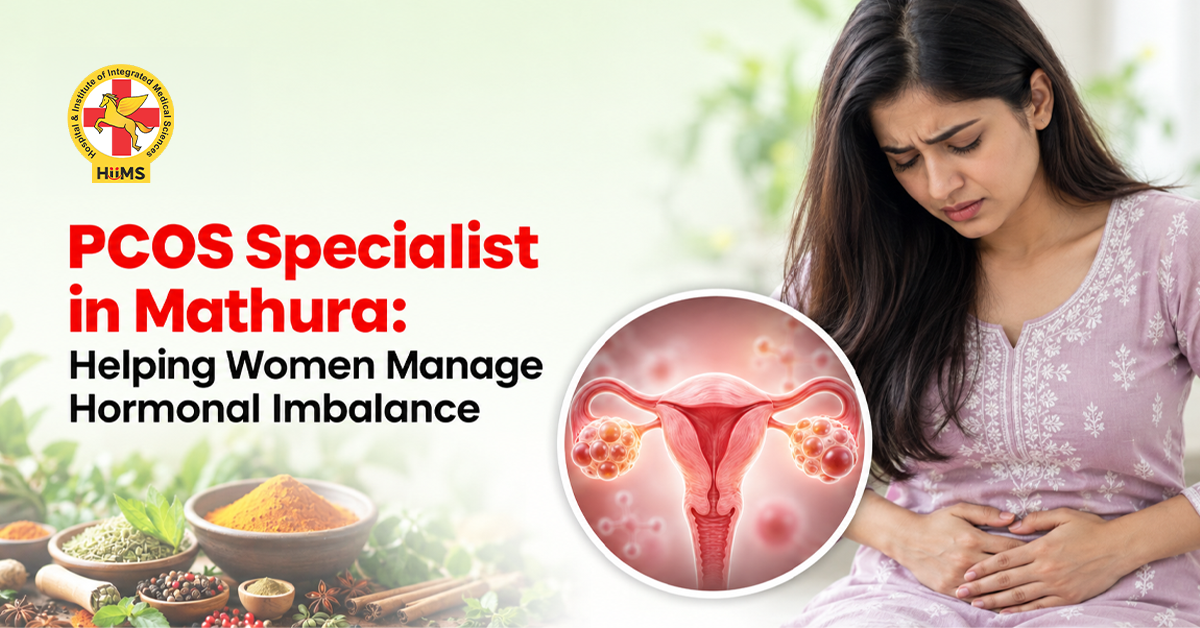
Periods that show up whenever they feel like it. Weight that just won’t budge no matter what you try. Acne that skincare alone can’t fix. Sound familiar? A lot of women deal with this combo for years before anyone actually says the word PCOS out loud. It’s far more common than people think. Around 116 million women worldwide live with it, and Indian studies put the prevalence of PCOS anywhere between 3.7 to 22.5 per cent, depending on how it’s measured.
If you’ve been looking for a PCOS specialist in Mathura, let’s actually get into what’s causing all this, what your real options are, and how Ayurveda handles it differently from a standard hospital visit.
So What is PCOS, Really?
Your ovaries end up producing more male hormone than they should. That throws off regular ovulation and often leads to small, fluid-filled sacs forming on the ovaries. It’s one of the most common hormonal issues women deal with during their reproductive years.
Nobody’s pinned down one exact cause: genetics plays a part for some, insulin resistance for others, and lifestyle tends to get mixed in there too.
Why Do Women Miss the Early Signs So Often?
Because honestly, the symptoms don’t scream “hormonal condition” at first. Most women just chalk it up to stress or “that’s just my body.” Here’s what usually shows up:
- Periods skipping months or showing up erratically
- Weight gain that seems to happen out of nowhere, mostly around the belly
- Stubborn acne that won’t clear with regular skincare
- Extra hair growth on the face or body
- Hair thinning on the scalp
- Trouble getting pregnant when trying
If you recognize 2 or more of these signs, it might be time to stop guessing and get a proper diagnosis. Talk to a PCOS specialist today.
What Does PCOS Treatment in Mathura Actually Look Like?
Once things are confirmed, PCOS treatment in Mathura usually starts pretty simple: better sleep, regular movement, and diet changes aimed at managing insulin resistance, which plays a much bigger role in PCOS than most people realise. Depending on how severe things are, doctors sometimes add medication to help regulate cycles or manage specific symptoms.
What’s shifted lately is how many women are now pairing this with Ayurvedic support too, trying to work on the root imbalance rather than just chasing symptoms one at a time.
How Does Ayurveda Approach This Differently?
Ayurveda doesn’t just look at your ovaries; it looks at digestion, metabolism, and an imbalance mainly involving Kapha and Vata dosha. Weak digestion, or low Agni as it’s called, is believed to cause toxins to build up, and that buildup gradually throws hormones off balance.
So instead of only managing what’s visible on the surface, the focus shifts to improving digestion, reducing internal inflammation, and helping the body find its own hormonal rhythm again through diet, herbs, and daily routine.
At Jeena Sikho HiiMS Mathura, this usually plays out as a few things working together rather than a single fix. Doctors start by understanding your digestion, sleep, and stress levels before suggesting anything, since these are seen as directly tied to how your hormones are behaving. From there, treatment typically includes herbal formulations aimed at supporting hormonal balance,
Panchakarma-based therapies to ease internal toxin buildup, and a personalised diet plan built around your body type rather than a generic PCOS diet sheet.
Daily routine correction and stress management are folded in too, since both quietly affect how well the rest of the plan actually works. None of this is meant to fix things overnight; it’s built to work gradually, the same way the imbalance built up in the first place.
What Should a Good PCOS Doctor in Mathura Actually Do?
Picking the right doctor matters more than people think, mainly because PCOS looks different for practically every woman who has it. A good PCOS doctor in Mathura won’t glance at your reports and write a prescription in two minutes. They will ask about your cycle history, weight changes, stress, sleep, family history, and the full picture before building something around your specific case.
Finding a Proper PCOS Hospital in Mathura
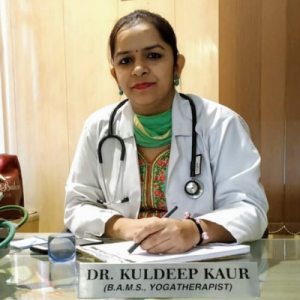
At Jeena Sikho HiiMS Mathura, this kind of care comes from doctors like Dr. Kuldeep, Dr. Pranav Bhardwaj, and Dr. Kavita Bhardwaj, working out of their 20-bed integrated facility that combines Ayurveda, Panchakarma, and naturopathy in one place.
A PCOS hospital in Mathura shouldn’t just be a quick consultation and a prescription; it should include a real assessment, a clear plan, and actual follow-up to see how your body’s responding over time. Meet Dr. Kuldeep, Dr. Pranav Bhardwaj & Dr. Kavita Bhardwaj.
What Does PCOS Treatment Actually Involve at Jeena Sikho HiiMS Mathura?
At a place offering integrated PCOS care, treatment usually pulls together a few things rather than relying on just one:
- A diet plan built around your specific body type and symptoms
- Panchakarma-based detox therapies for internal cleansing
- Herbal formulations are traditionally used to support hormonal balance
- Guidance on routine, sleep, and stress, since all three quietly affect your hormones
Why the Right PCOS Specialist in Mathura Actually Matters
PCOS rarely gets sorted out in a single visit or with a one-size-fits-all prescription. It shows up differently in every woman for one person it’s irregular cycles and weight gain, for another it’s acne and hair thinning, which means the treatment needs to look different too.
The right PCOS specialist in Mathura doesn’t just glance at your reports and send you off with a prescription. They actually track your progress over weeks and months, adjust the plan as your body responds, and treat your specific symptoms as just that specific, instead of running the same protocol on every patient who walks through the door.
At Jeena Sikho HiiMS Mathura, doctors like Dr. Kuldeep, Dr. Pranav Bhardwaj, and Dr. Kavita Bhardwaj follows this same idea, sticking with your case over time rather than treating each visit as a fresh start, so the plan actually evolves as your body responds instead of staying static.
Conclusion
PCOS can feel like a lot to untangle, especially with so much conflicting advice floating around online. But once you get a proper diagnosis and guidance built around your specific case, it starts feeling a lot more manageable.
If you are looking for a personalised, integrated approach for your PCOS specialist in Mathura search, you can book a VOPD consultation with Jeena Sikho HiiMS Mathura and talk through your symptoms with their team before deciding what’s next.

FAQ’s
Q1. Is PCOS the same thing as PCOD?
Not quite. They’re related, but PCOS is usually considered more complex with broader metabolic effects, while PCOD tends to be milder and more common.
Q2. Can I manage PCOS without being on medication forever?
For a lot of women, yes, especially with early diagnosis. Diet, lifestyle, and regular monitoring can go a long way on their own.
Q3. Does Ayurveda genuinely help with PCOS?
Plenty of women combine it with regular medical care for hormonal support, though how well it works really varies from person to person.
Q4. How common is PCOS in India?
Studies show anywhere from 3.7% to close to 22.5%, depending on the diagnostic criteria and which region is being studied.
Q5. Can PCOS make it harder to get pregnant?
It can, mainly because ovulation gets irregular, but a lot of women with PCOS do go on to conceive with the right support in place.
Disclaimer: The information provided on this blog is for general educational and informational purposes only. It is not intended to replace professional medical advice, diagnosis, or treatment. Always consult a qualified healthcare professional before making any changes to your diet, lifestyle, or treatment plan. Individual results may vary.