
Going through cancer treatment, whether chemotherapy, radiation, or surgery, demands a tremendous amount of energy from the body. During this time, getting proper nourishment is just as vital as medical therapy itself. However, common treatment side effects like severe nausea, fatigue, mouth sores, loss of appetite, and altered taste buds can make mealtime feel overwhelming.
A well-planned cancer treatment diet focuses on protecting healthy cells, preserving muscle strength, and keeping your energy steady through every phase of treatment. Combining nutrition with holistic Ayurvedic support for cancer care provides a safe and gentle approach to soothing digestion and rebuilding vital energy.
Why Proper Nutrition Matters During Therapy
When your body undergoes oncology treatments, it works very hard. It requires extra calories, protein, and micronutrients to repair healthy tissues that are affected alongside cancer cells.
Balanced nutrition during chemotherapy also helps to prevent undesirable weight loss and muscle wasting. Good nutrition also supports your immune system and keeps you protected from secondary infections when your white blood cell counts are low. A healthy cancer diet plan reduces stress and makes sure every meal supports your recovery.
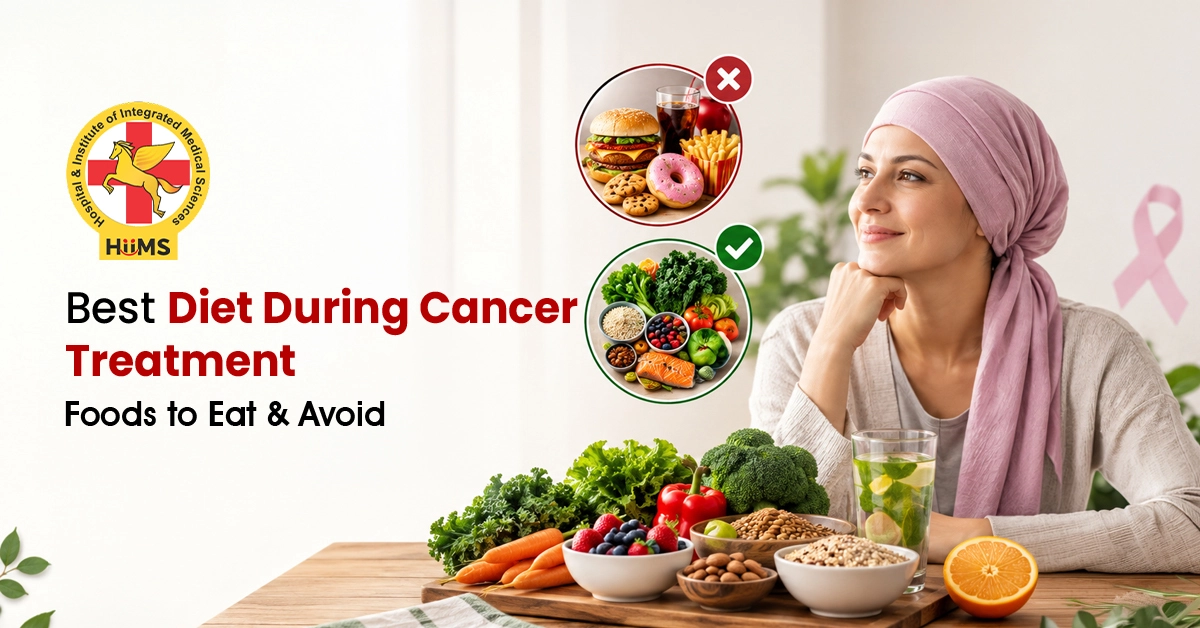
What Foods to Eat During Cancer Treatment
When selecting foods for cancer patients, the primary goal is choosing items that are high in density, gentle on the digestive tract, and easy to absorb.
Light Proteins
Protein provides the essential components for tissue repair and supports a healthy immune system.
- Mung Dal & Yellow Lentils: Easily digestible and packed with clean plant protein.
- Paneer or Tofu: Mild, non-irritating sources of protein.
- Fresh Buttermilk: Supplies light protein and soothes the stomach lining.
Immune and Anti-Inflammatory Foods
- Anti-Inflammatory Foods: Spices like turmeric, fresh ginger, cinnamon, and mild black pepper help calm tissue irritation and reduce gut stress
- Immune-Supporting Foods: Cooked carrots, pumpkin, steamed leafy greens, beets, and amla offer important antioxidants without irritating delicate mucous membranes
Easy to Digest Carbohydrates
Complex carbohydrates provide steady glucose for energy without overwhelming a sensitive stomach. Warm oatmeal, cooked quinoa, stewed apples, and moong dal khichdi are excellent staples.
Adopting healthy eating for cancer patients means prioritizing meals served warm, fresh, and soft, avoiding hard, cold, or overly dry textures.
Foods to Avoid During Cancer Treatment
Knowing what to avoid is just as important as knowing what to eat. During active treatment, your body’s immune defenses and digestive barrier can become compromised.
Here are key foods to avoid during cancer treatment:
- Raw or Undercooked Foods: Avoid raw meat, raw eggs, sushi, unpasteurized milk, and raw salads. Raw vegetables can harbor bacteria that cause severe stomach infections when your immunity is low. Always eat vegetables fully cooked.
- Ultra-Processed & Greasy Items: Deep-fried foods, packaged chips, and heavy gravies strain the liver and digestive system, often worsening nausea and diarrhea.
- Refined Sugars & Acidic Items: Excess refined sugar promotes systemic gut inflammation. Acidic, overly salty, or hot spicy foods can cause intense pain if you have mouth ulcers or acid reflux.
Ayurvedic support for cancer care: Restoring Balance
In Ayurveda, effective nutrition depends not just on what you consume but on how well your body digests and absorbs it. Digestion is governed by internal digestive fire. Treatments like chemotherapy can dampen Agni, leading to a buildup of metabolic waste, which shows up as loss of appetite, bloating, metallic tastes, and deep fatigue.
An Ayurvedic diet for cancer focuses on reigniting this digestive fire softly:
- Warm, Moist Meals: Warm soups, rice gruel, and stews are far easier to break down than cold smoothies or dry sandwiches.
- Gentle Spices: Using small amounts of cumin, coriander, fennel and cardamom stimulates appetite, reduces gas and eases nausea
- Protecting Vital Energy (Ojas): Consuming freshly cooked foods cooked with small amounts of pure ghee nourishes deep tissues and sustains stamina.
Combining an Ayurvedic perspective with conventional treatment provides gentle, restorative Ayurvedic support for cancer care without interfering with your medical prescriptions.
Managing Symptoms of Cancer
Side effects can vary from day to day. Here are practical ways to adapt—
- Managing Nausea: Sip warm ginger tea, chew on a small slice of fresh lemon or drink small amounts of fresh coconut water throughout the day.
- Soothing Mouth Sores: Eat meals at room temperature or slightly cool. Choose mashed avocados or boiled squash, avoiding citrus and sharp edges.
- Get Over Metallic Taste: Use non-metallic utensils like wooden, ceramic, or plastic and add herbs like mint or fennel to help refresh.
Practical Tips & Sample Daily Meal Plan
Here is a balanced meal plan for cancer patients designed to keep energy consistent
- Early Morning: Warm water with a slice of fresh ginger or a pinch of turmeric
- Breakfast: Warm oatmeal cooked with almond milk, topped with cinnamon and stewed apples
- Mid-Morning: A glass of fresh coconut water or warm vegetable broth
- Lunch: A bowl of moong dal khichdi prepared with a teaspoon of ghee, cumin seeds, and well-cooked zucchini
- Evening Snack: Roasted makhana or warm fennel tea
- Dinner: Smooth lauki soup served with a small portion of soft-boiled rice
Healing isn’t about eating a perfect diet every single day; it’s about finding simple ways to keep your strength up. Following a simple cancer diet plan nourishes your body without overloading your digestion.
Conclusion
Nourishing your body during treatment is about consistency, patience, and self-compassion. Rather than strict restrictions, focus on giving your cells clean, comforting, and nutrient-rich diet to support recovery.
By combining wholesome foods with Ayurvedic support for cancer care in Mathura, you can minimize uncomfortable side effects, maintain your weight, and protect your quality of life.
Ayurvedic centers like Jeena Sikho HiiMS Mathura offer holistic support for cancer care using natural therapies, Panchakarma, and personalized diet & lifestyle guidance. Book a HiiMS VOPD today to consult a cancer specialist and get holistic guidance on your cancer treatment.

FAQs
Q1. What are the best foods for cancer patients dealing with severe nausea?
Warm, bland, and soft foods work best. Mung dal soup, rice gruel, stewed apples, steamed squash, and ginger water are very gentle on the stomach and help settle nausea quickly.
Q2. Can cancer patients drink raw fruit and vegetable juices during treatment?
Raw juices carry a risk of bacterial contamination when white blood cell counts are low, making warm, cooked soups a safer choice. If you prefer juices, ensure all ingredients are thoroughly washed, peeled, and freshly prepared at home.
Q3. Is it safe to take extra vitamins or herbal supplements alongside chemotherapy?
High-dose supplements and certain herbs can interact with chemotherapy drugs or alter their effectiveness. Always consult your oncologist or an Ayurvedic specialist before adding any new supplement to your daily routine.
Q4. Should cancer patients eliminate sugar from their diet?
While refined white sugar, sugary sodas, and ultra-processed desserts should be avoided because they trigger gut inflammation, naturally occurring sugars in cooked fruits, whole grains, and vegetables provide the vital glucose your cells need to repair themselves.
Q5. How does Ayurvedic support for cancer care complement ongoing chemotherapy or radiation?
Ayurvedic practices focus on keeping your digestive system active and reducing treatment side effects like severe nausea, dryness, and fatigue. This ensures your body absorbs maximum nutrients from your food while keeping your strength during oncology sessions.
Disclaimer: The information provided on this blog is for general educational and informational purposes only. It is not intended to replace professional medical advice, diagnosis, or treatment. Always consult a qualified healthcare professional before making any changes to your diet, lifestyle, or treatment plan. Individual results may vary.