

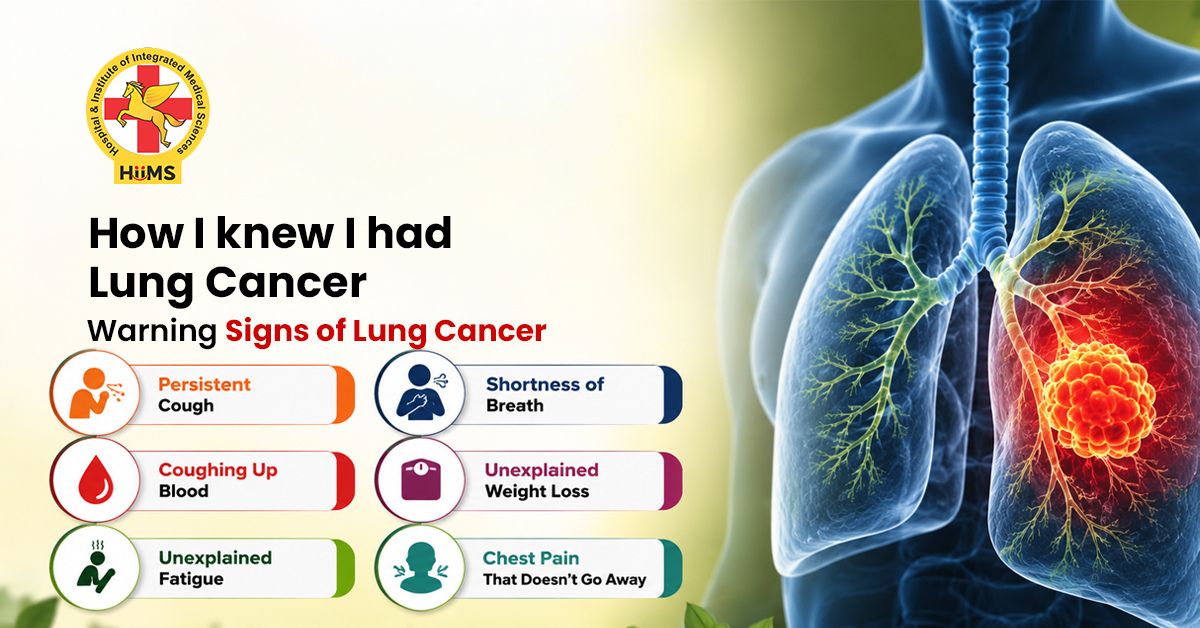
In the early stages, lung cancer usually doesn’t cause any obvious symptoms. But early detection of lung cancer usually begins with noticing subtle, persistent changes in your breathing health. The main signs of lung cancer include a worsening chronic cough, sudden unexplained breathlessness, ongoing chest discomfort, rapid weight loss and coughing up rust-coloured mucus.
Early respiratory problems such as exhaustion or a seasonal allergy are incredibly easy to ignore. But when you notice these gentle changes in your breathing, it can change your health journey entirely. It moves you away from panic and toward a structured recovery path. In this blog, we will explore these five critical warning signals from a patient perspective, look at when it is vital to consult an experienced cancer doctor, and introduce how holistic therapies help rebuild your cellular health from the inside out.
What is Lung Cancer?
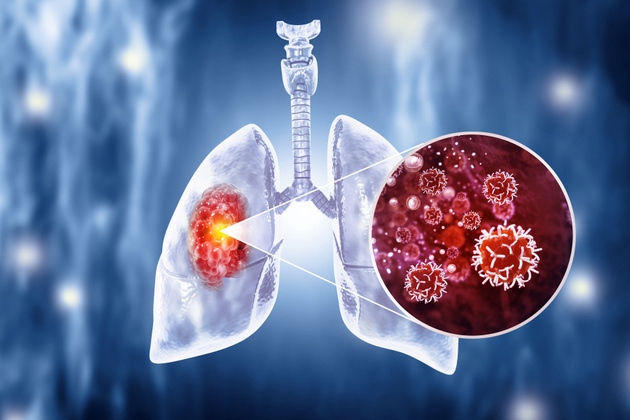
Lung cancer is a condition where abnormal cells in the tissues of the lungs begin to grow uncontrollably, eventually forming masses or tumours that disrupt respiratory function.
From a holistic perspective, this cellular mutation does not happen in a moment. Usually, it arises from the long-term accumulation of toxins in the body, low cellular immunity, and chronic inflammation of the respiratory tract. When the body’s natural defences are overpowered, cells begin to behave abnormally, interfering with the respiratory system.
5 Warning Signs of Lung Cancer
1. The Chronic Cough That Never Leaves
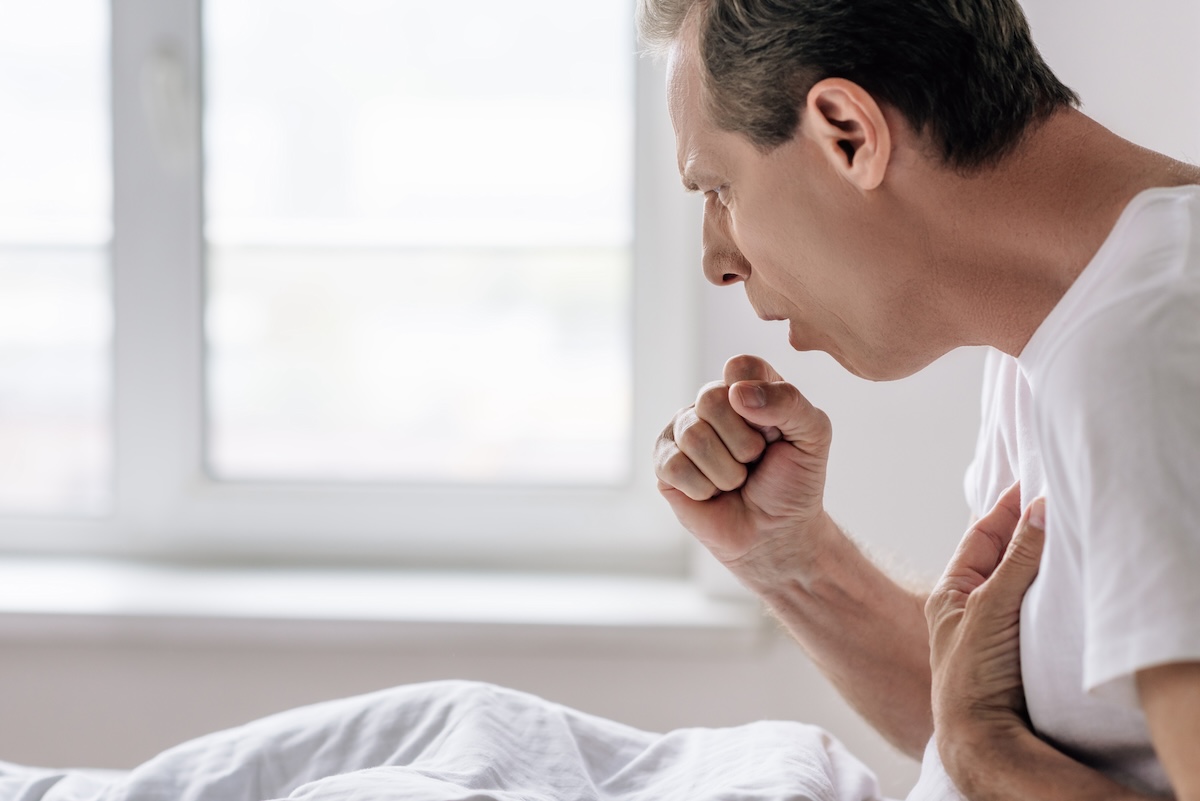
A standard cough from a cold or flu typically clears up in a week or two. A cough tied to structural lung changes is different—it does not go away. This happens because a growing mass irritates the sensitive lining of your airways, constantly triggering the body’s cough reflex. A dry, hacking or deep cough that persists beyond the three-week mark and gets worse and worse is a key indicator that your lungs are struggling with a deep-seated issue.
2. Unexplained Shortness of Breath

Feeling winded while walking a short distance, climbing a single flight of stairs, or even just speaking during a phone call is not normal. Fluid can begin to accumulate around the lungs, a condition known as pleural effusion, or a growing mass can partially block a major airway. This physically restricts how much oxygen your lungs can hold, leaving you with a sudden, frightening sense of breathlessness during regular daily activities.
3. Constant Chest Discomfort
/assets/images/provider/photos/2389840.jpg)
The pain can feel like a dull, deep pressure or a sharp tightness in the chest. Our respiratory nerves are so intertwined that this discomfort often worsens when you take a deep breath, laugh, or cough. Depending on the location of the cellular changes, this pain can also radiate outwards, causing unexplained soreness in the upper back, shoulders or shoulder blades.
4. Rapid Weight Loss and Systemic Fatigue

When a chronic illness develops, it alters your entire metabolism. The body goes into a hyper-metabolism state, working overtime to burn huge amounts of energy to fight off abnormal cellular growth. This can sometimes cause rapid, significant weight loss even without changing your diet or exercise routine. Alongside the weight loss comes a profound, crushing exhaustion—the kind of fatigue that a full night of deep sleep cannot fix, leaving you feeling entirely drained from morning until night.
5. Changes in Sputum and Traces of Blood

It is important to pay attention to what you cough up. If you see blood in your phlegm – the medical term for this condition is ‘haemoptysis‘ – this symptom is one of the clearest ways your body can warn you that you might have lung cancer. It is not always bright red blood but may be microscopic streaks, pinkish mucus or rust-coloured phlegm. It is a sign that fragile blood vessels near the irritated airway tissue are breaking down and an important signal that professional medical advice is needed right away.
Integrated Lung Cancer Treatment at Jeena Sikho HiiMS Manesar Gurugram
When managing chronic respiratory conditions, Jeena Sikho HiiMS Manesar Gurugram focuses on restoring the body’s natural balance and rebuilding cellular health to safely support standard lung cancer treatment goals.
- Golden Therapy: This is an Ayurvedic therapy that uses a unique natural application to activate the body’s natural healing mechanism. This involves churning a fresh paste of neem, raw turmeric, banyan leaves and bitter gourd with the feet to help flush deep-seated metabolic waste, support cellular immunity and calm internal tissue inflammation.
- Aahar (Diet): It involves a plant-based diet approach. This diet includes a high volume of raw, seasonal fruits and vegetables, which reduces internal stress, provides clean antioxidants, and creates an optimal environment for cellular recovery.
- Vihaar (Lifestyle): This includes gentle yoga and pranayama (deep breathing exercise) to increase lung capacity and oxygen intake and disciplined daily sleep and wake cycles to reduce physical stress.
- Panchakarma: It is a five-step cleansing therapy. It involves flushing out the toxins from the internal body. Virechana is used to support the smooth elimination of metabolic waste, helping to clear toxic blockages from the body’s primary pathways.
- Herbal Support: Some herbs are combined to soothe the irritation of the mucosal lining of the respiratory tract, help clear congestion, and naturally strengthen your immune defences.
When to Seek Expert Evaluation
It’s important to know the difference between temporary respiratory bugs like bronchitis or seasonal allergies and the progressive symptoms of lung cancer. A viral infection typically peaks and improves within a clear timeframe. If your respiratory issues are progressive, you must seek expert guidance.
Scheduling a diagnostic evaluation with a specialised cancer doctor as early as possible helps ensure you receive an accurate assessment. Catching these changes early allows for gentler, more natural, and supportive care options.
Conclusion
Identifying subtle changes in your body, rather than ignoring long-term respiratory discomfort, is the most crucial step you can take for your health. A persistent cough or sudden breathlessness is your body’s way of asking for help. Recognising the early signs of lung cancer allows you to take charge of your health and pursue root-cause care sooner.
Reclaiming your well-being means moving away from temporary symptom fixes and choosing a path that supports your body’s natural healing, strengthens your immunity, and restores your health. If you are experiencing the signs of lung cancer, you can visit Jeena Sikho HiiMS Manesar, Gurugram for natural guidance. Or you can also connect with the experts through the HiiMS VOPD (video consultation) service to get a natural recovery plan.

Frequently Asked Questions
Q1. Can non-smokers display early signs of lung cancer?
Ans. Yes, non-smokers can also display early signs of lung cancer.
Q2. How does a holistic cancer doctor approach treatment differently?
Ans.A holistic cancer doctor does not just aim to suppress tumours but also to improve the overall health of the body, to strengthen the natural immunity and to eliminate deeply rooted toxins that lead to the growth of abnormal cells.
Q3. What immediate lifestyle change helps improve lung vitality?
Ans. Switching to a clean, chemical-free, natural diet and practising daily conscious deep breathing exercises can significantly reduce internal inflammation and boost your oxygen levels.
Q4. What are the very first signs of lung cancer to watch out for?
Ans. The first symptoms are a persistent change in your breathing, a recurrent cough, and unexplained shortness of breath during your daily activities.
Q5. When should a person schedule a consultation with a specialist?
Ans. If you experience respiratory symptoms that are worsening or you notice any blood-tinged phlegm, you should see a specialist immediately.