

Knee pain is widespread and may occur in individuals of any age. It may begin following an injury, when individuals grow older, or with excessive exercise or health issues. The knee assists us in walking, ascending stairs, sitting, and standing. Even simple things become difficult when a knee is sore.
Individuals tend to seek treatment when knee pain is chronic or disruptive to normal life. The pain may either accumulate gradually or occur abruptly. It may be as a result of swelling, cartilage damage, or arthritis.
This blog describes the causes of knee pain, the symptoms, and knee joint pain treatment, including natural and Ayurvedic methods to help the joints.
What Is Knee Joint Pain?
Knee joint pain is an ache or stiffness of the knee that may make it difficult to move. The thigh bone, shin bone, and kneecap, together with muscles, ligaments, and cartilage, ensure that the knee is stable.
When any of the joints is irritated or injured, you experience pain. The best place to begin with treatment is to establish the cause of the problem.
Causes of Knee Joint Pain
Knee joint pain may be caused by a number of factors. Some common causes include:
- Osteoarthritis—This occurs when the cartilage, which cushions the knee, degenerates over time.
- Trauma or injury—The knee joint may be harmed in sports, by tearing a ligament, or during an accident.
- Excess body weight—Adding extra body weight may increase the pressure on the knee joints in motion.
- Wear and tear due to age—The tissues surrounding the joints might reduce with age, thereby causing discomfort in the knee.
- Joint inflammation—Inflammatory diseases can result in swelling, pain, and stiffness of the knee.
Symptoms of Knee Joint Pain
The symptoms of knee pain can manifest themselves in various ways depending on the cause. Common signs include:
- Soreness during walking or up or down stairs
- Pitting of the knee joint
- Rigidity and lack of flexibility
- Pain in bending or straightening of the knee
- Pain in the joint that is popping or grinding
When these symptoms are prolonged, it is necessary to visit a doctor and have a proper check and treatment.
Ayurvedic Treatment for Knee Joint Pain
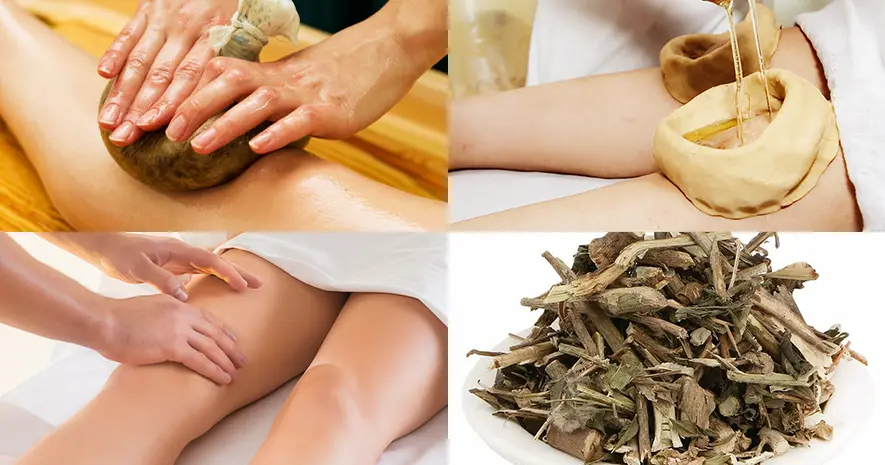
Ayurveda believes that knee pain is caused by an imbalance in Vata dosha, which is the one that influences bones and joints. Ayurvedic treatment for knee joint pain is directed to enhance the health of the joints, relieve the stiffness, and assist the body in the process of healing.
If you need knee pain treatment, hospitals like Jeena Sikho HiiMS in Manesar‑Gurugram can give a consultation and evaluate your joint problem.
At HiiMS, doctors look at your condition, history, and symptoms before suggesting treatment. They pay attention to the cause of your knee pain and put you in the appropriate knee pain management and lifestyle modifications. Patients who visit HiiMS for knee therapy will get a medical check, evaluation, and guidance on joint care.
Herbal support—Herbal medicines such as ashwagandha, shallaki, guggulu, and dashmool are commonly used to assist the health of the joints.
Panchakarma—Some cleansing procedures can assist in the removal of toxins and aid in the functioning of the joints.
Massage—Herbal oil massage can enhance blood circulation and decrease stiffness. These are the common Ayurvedic knee pain treatment methods.
Knee Joint Therapy for Pain Management
Different forms of knee joint therapy may help manage pain and improve mobility. These therapies may include:
- Muscle-strengthening exercises in the form of physical therapy
- Joint mobility exercises
- Heat therapy for stiffness
- Behavioral changes to ease joint stress
These are commonly combined to treat long-term knee pain.
When Should You See a Doctor?
You must seek medical advice when:
- Pain lasting for weeks
- Redness or swelling of the joint
- Problems with standing or walking
- Knee feels unstable
- The pain is aggravated by the daily activities
Early attendance at the doctor will prevent the escalation of the issue.
Conclusion
Untreated knee pain may prevent you from engaging in normal activities and may restrict movement. Early care can be initiated by being familiar with the causes and signs. Joint health and lifestyle modifications, physical activity, and conventional therapies can help you feel more comfortable.
If you need knee joint pain treatment, talking to experienced doctors at Jeena Sikho HiiMS in Manesar‑Gurugram can help you learn what’s causing the pain and find the right treatments. To consult or to obtain more information:
Phone: +91 82704 82704; Email: care@jeenasikho.com.
FAQs
Q1. What is the most prevalent cause of knee joint pain?
Ans. Common causes include osteoarthritis, injury, inflammation, and wear as a result of age.
Q2. Is it possible to treat knee joint pain with natural means?
Ans. It can be assisted by exercise, maintaining a healthy weight, and conventional therapies.
Q3. When is it time to visit the doctor about knee pain?
Ans. Consult a doctor in case knee pain persists for weeks and interferes with normal life.
Q4. What therapies are used for knee pain management?
Ans. Depending on the problem, treatments may involve physical therapy and exercises, lifestyle modification, and traditional therapies.
Q5. And where can I find a doctor to treat knee joint pain?
Ans. You can go to hospitals like Jeena Sikho HiiMS in Manesar‑Gurugram; doctors will check your joints and advise you on treatment.