
Your liver is one of the hardest working organs in your body. It processes everything you eat and drink, filters out harmful toxins, balances your hormones and turns food into steady energy. However modern lifestyles, poor eating habits and lack of movement have led to a sharp rise in a condition known as fatty liver.
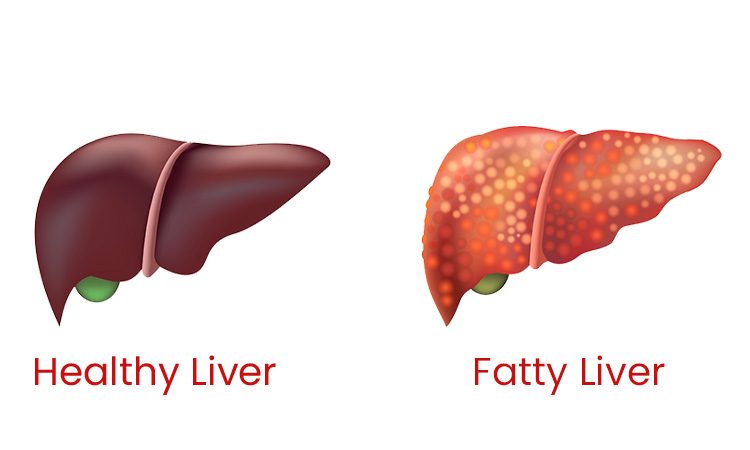
A fatty liver occurs when extra fat builds up inside your liver cells. While it is completely normal for your liver to contain a tiny amount of fat, problems arise when that fat makes up more than 5 to 10 percent of the organ’s total weight.
Because the liver does not have nociceptors (pain-sensing nerves) on its outer tissue, fat can accumulate quietly for years without causing severe discomfort. As a result, many people ignore a fatty liver diagnosis as a minor issue. In this blog, we will answer is fatty liver dangerous?, while exploring key warning signs, underlying causes, and how holistic care can help reverse it naturally.
Is Fatty Liver Dangerous?
So, is fatty liver dangerous? The short answer is yes if it is left unmanaged. While early-stage fat accumulation is completely reversible, ignoring it allows the condition to slowly progress through four distinct stages
- Stage 1 – At this stage excess fat accumulates in the liver cells. There is usually no permanent damage or active inflammation, making it the easiest stage to reverse.
- Stage 2 – Over time, excess fat acts like an irritant, causing the liver to swell and become inflamed and healthy liver cells begin to suffer damage
- Stage 3 – Continuous inflammation leads to the formation of stiff scar tissue. This scarring gradually replaces smooth, healthy liver tissue, making it harder for the liver to filter blood
- Stage 4 – This stage known as Cirrhosis, it permanently shrinks and hardens the liver which can seriously damage the liver and lead to organ failure.
Beyond the liver, having a fatty liver significantly increases your risk of developing metabolic issues like type 2 diabetes, high blood pressure and heart disease. Treating fatty liver early is important for protecting your entire body.
Warning Signs of Fatty Liver
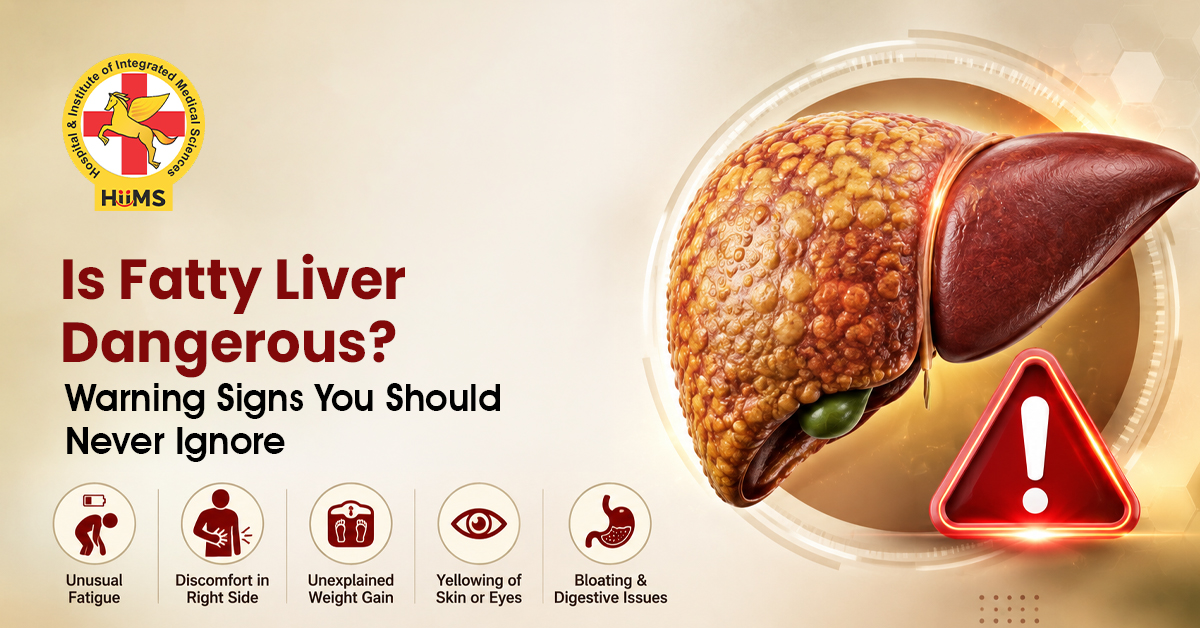
Because the liver works quietly, early signs of fatty liver are often subtle and easily mistaken for daily stress or busy routines. Paying attention to these fatty liver warning signs helps you take action before tissue damage occurs.
- Persistent, Unexplained Fatigue
Feeling tired even after a full night’s sleep is one of the most common early signs. When your liver is overworked and clogged by excess fat it cannot convert food into usable energy efficiently, leaving you feeling constantly drained.
- Heaviness in the Upper Right Abdomen
Many people have a dull ache, tightness or feeling of fullness in the upper right side of the stomach just below your ribcage. This is due to the liver growing in size due to fat accumulation
- Sluggish Digestion and Bloating
A healthy liver produces bile to break down fats during digestion. When fat clogs liver cells, bile production slows down. This leads to frequent bloating, heavy feeling after small meals, gas and mild nausea.
- Skin Changes and Dark Patches
Inulin resistance often goes hand-in-hand with fatty liver. This can cause velvety, dark patches of skin (known as acanthosis nigricans) to appear around the neck, armpits, or groin area.
- Belly Fat Accumulation
Unexplained weight gain especially concentrated around the midsection is a strong indicator of a sluggish liver. When the liver cannot process excess fats and sugars it stores them directly around your abdominal organs
- Advanced Red Flags
Jaundice: Yellowing of the whites of your eyes and skin due to a buildup of bile pigments
- Fluid Swelling: Swelling in the legs, ankles, or abdomen (ascites) caused by poor blood flow through a scarred liver
- Dark Urine & Pale Stools: Changes in bodily waste colours due to disrupted bile flow.
What are the Causes of Fatty Liver
Understanding what drives fat into the liver makes it much easier to prevent and reverse the condition.
- High-Sugar and Refined Carbohydrate Diets: Consuming sweet drinks, white flour, pastries, and processed snacks floods the liver with excess fructose and glucose, which it quickly converts into fat
- Insulin Resistance & High Cholesterol: When body cells stop responding properly to insulin, excess blood sugar and free fatty acids settle directly in the liver
- Sedentary Lifestyle: Sitting for long periods slows down metabolic rate, reducing the body’s ability to burn off stored fat
- Toxin Overload: Regular consumption of alcohol, heavy exposure to environmental chemicals, and long-term use of certain synthetic medications force the liver to store fat as a protective buffer against toxins.
How Jeena Sikho HiiMS Manesar Gurugram Treats Fatty Liver Naturally
Is fatty liver dangerous? When left untreated? Yes but with timely natural intervention, the liver possesses an incredible ability to heal and regenerate itself.
Jeena Sikho HiiMS follows an Ayurvedic approach to treat the root cause of fatty liver. The hospital uses Ayurvedic therapies like Panchakarma detoxification, herbal support and personalised diet to remove excess fat and soothe liver inflammation. Jeena Sikho Hiims Manesar-Gurugram helps patients to regain their natural liver function in a peaceful, medically supervised environment by strengthening digestion and balancing body energies (Doshas).
Conclusion
A fatty liver should never be ignored as a minor issue or an inevitable part of ageing. Catching early warning signs and making targeted improvements to your diet and lifestyle can stop progression in its tracks and fully restore your liver health.
If you or a loved one are dealing with liver issues, visit Jeena Sikho Hiims Manesar-Gurugram for holistic guidance. You can also book a appointment today.

FAQs
Q1. Is fatty liver dangerous if I don’t feel any physical pain?
Ans. Yes, fatty liver is often called a silent condition because significant fat buildup and liver swelling can happen long before sharp pain or severe symptoms ever show up.
Q2. Can fatty liver be completely reversed in early stages?
Ans. Yes. In early stages, adopting a clean diet, removing toxins and staying physically active can completely clear excess fat from liver cells.
Q3. Does fatty liver only affect people who drink alcohol?
Ans. No. Non Alcoholic Fatty Liver Disease affects millions of people who do not drink alcohol at all, caused mainly by high sugar diets, refined carbs and metabolic imbalances.
Q4. Can your liver actually heal itself once fat starts building up?
Ans. Yes, your liver has a unique ability to repair and regenerate damaged cells once you reduce the excess fat, lower toxin buildup, and calm ongoing inflammation.
Q5. What are the earliest noticeable symptoms of fatty liver?
Ans. Constant unexplained tiredness, a heavy feeling in the upper right side of your stomach, and frequent bloating after eating are among the most common early signals.