

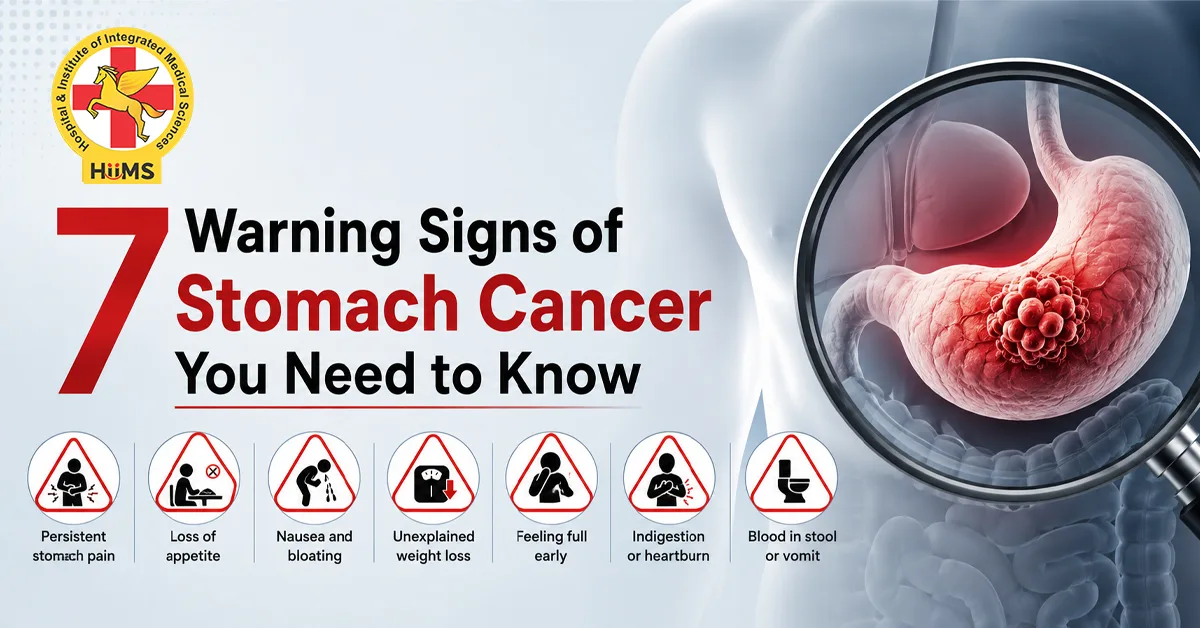
Problems with the stomach are common. At first, indigestion following a large meal, irregular bloating, acidity, or nausea might not seem dangerous. The concern begins when these problems keep returning, become more frequent or appear along with other unexplained changes in the body.
Stomach cancer can sometimes develop without obvious symptoms in its early stages. The symptoms, when they occur, are generally subtle. They resemble ‘normal’ digestive troubles. This makes it easy to overlook them. Unexplained weight loss, persistent upper abdominal discomfort and feeling full after eating only a small amount are among the symptoms that deserve attention.
Knowing the signs of stomach cancer does not mean that every digestive problem is cancer. Most of these symptoms can have other causes. However, symptoms that persist or become worse should be properly evaluated.
What Is Stomach Cancer?
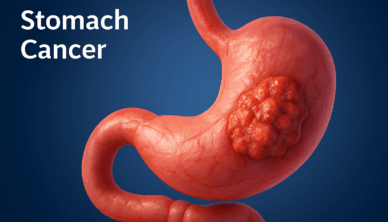
Stomach cancer, also called gastric cancer, begins when abnormal cells in the stomach grow and multiply uncontrollably. It can develop in different parts of the stomach and may progress slowly.
One challenge is that stomach cancer does not always cause noticeable symptoms in the beginning. When symptoms appear, they may include indigestion, abdominal discomfort, bloating, nausea, appetite changes or unexplained weight loss.
That is why one should be conscious of alterations in one’s regular routine of digestion.
7 Warning Signs of Stomach Cancer
1. Unexplained Weight Loss
Losing a lot of weight without changing your diet or daily habits, or increasing the amount of exercise you do, is one of the causes for concern. You may experience hunger or fullness more quickly and be unable to eat a normal diet.
Although being an involuntary loss of weight is not the sign of cancer, it should not be dismissed with the accompanying stomach cancer symptoms.
2. Persistent Indigestion or Heartburn
Almost everyone experiences indigestion occasionally. However, recurring indigestion, heartburn, acidity or a burning sensation that does not settle deserves attention.
Some people may also notice discomfort after meals or a persistent heavy feeling in the upper stomach. These symptoms are common and can have many causes, but ongoing digestive changes should be discussed with a healthcare professional.
3. Feeling Full After Eating Very Little
Have you started feeling completely full after only a few bites?
This is known as early satiety. A person may eat much less than usual and still feel uncomfortably full. If this happens repeatedly, it can affect food intake and may eventually contribute to weight loss.
Early fullness is one of the early warning signs of stomach cancer, although it can also occur with several non-cancerous digestive conditions.
4. Persistent Abdominal Pain or Discomfort
If suffering from stomach cancer symptoms, you may experience pain or discomfort in the stomach. Known as an unsharp pain in the stomach wall.
The pain of digestive acidity can also be mild. At times it can be like a sense of fullness or heaviness or bloating or dull ache in the stomach which can come and go. Repeated episodes of abdominal discomfort need to be evaluated and not merely treated like regular acidity.
5. Loss of Appetite
Loss of appetite Also feel less hungry.
You might miss a meal, stop enjoying the foods you usually like to eat or feel full after eating just a few bites. Loss of appetite is common and can be due to illnesses such as infections, digestive conditions, stress, or other diseases and conditions and cannot determine stomach cancer on its own.
6. Nausea and Vomiting
Having nausea once or twice. But vomitting or nausea that happens a number of times and repeatedly after eating.
Occasionally, vomit contains blood. If blood is present in vomit it will look pink or resemble coffee grounds and should be evaluated by a doctor.
7. Extreme Tiredness or Blood in Stool
Anaemia – feeling unusually weak or tired Anaemia can happen if stomach cancer causes bleeding in the digestive system. This can reduce the number of red blood cells you have in your body.
Black, dark or tarry stool is also a warning sign and could signify bleeding in the upper part of the digestive tract. Never ignore blood in your stool or vomit.
Why Are Stomach Cancer Symptoms Easy to Miss?
One reason signs of stomach cancer can be overlooked is that they often resemble everyday digestive complaints.
Bloating may be blamed on food. Heartburn may be considered acidity. Loss of appetite may be linked to stress, while weight loss may initially seem like a positive change.
The important factor is the pattern and persistence of symptoms. Your doctor needs to know If a digestive problem persists, gets worse or doesn’t respond to treatment, be sure to consult your doctor. The American Cancer Society says symptoms like these are usually due to conditions other than stomach cancer. Still, doctor consultation is recommended if symptoms continue or get worse.
When Should You See a Doctor?
Consider getting evaluated if you experience:
- Persistent indigestion or heartburn
- Repeated upper abdominal discomfort
- Satiety sensation of fullness after minimal consumption
- Unexplained weight loss
- Ongoing loss of appetite
- Recurrent nausea or vomiting
- Persistent bloating
- Black or tarry stools
- Vomiting blood
- Unusual weakness or fatigue
- Difficulty swallowing
These signs and symptoms are not necessarily indications of stomach cancer. They are symptoms of other digestive problems like ulcers, gastritis, reflux, etc.

How Is Stomach Cancer Diagnosed?
Depending on the reasons for the suspicion and the previous health of the patient, diagnostic tests may vary.
An Upper Endoscopy A tiny camera inserted into your stomach can view the stomach area. Imaging and laboratory tests may help define the condition and decide if the cancer is occurring.
Getting the right diagnosis is important before deciding on any treatment for stomach cancer.
Can Ayurveda Support Stomach Cancer Care?
Ayurveda concerns one’s own health, digestion, diet and life. Jeena Sikho HiiMS Manesar-Gurugram’s way of helping people with stomach-related health problems is by providing you an individual Ayurvedic counselling as per your condition, diet, lifestyle and the requirement of the condition.
You may also receive support with an appropriate Ayurvedic diet, lifestyle management, herbal preparations and the needed Ayurvedic treatments professionally.
However, Ayurveda should not be presented as a guaranteed cure for cancer. Anyone diagnosed with stomach cancer should work with their qualified cancer care team and discuss any Ayurvedic herbs or therapies before adding them to their care plan.
Experiencing persistent digestive symptoms or unexplained changes in your health? Consult the care team at Jeena Sikho HiiMS Manesar-Gurugram for personalised guidance on your condition, diet and supportive wellness care.
Conclusion
The signs of stomach cancer can sometimes look like ordinary digestive problems, which is why they are easy to overlook. Persistent indigestion, abdominal discomfort, early fullness, appetite loss, nausea, unexplained weight loss and unusual fatigue deserve attention when they continue or worsen.
Not all of the conditions require to be cancer, however, leaving on your long-standing changes could postpone detecting a real reason behind those changes. However, if you are facing continuous digestive issues, then Jeena Sikho HiiMS Manesar-Gurugram would assist you with specific Ayurvedic lifestyle advice together with an necessary evaluation of these issues.

FAQs
Q1. What are the warning symptoms of stomach cancer?
Ans. Early warning symptoms of stomach cancer often include long-standing indigestion, upper abdominal discomfort, early satiety, loss of appetite, nausea and bloating and unexplained weight loss.
Q2. Can indigestion be a symptom of stomach cancer?
Ans. Indigestion and heartburn, while common in stomach cancer, are much more commonly caused by other digestive problems. However, if your symptoms are prolonged and there’s an apparent deterioration, they should be investigated rather than being treated by you.
Q3. If I’m losing weight without trying, is it due to cancer?
Ans. No. There can be many reasons why you’re losing weight without any diet or lifestyle changes, but when accompanied by ongoing digestive system symptoms, it needs to be discussed.
Q4. What is meant by ‘early satiety’?
Ans. Feeling heavier after consuming far less food than would normally be anticipated at a meal is ‘early satiety’. This symptom of possible stomach cancer can also occur for reasons quite unrelated to digestive conditions or stomach cancer in particular.
Q5. Can Ayurveda help for stomach cancer treatment?
Ans. Ayurvedic treatments may offer holistic care on various levels, relating to diet, lifestyle and overall well-being, and should be tailored and agreed upon with your cancer care provider as an additional service, rather than a replacement.
Disclaimer: The information provided on this blog is for general educational and informational purposes only. It is not intended to replace professional medical advice, diagnosis, or treatment. Always consult a qualified healthcare professional before making any changes to your diet, lifestyle, or treatment plan. Individual results may vary.